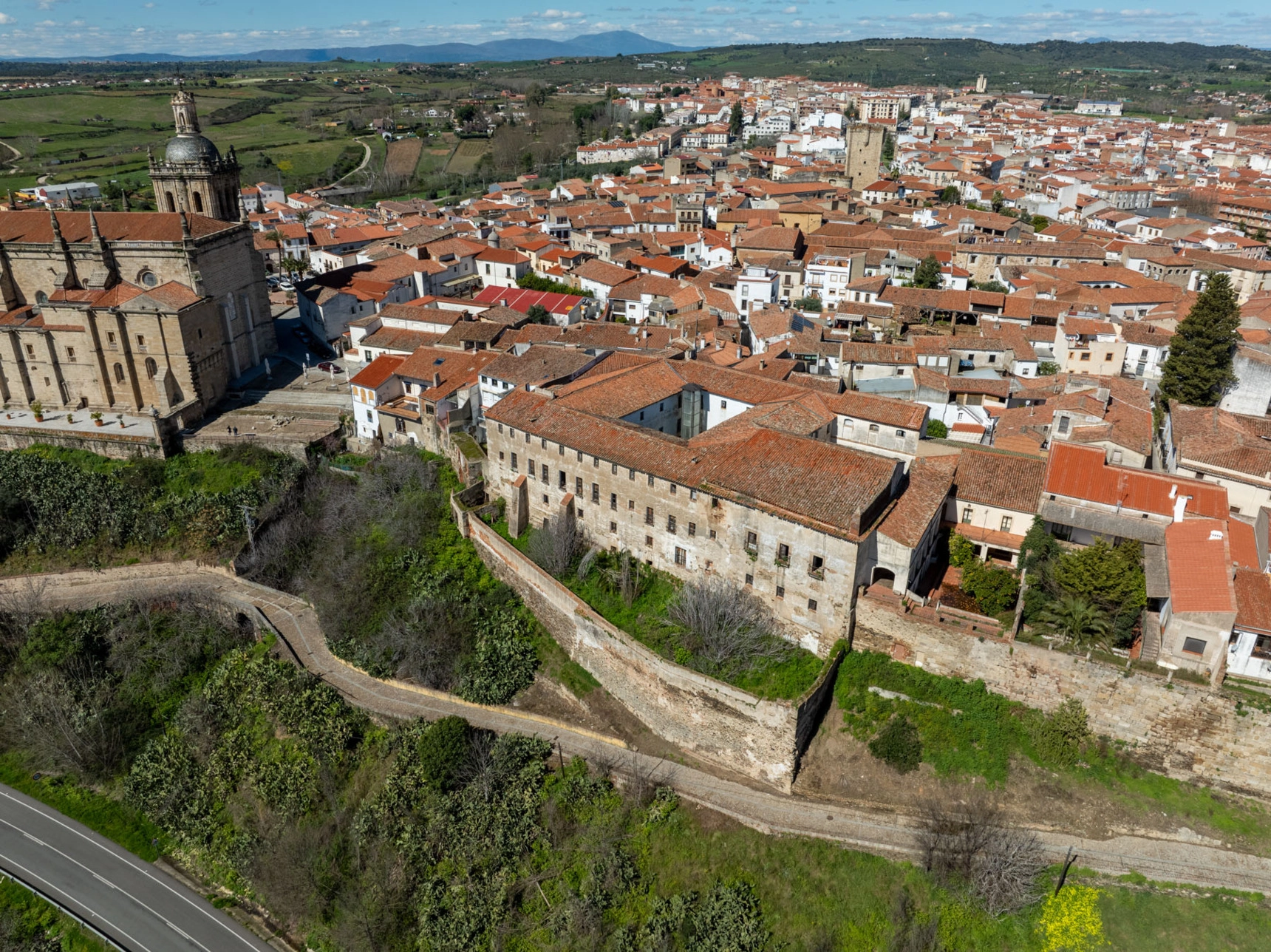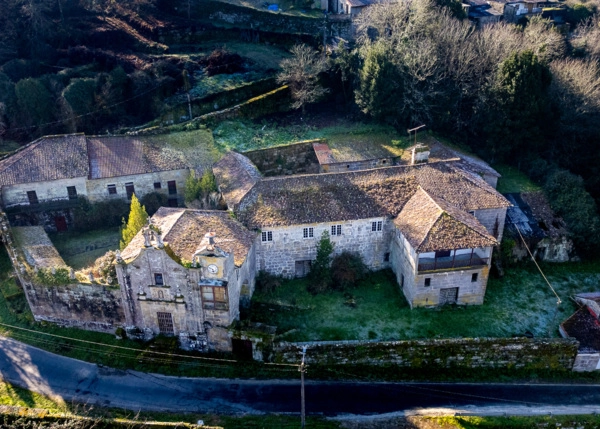
A silent witness to almost four centuries of history in the monumental heart of Coria, this former seminary offers 3,430 m² of built space including a Baroque chapel, porticoed cloister and spacious rooms that retain their original character. An exceptional architectural legacy with great potential, in a privileged location next to the cathedral.





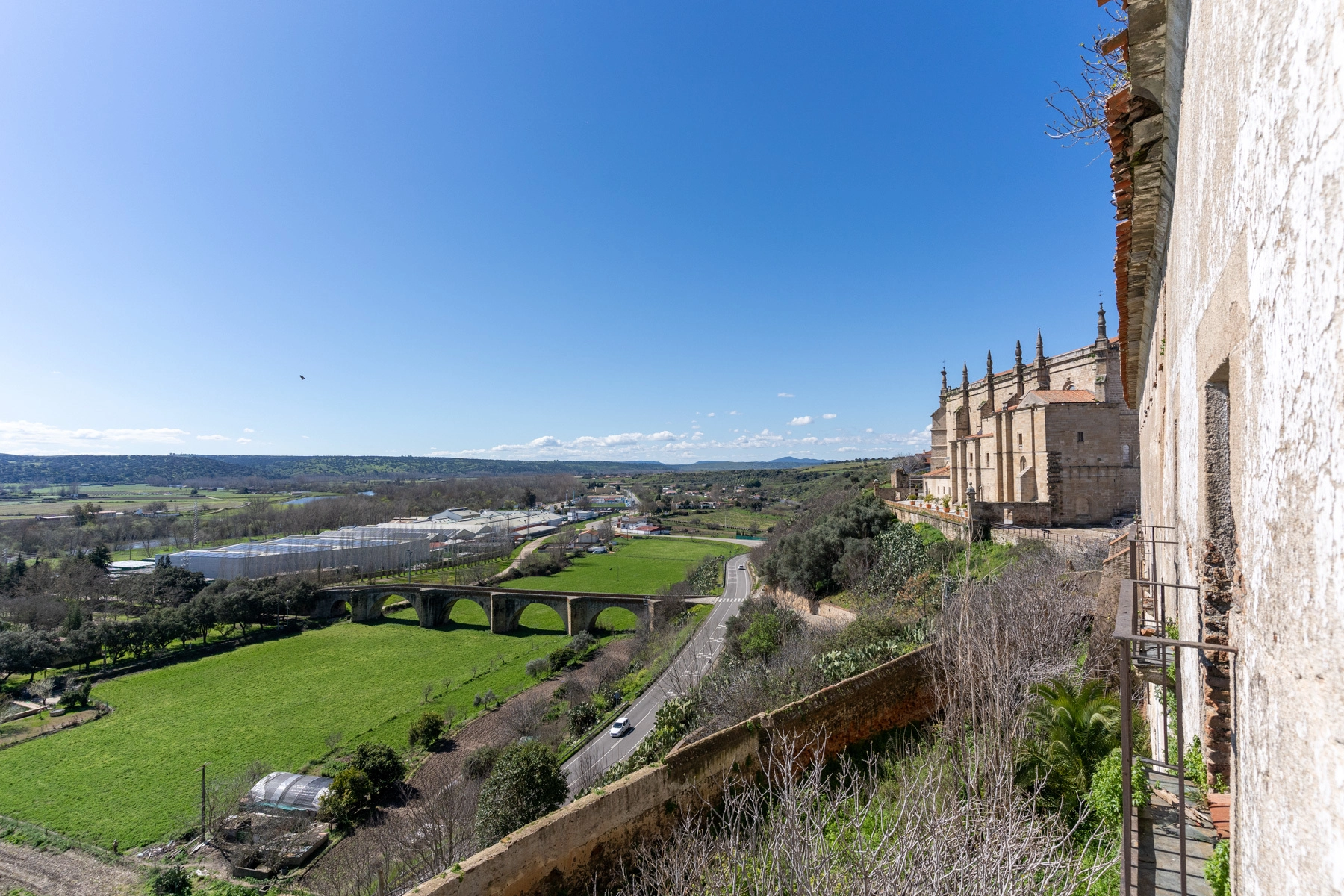
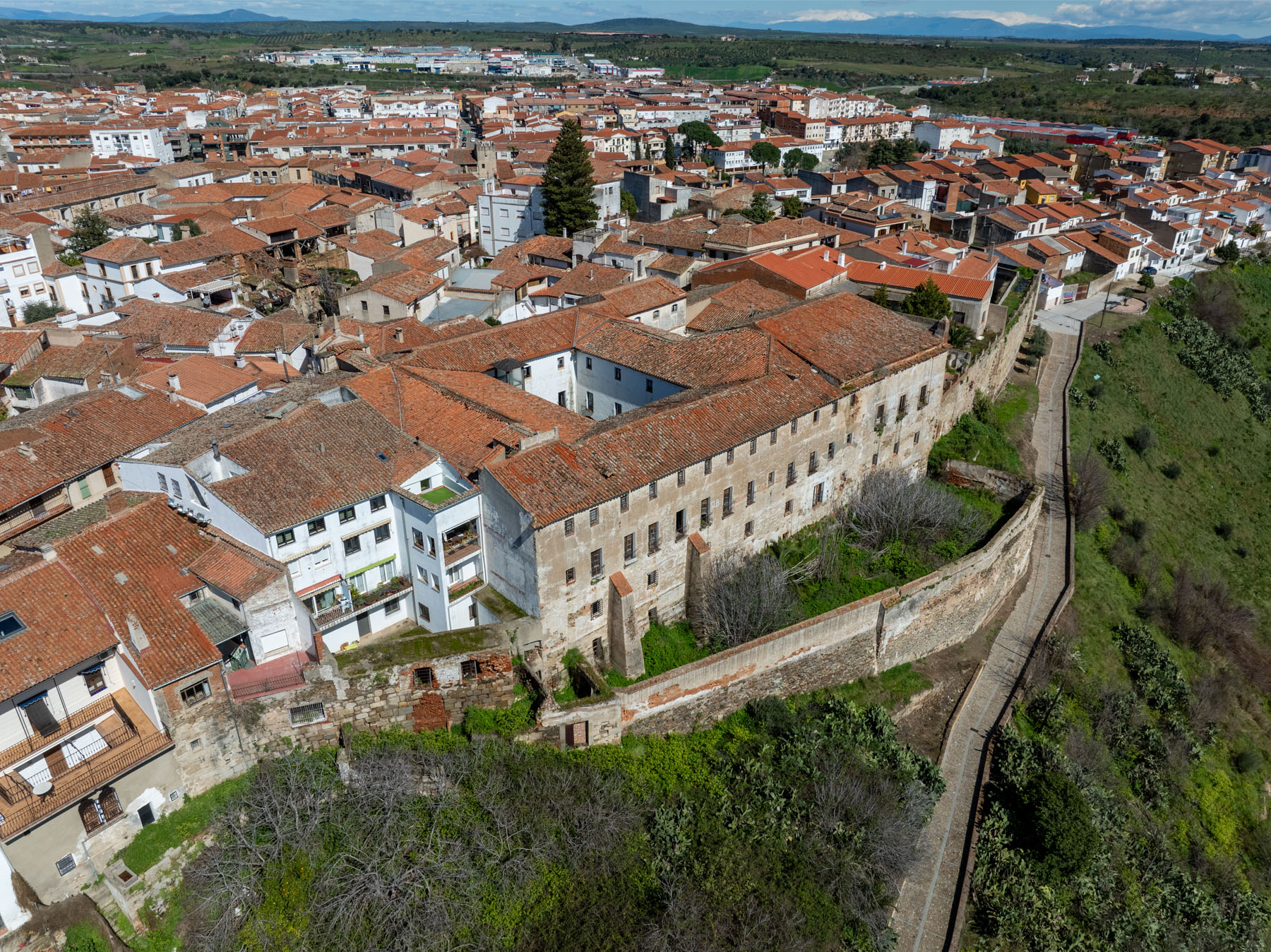
This emblematic building is located in the historic centre of Coria, next to the Cathedral of Santa María de la Asunción and the Episcopal Palace. Situated in an area of high monumental and tourist interest, the complex stands in one of the oldest cities in Extremadura, declared a Site of Cultural Interest with the category of Historic Complex.
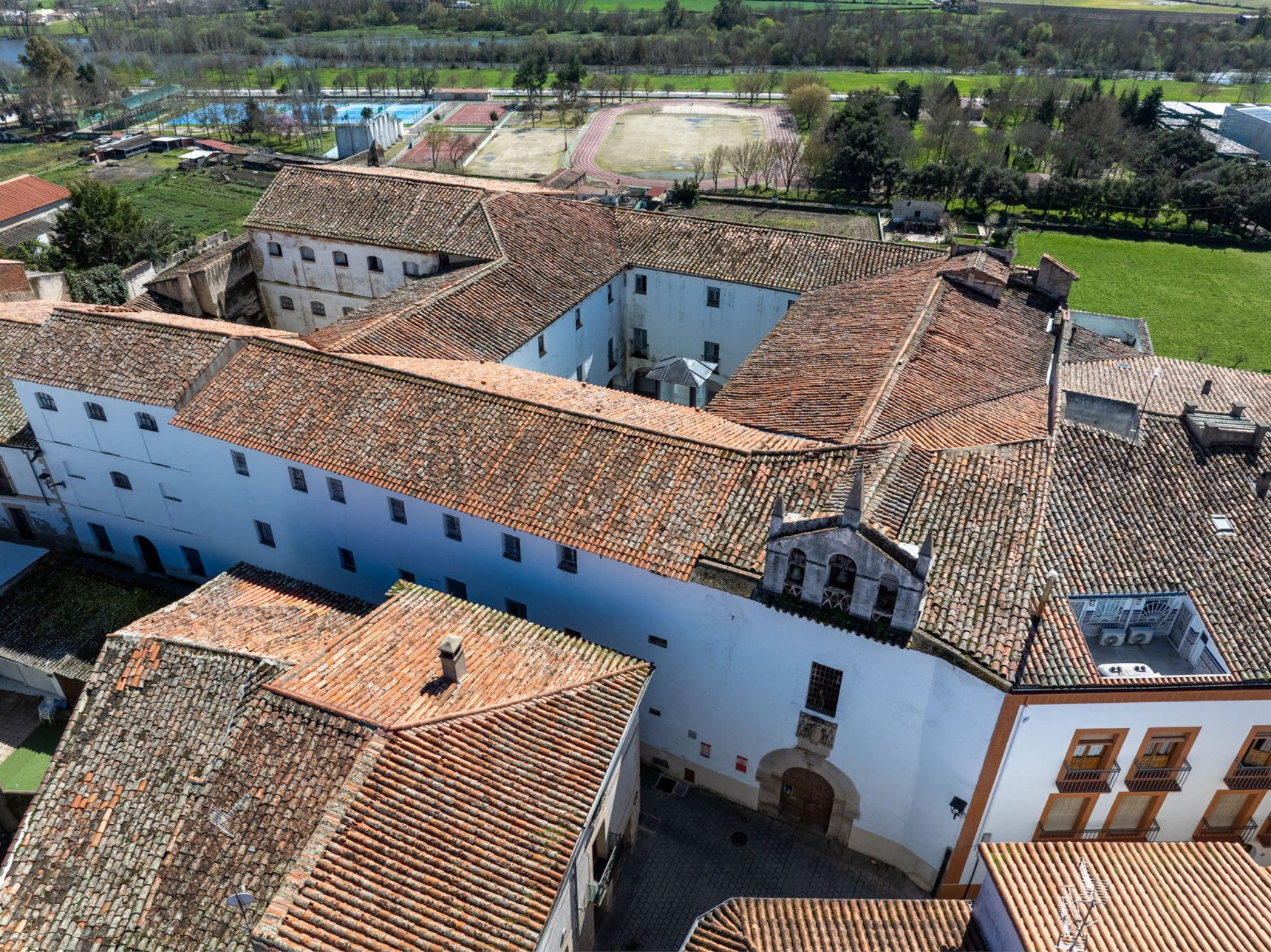
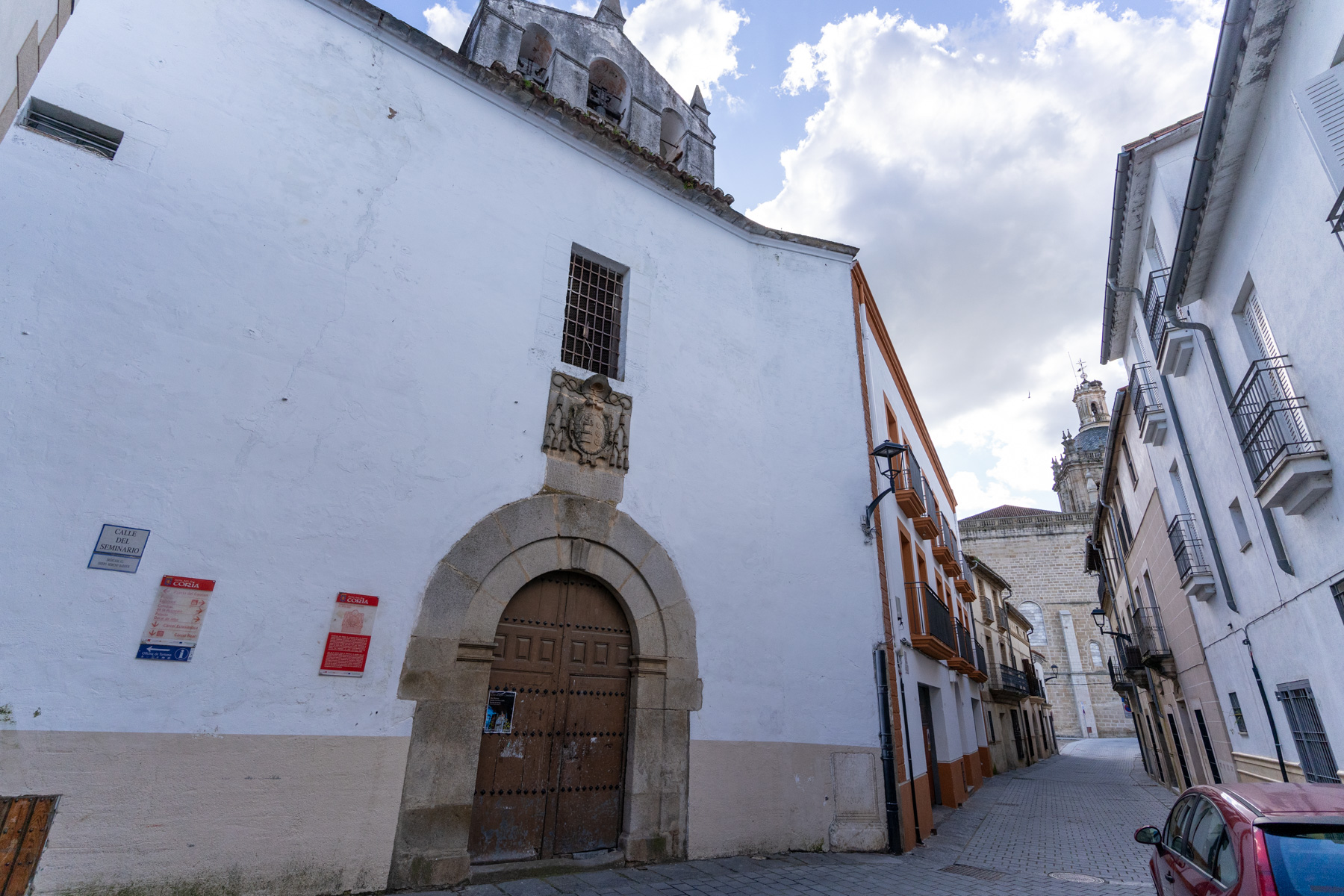
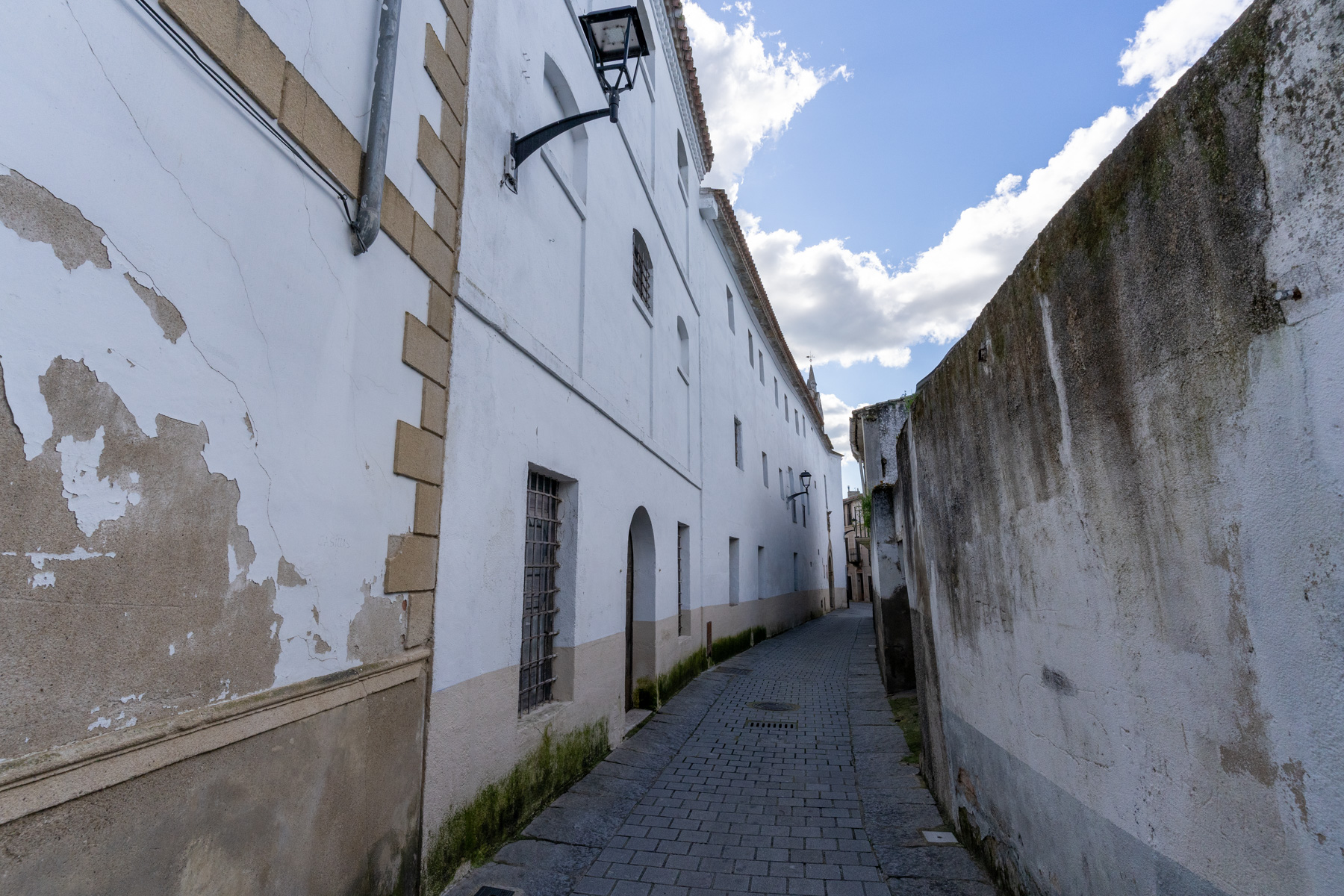
The so-called 'Old' Seminary was founded in 1630 by Bishop D. Jerónimo Ruiz de Camargo as a residence for clerical training, as revealed by the inscription and the prelate's coat of arms carved in stone, present on the façade of the main entrance to the building. Reformed from 1819 following the transfer of the Seminary College to the city, it was expanded in successive years until its definitive remodelling undertaken between 1830 and 1845 by the illustrious Prelate Don Blas Jacobo Beltrán.
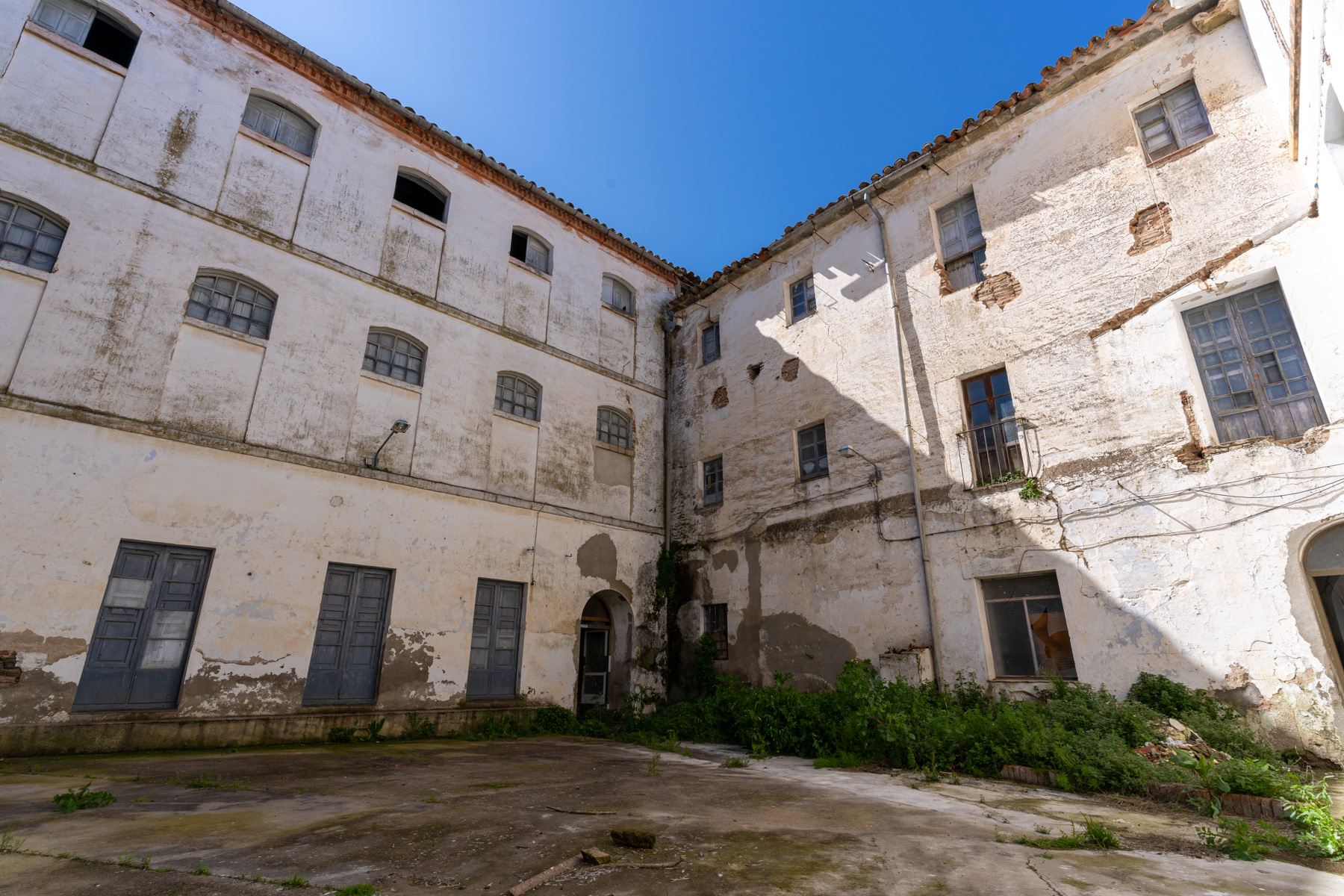
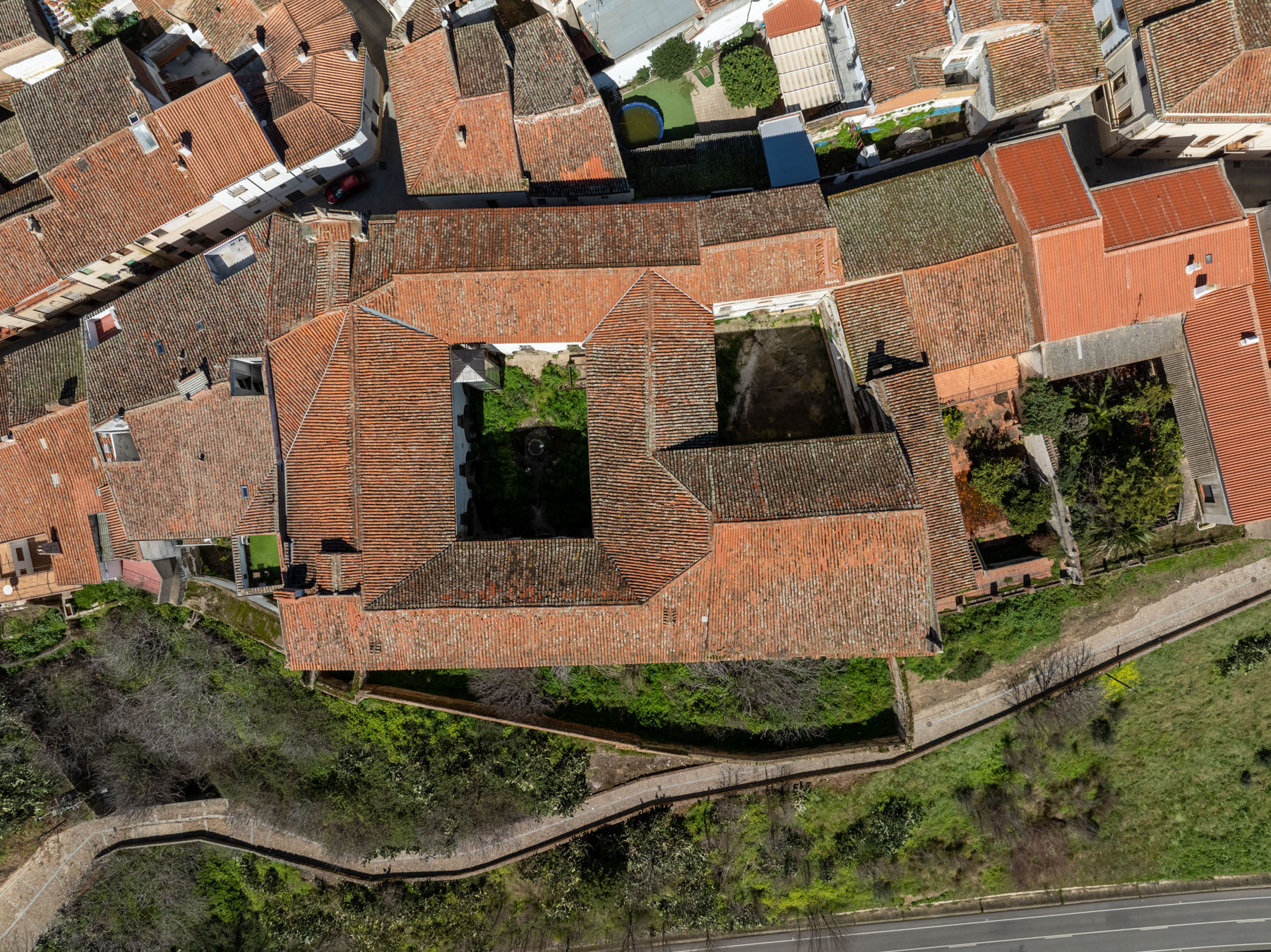
With 3,430 m² of built space on a plot area of 2,167 m², this architectural complex represents an exceptional testimony to Extremaduran clerical architecture, preserving unique elements that speak of its historical function as a training residence for seminarians.
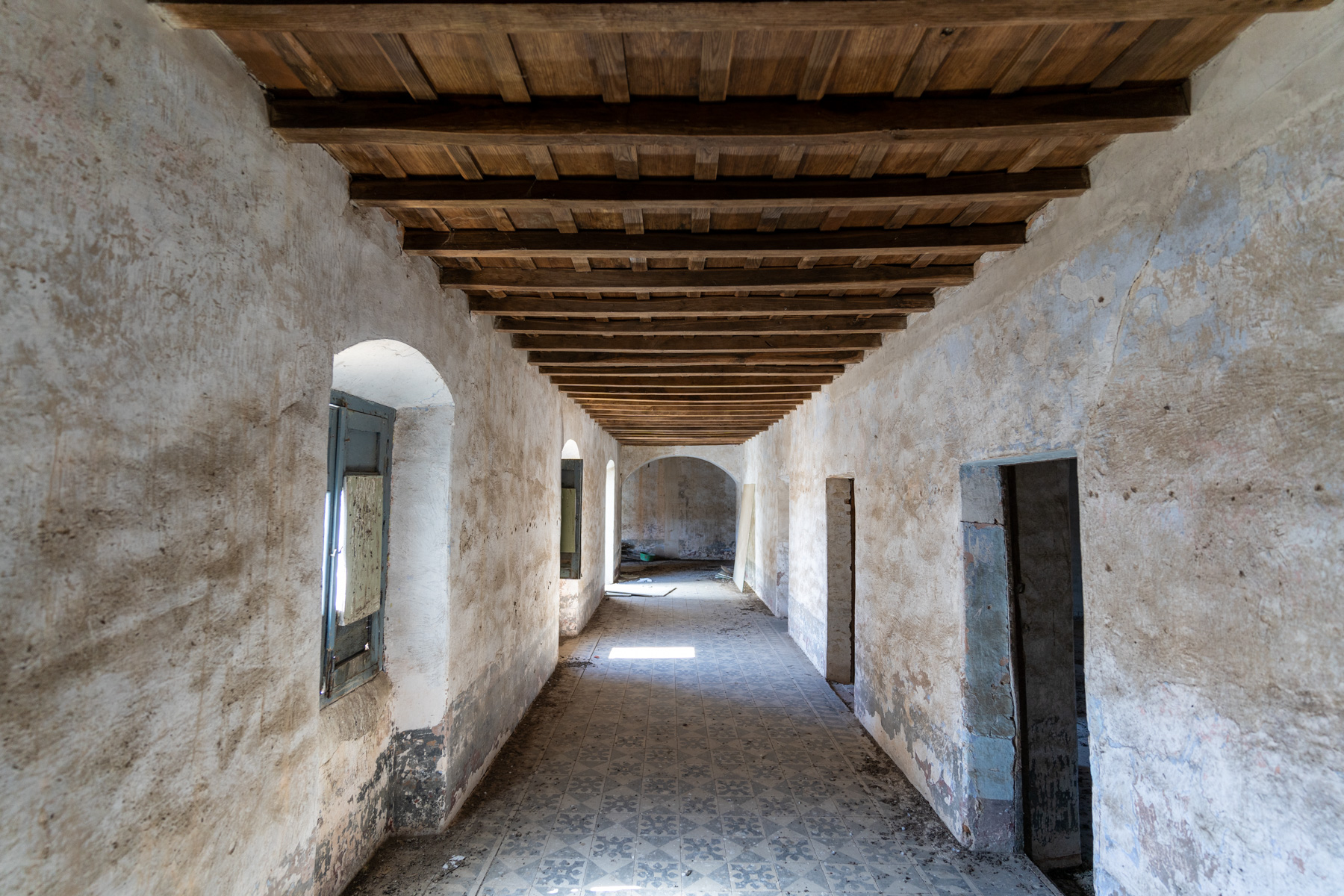
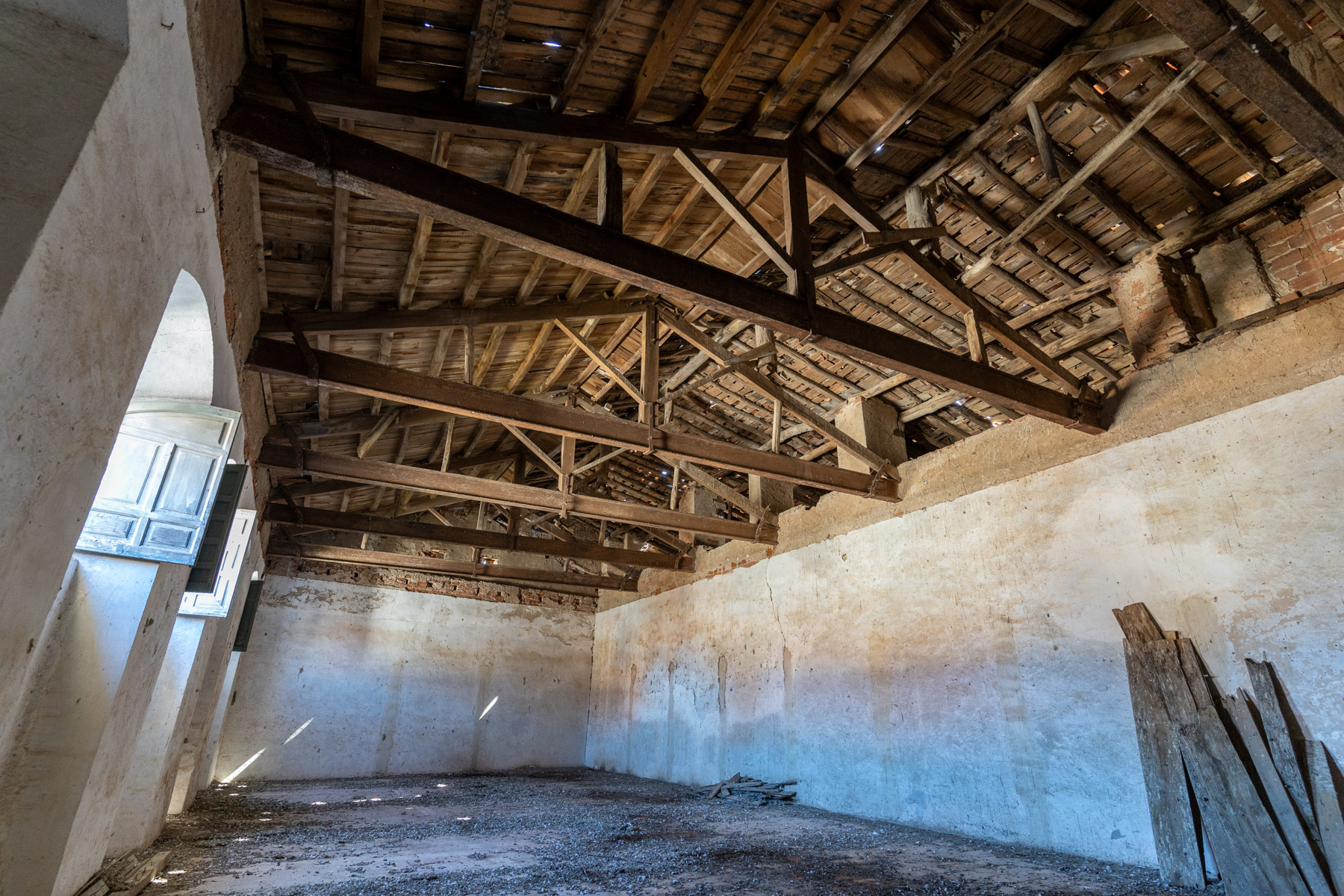
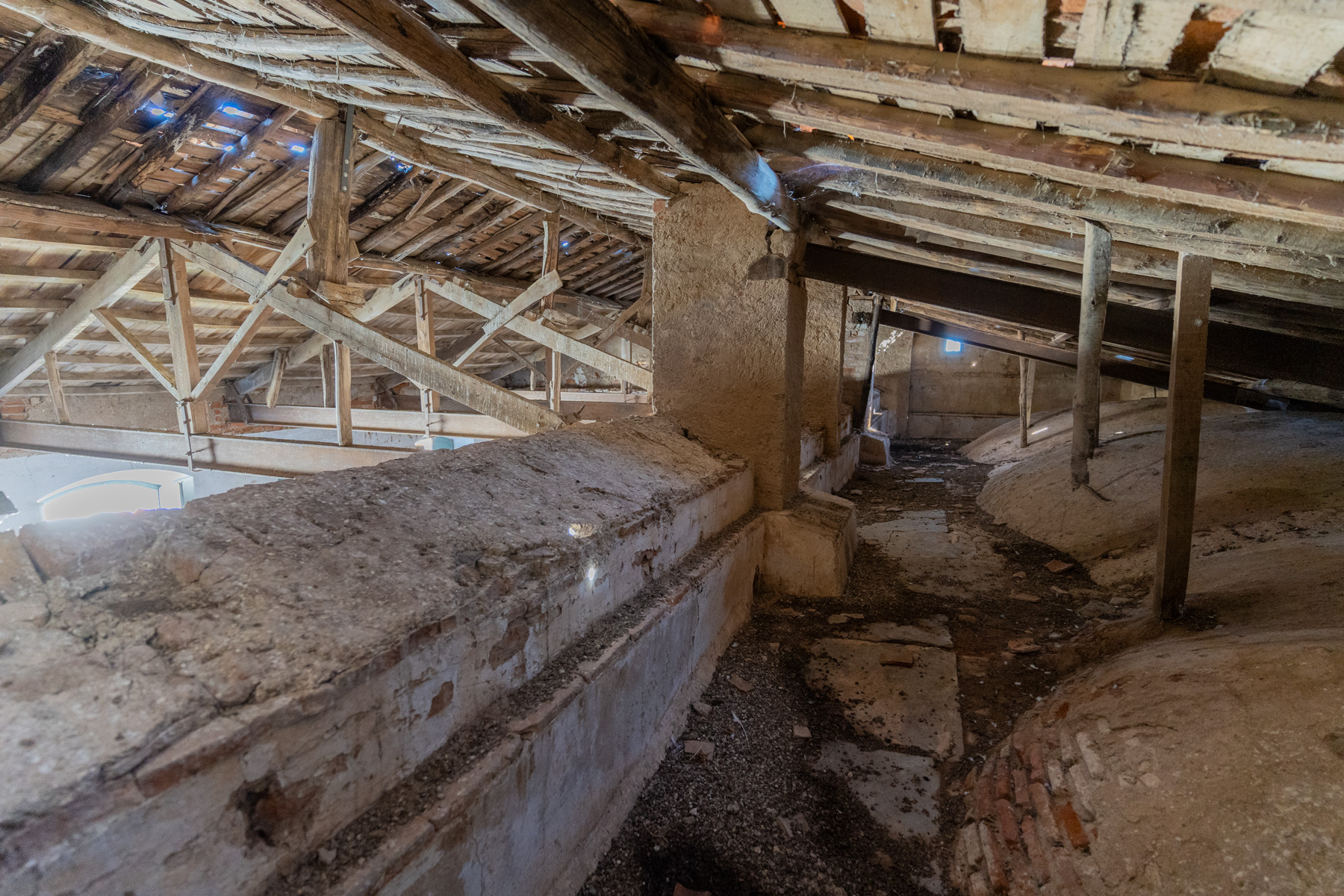
The building retains the original layout and architectural elements that configured its educational and religious function. With three storeys and a solid structure of whitewashed walls, windows with semicircular arches and Arabic tile roofs, the complex represents a notable example of 17th-century Extremaduran institutional architecture.
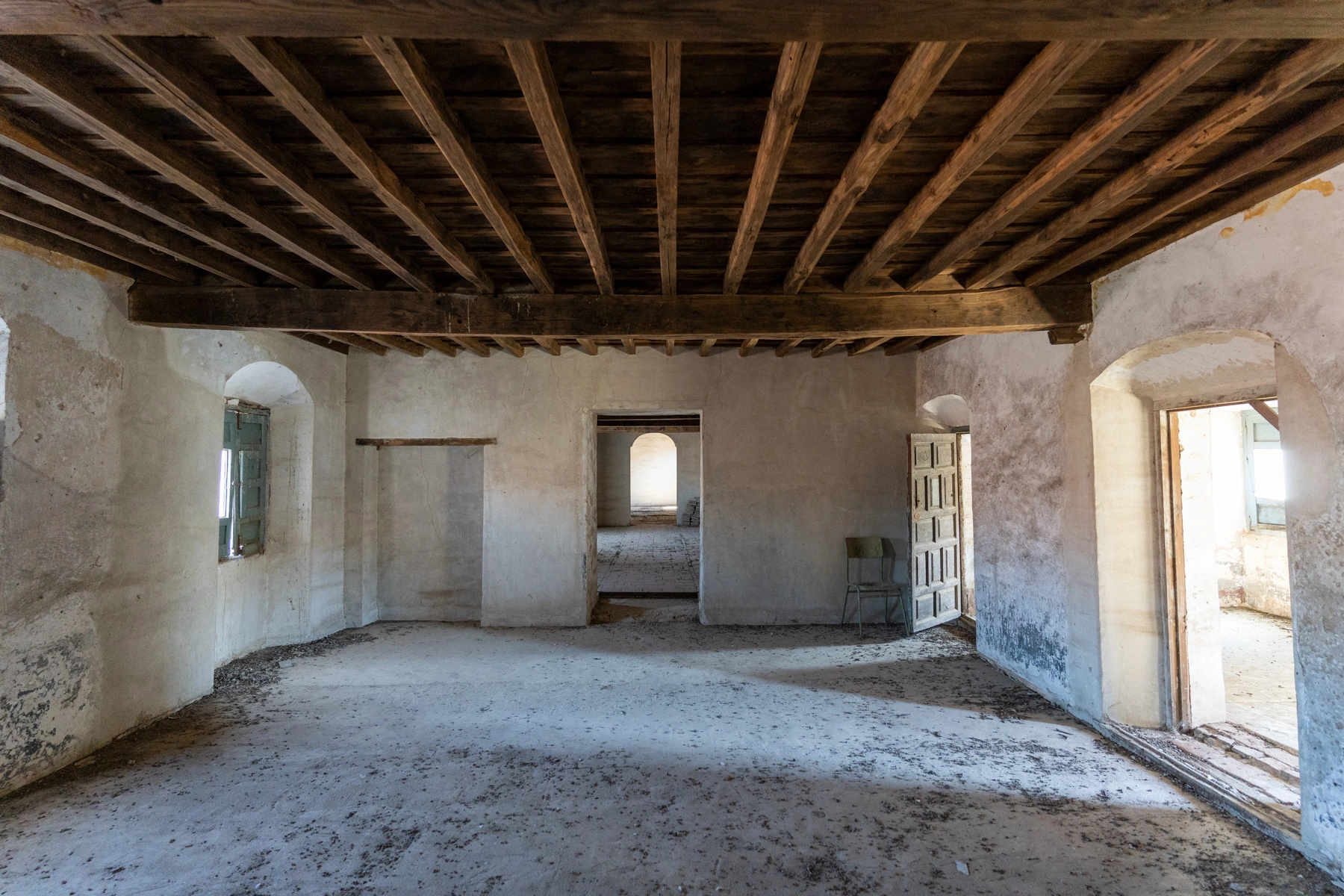
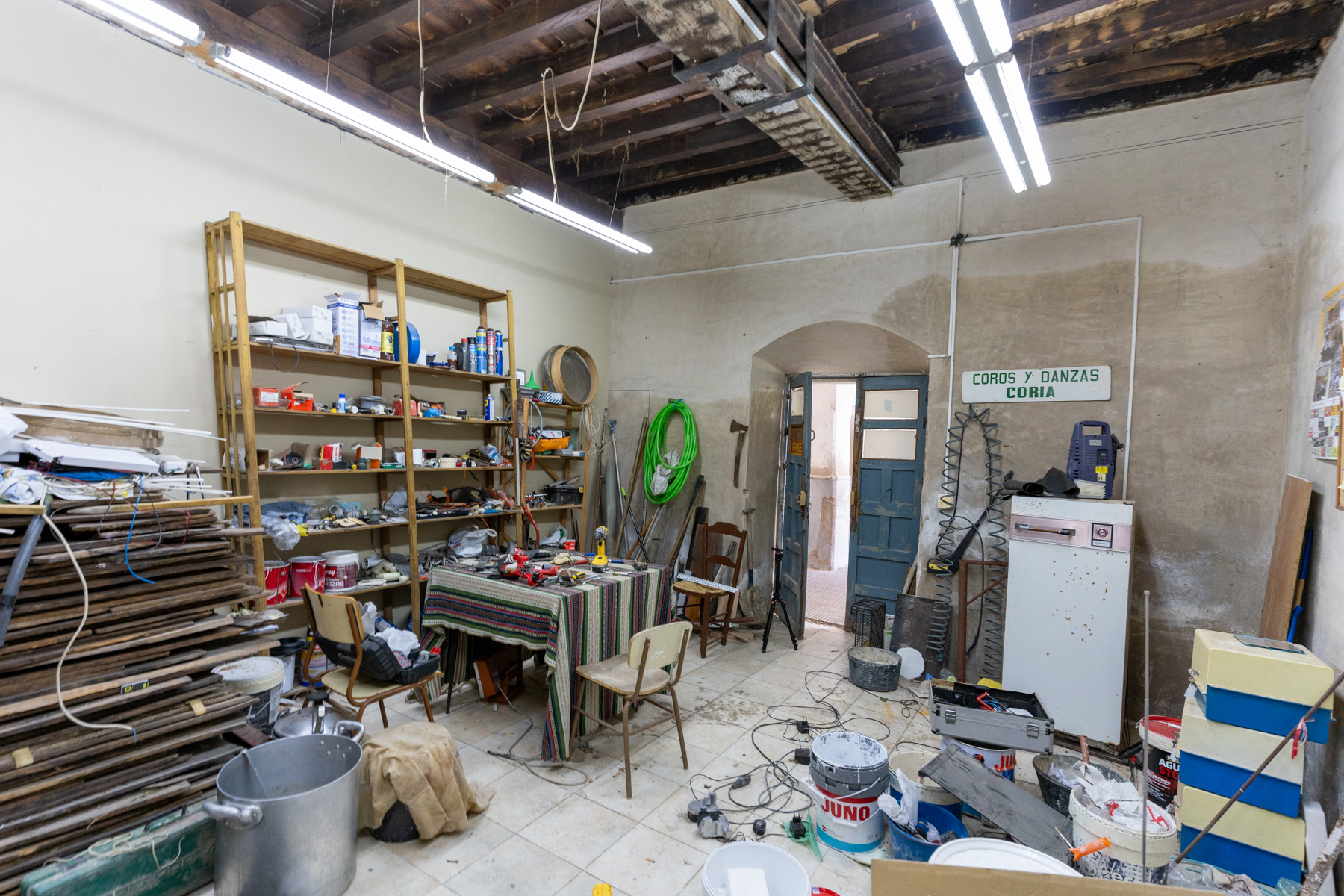
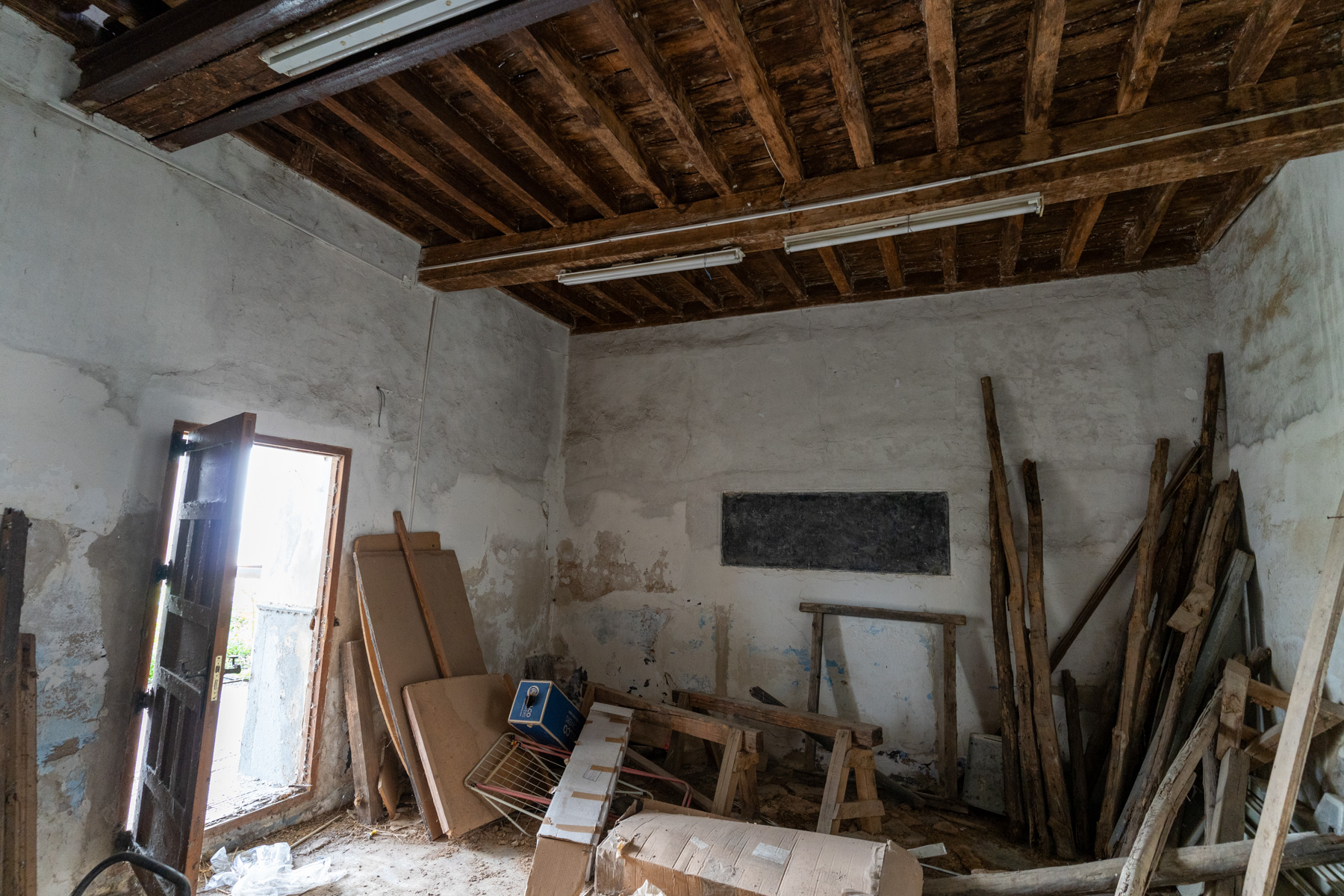
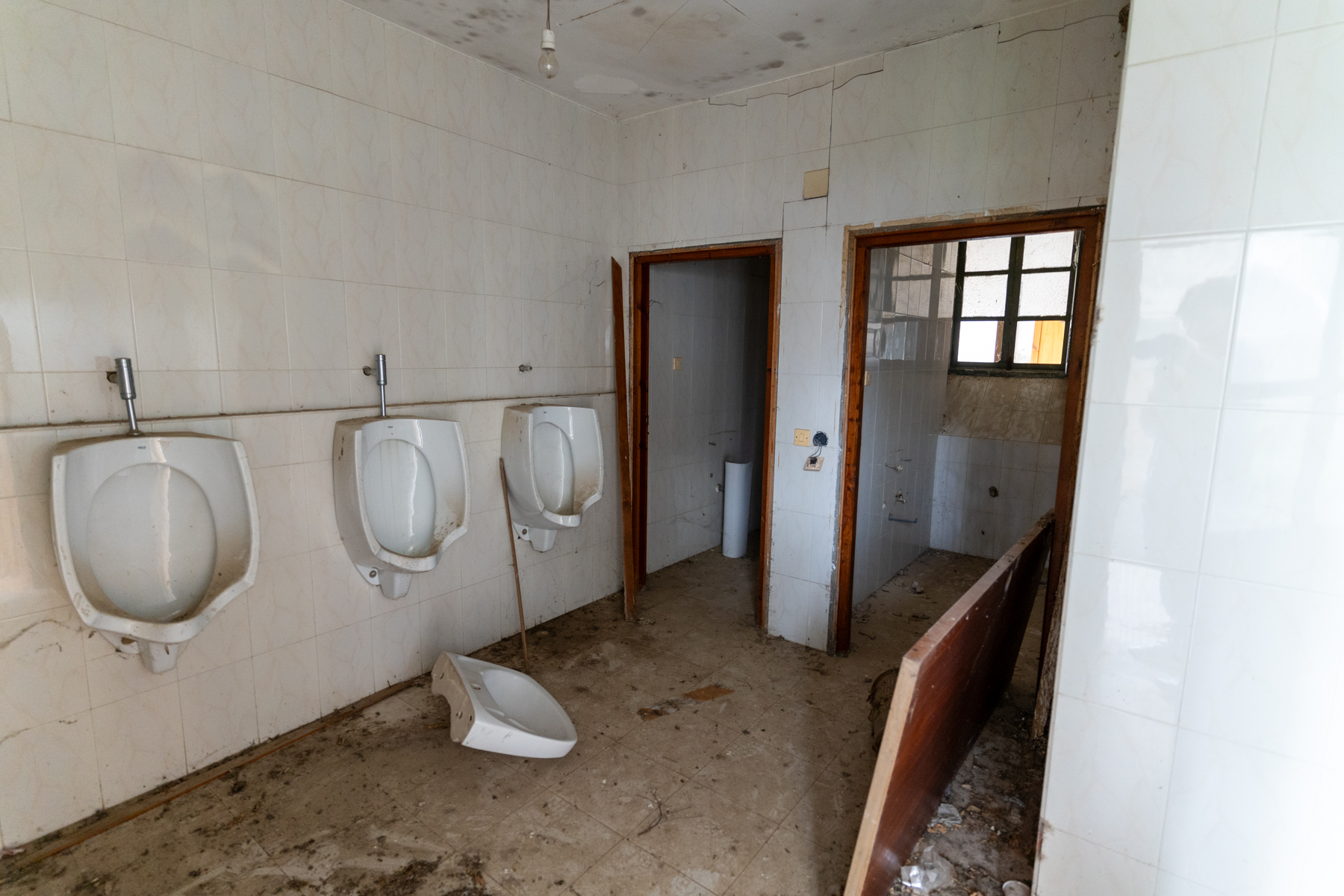
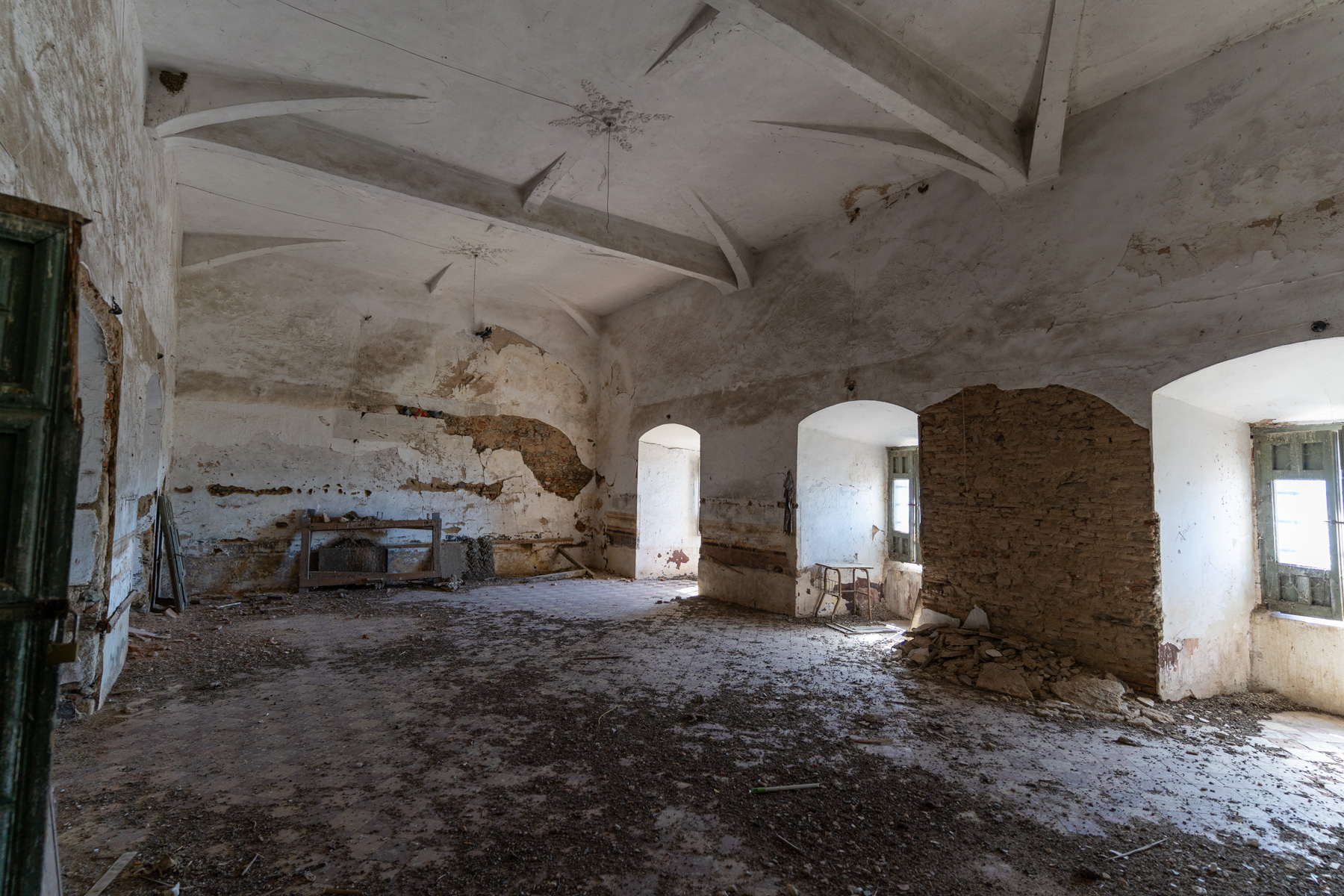
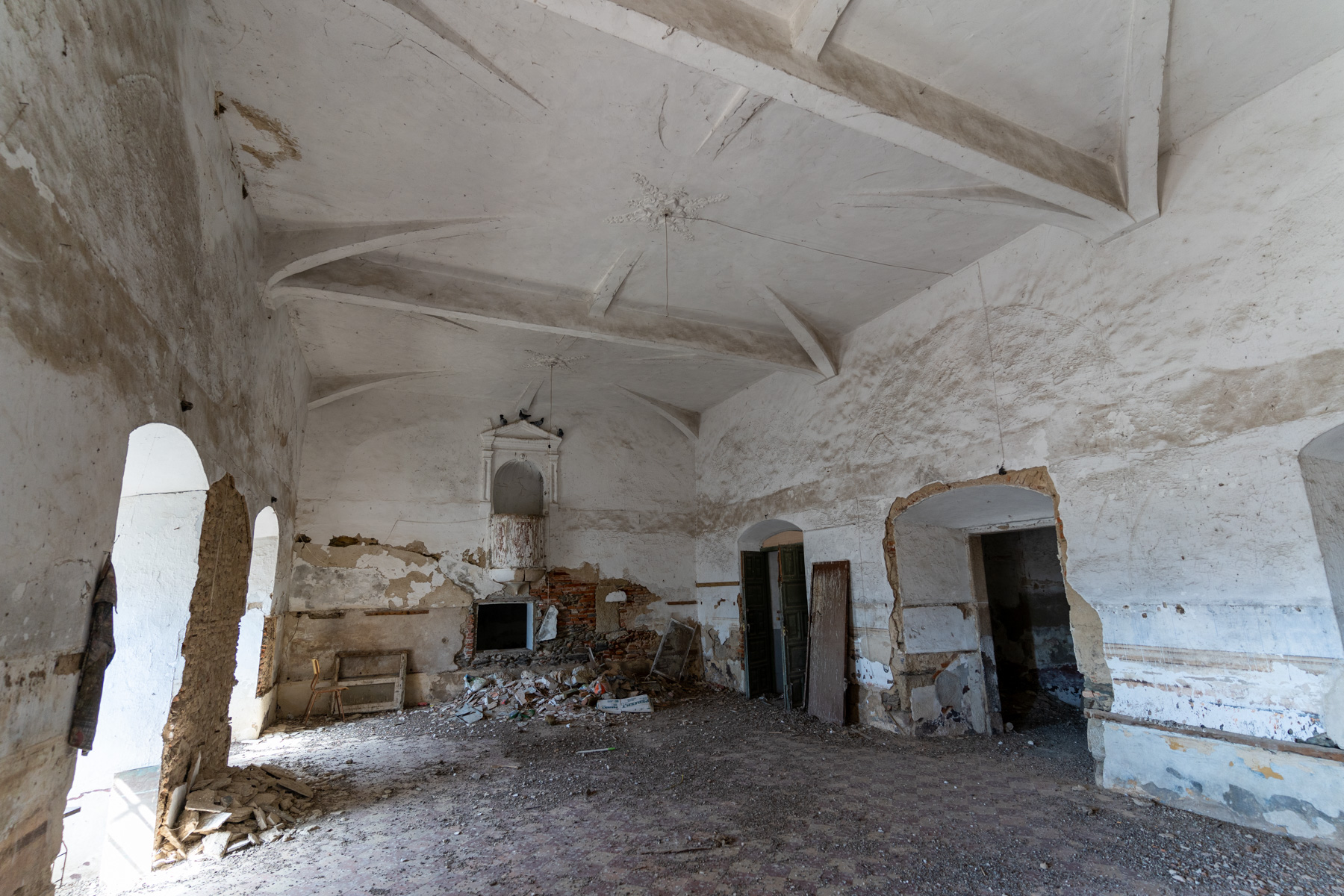
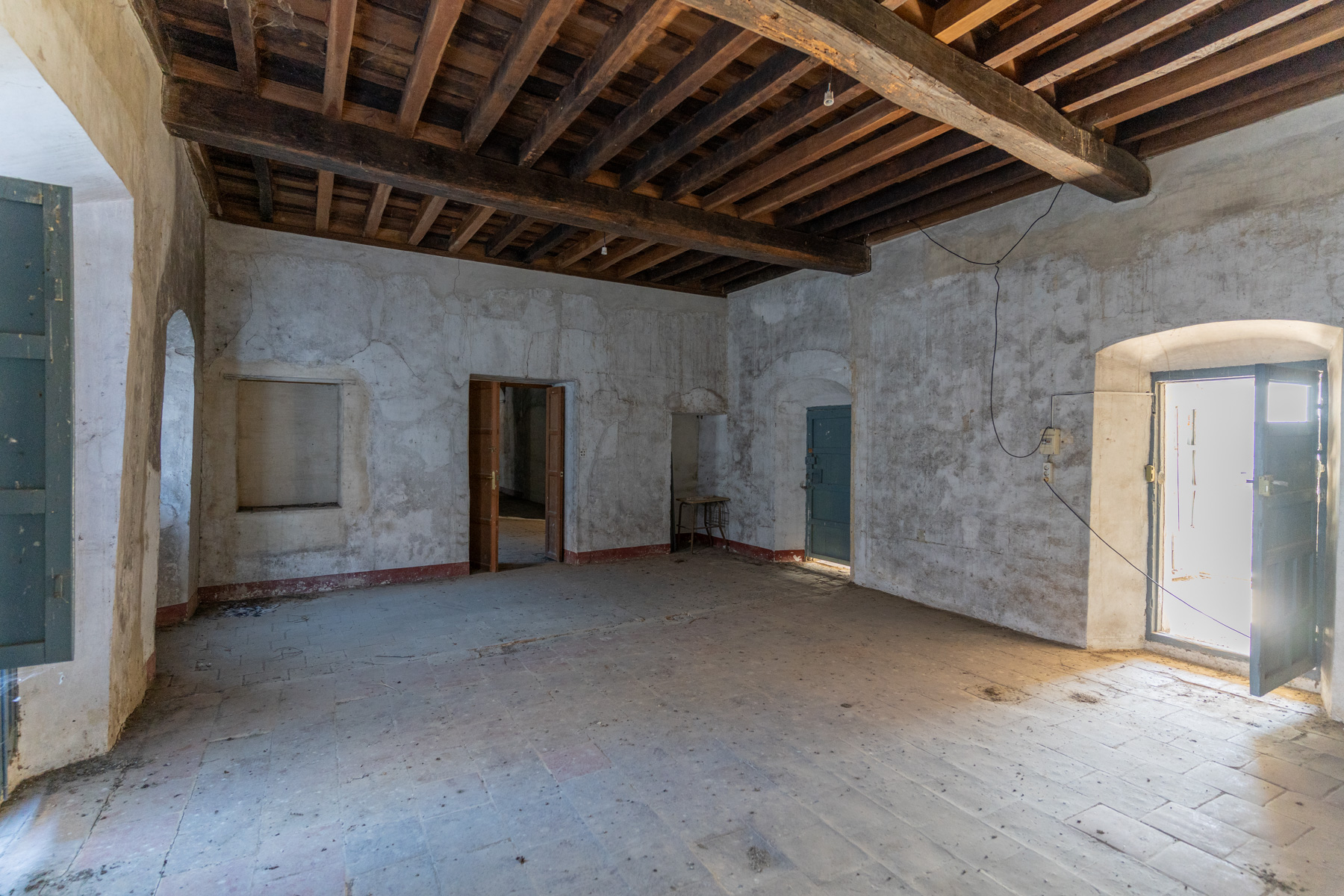
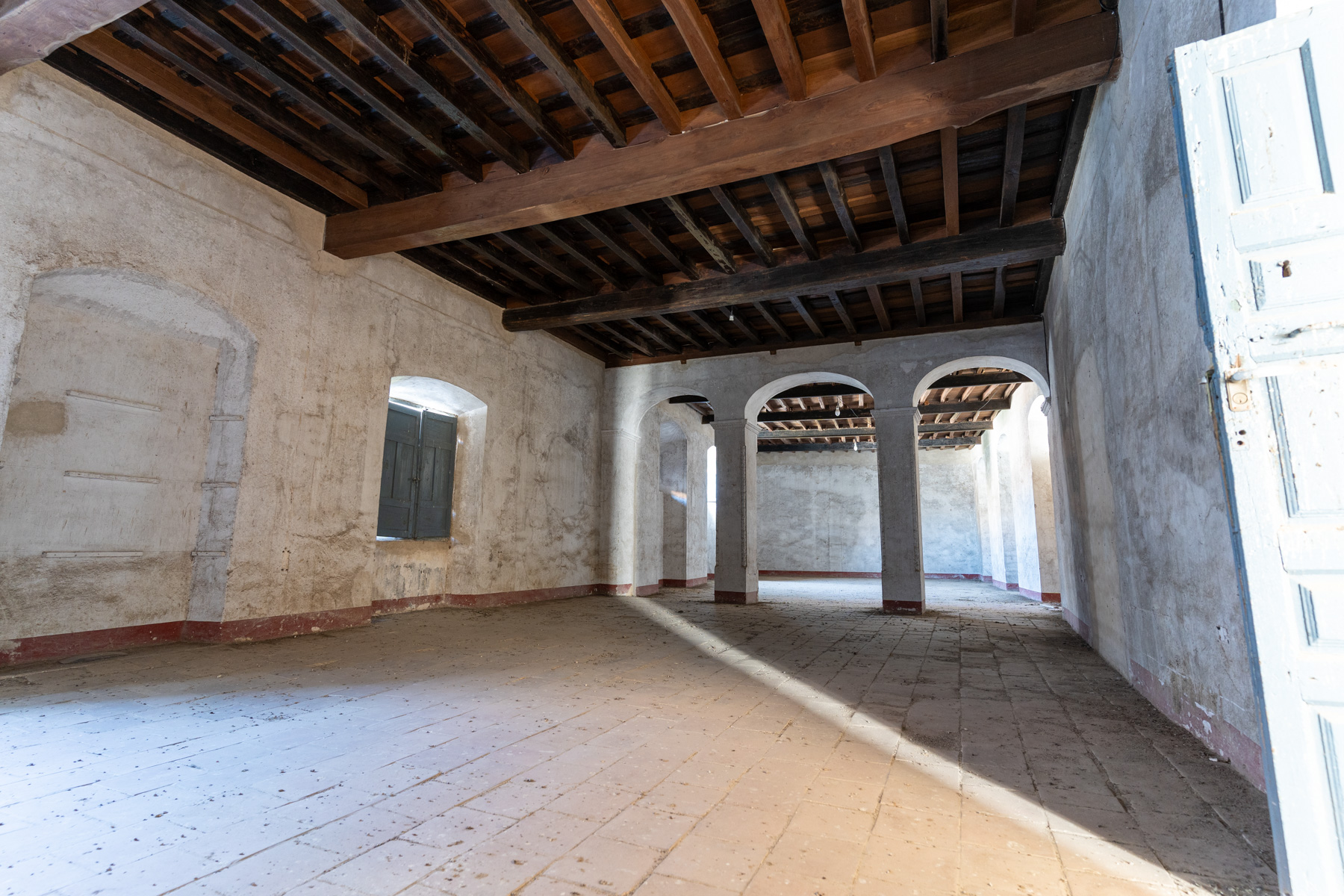
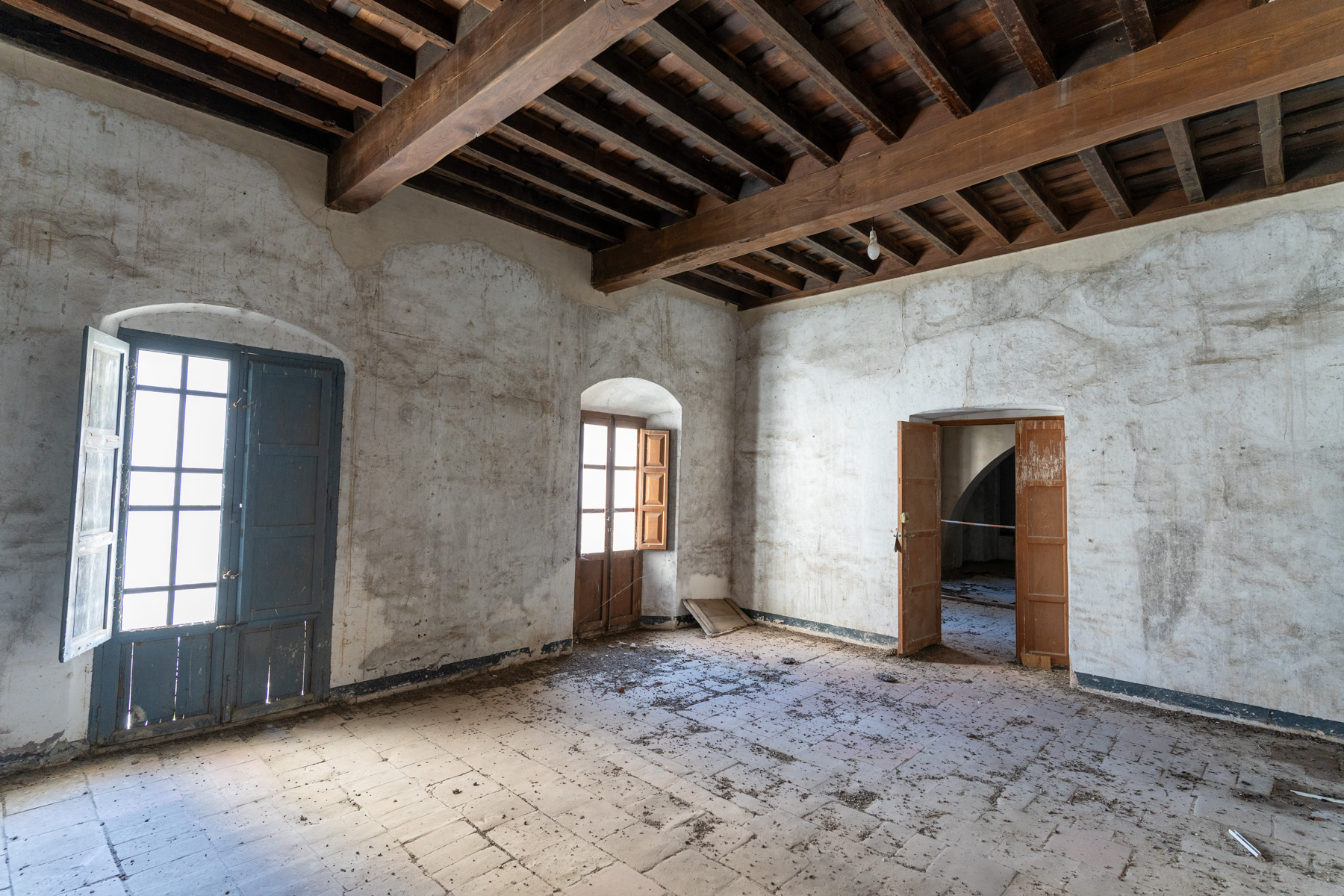
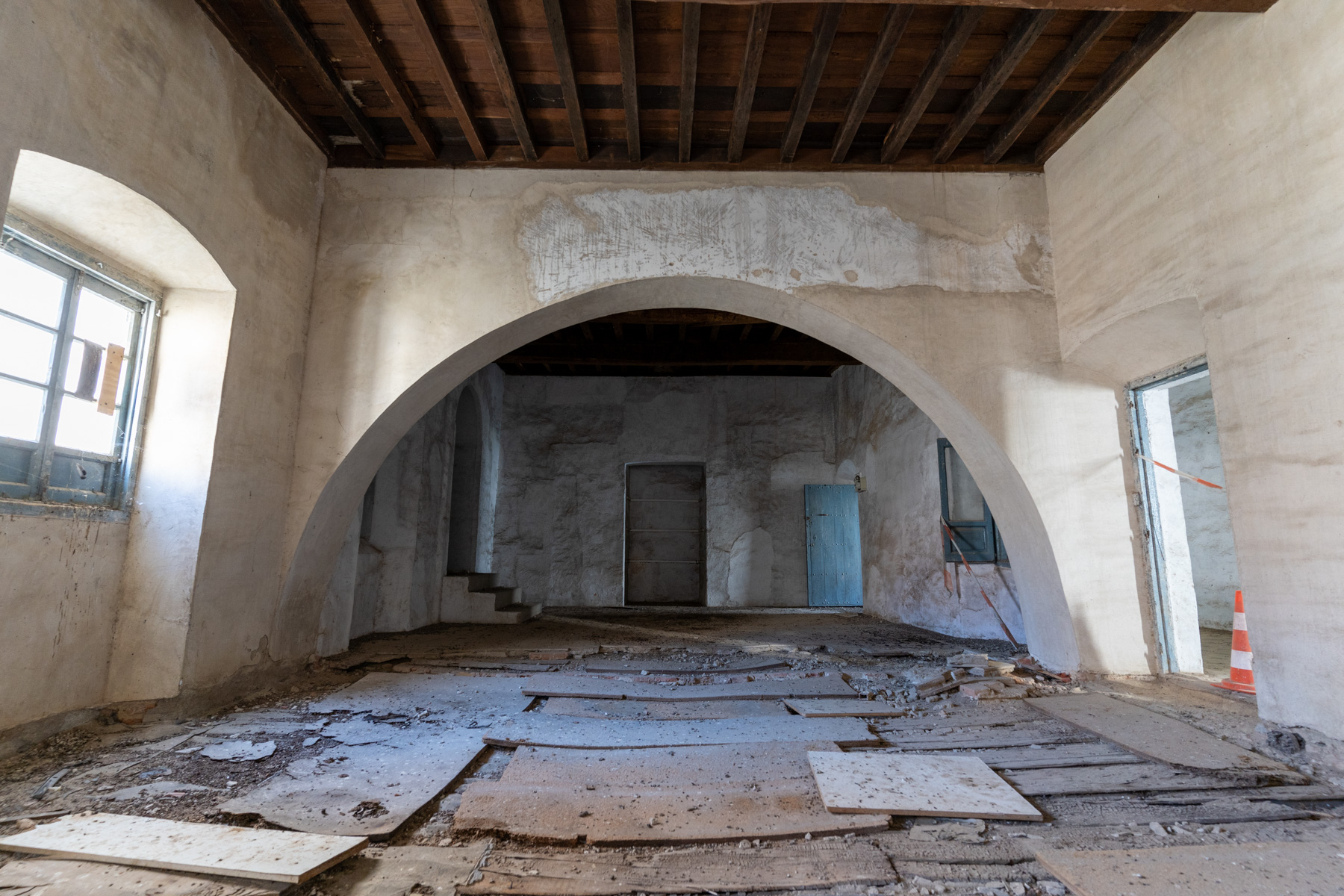
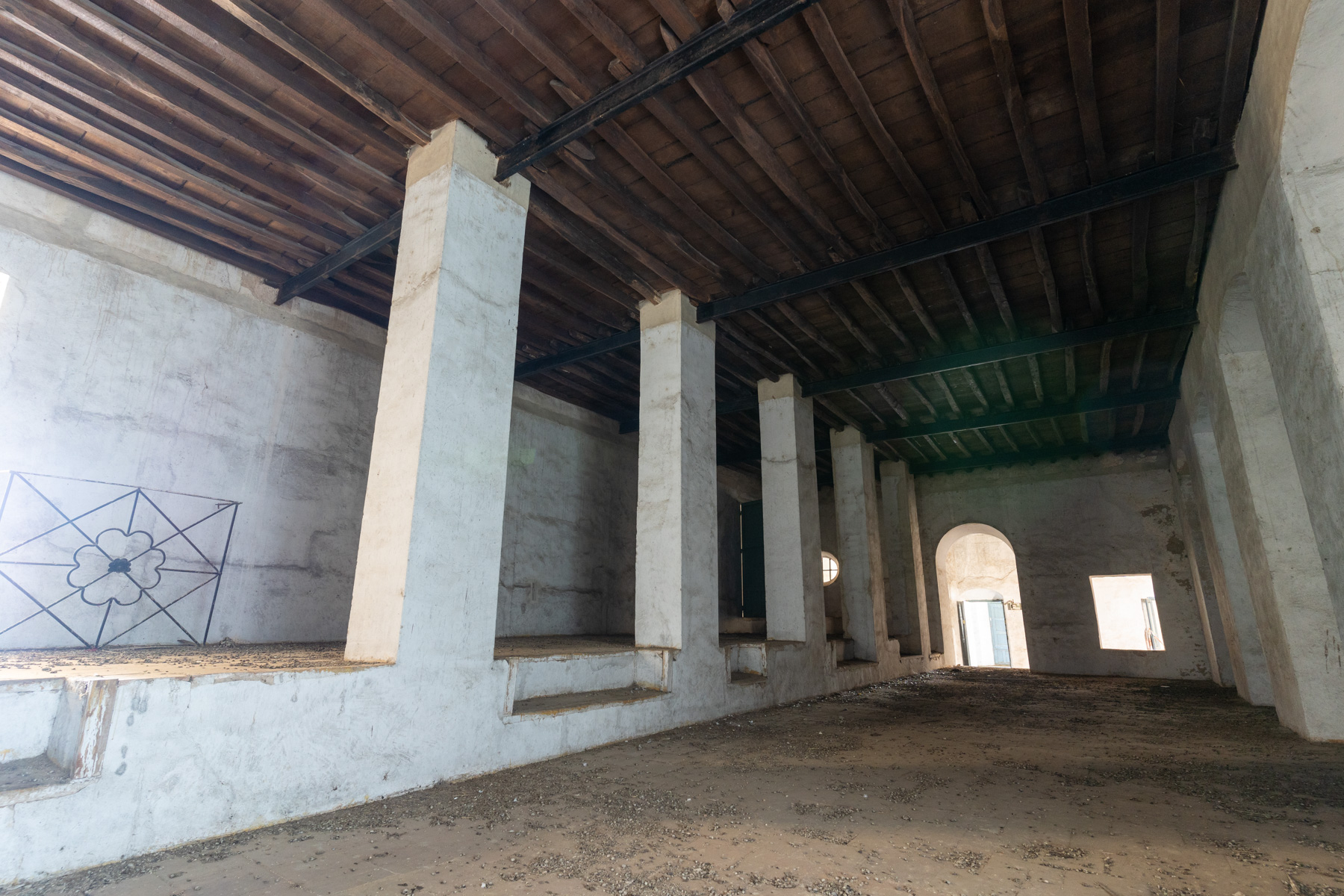
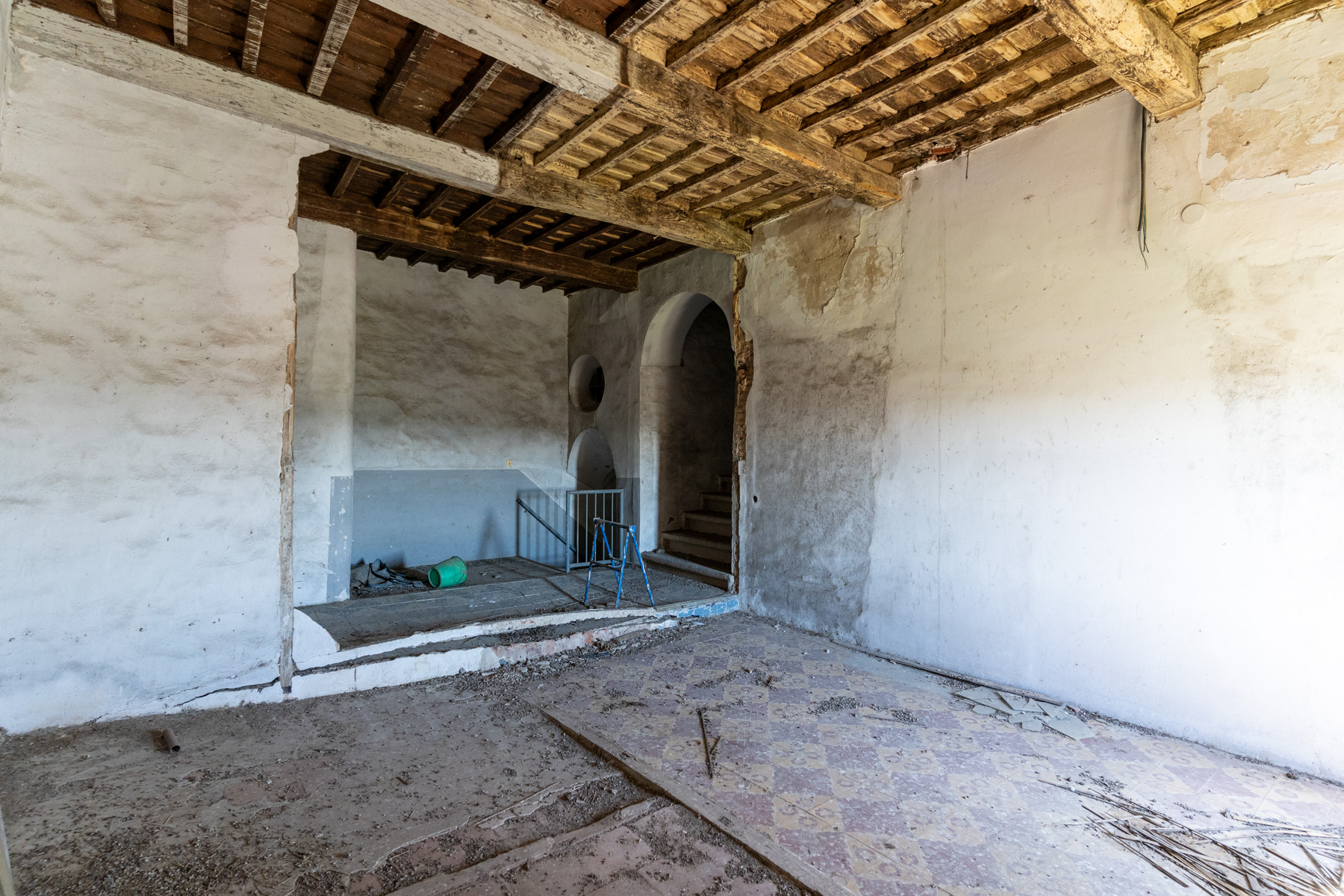
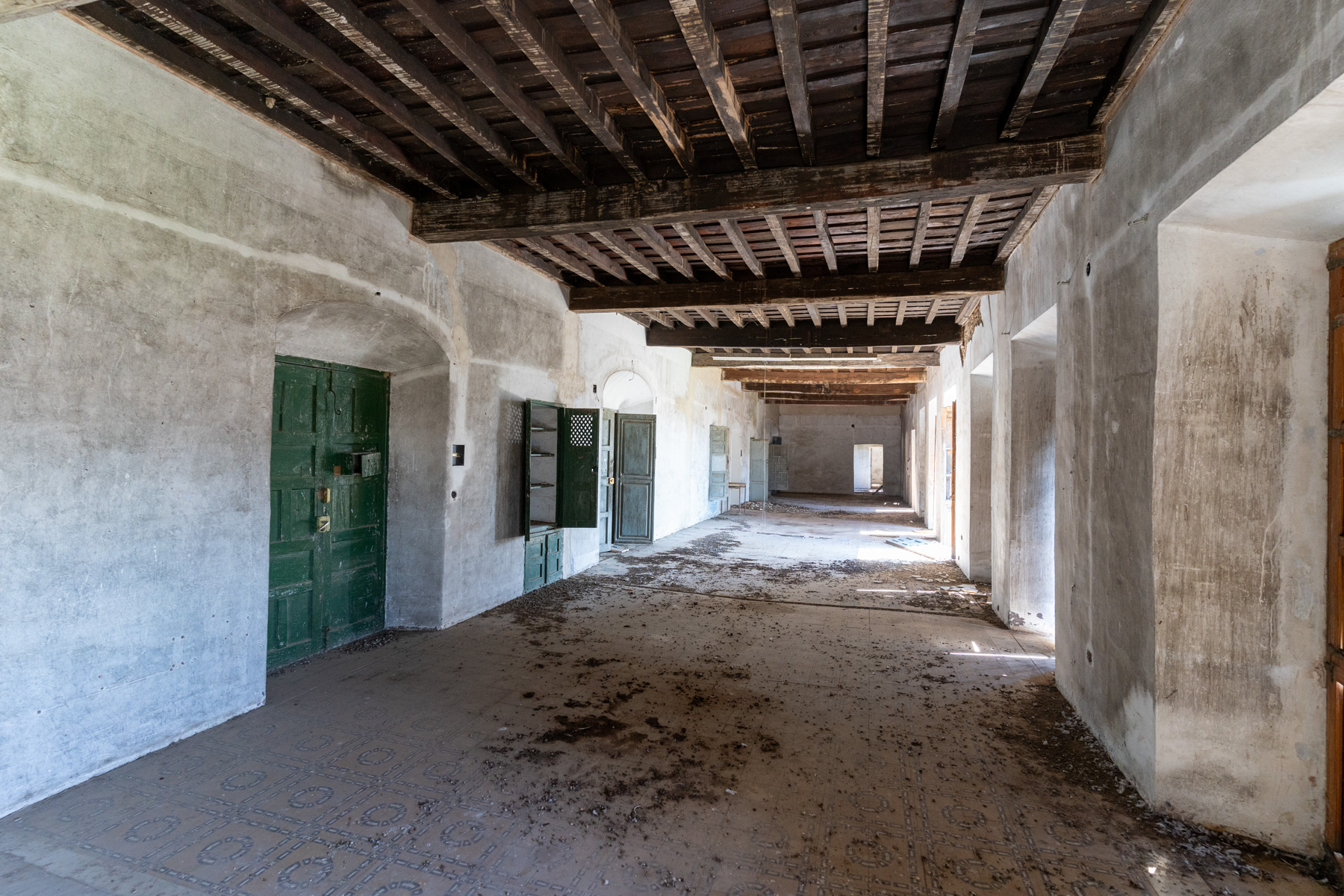
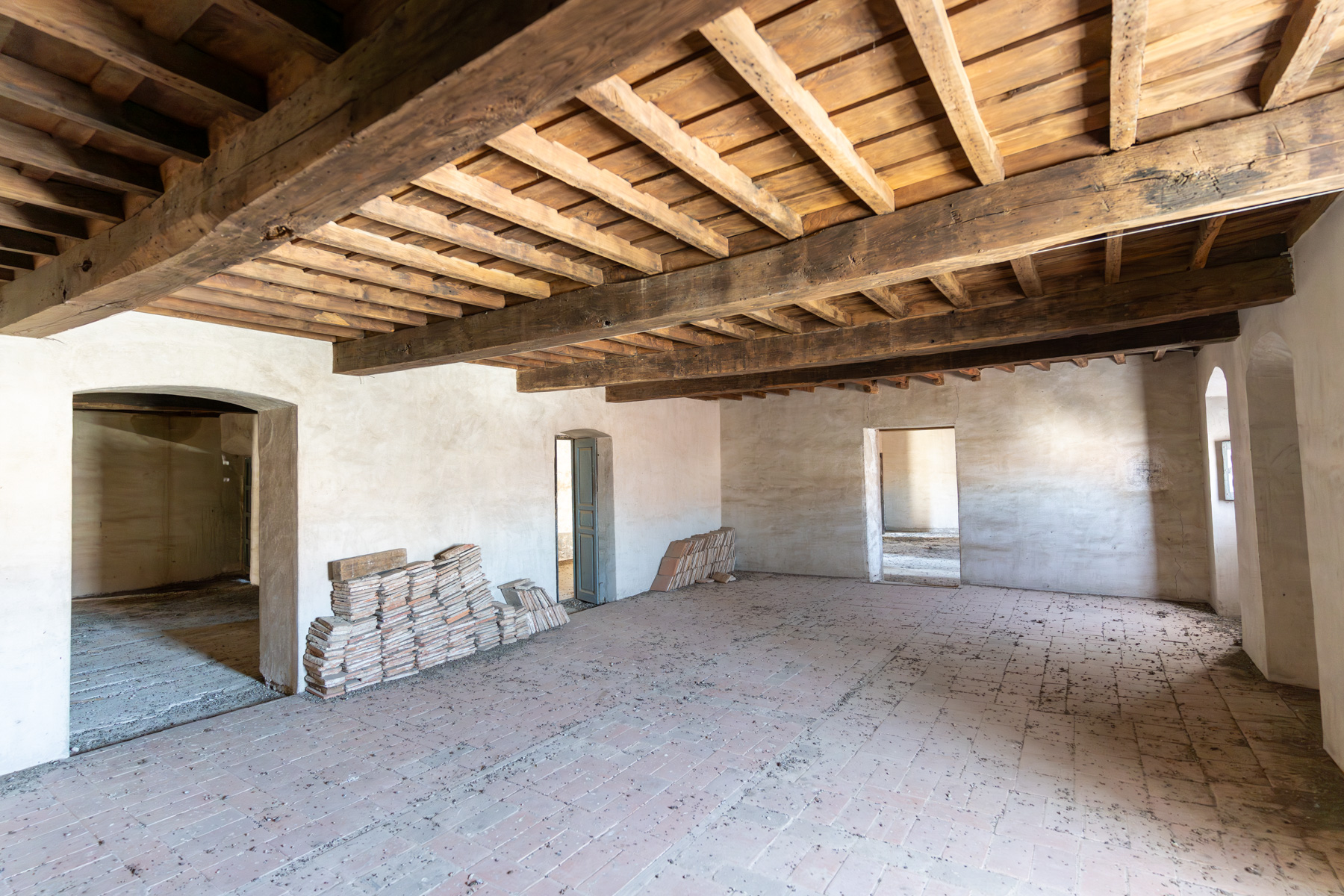
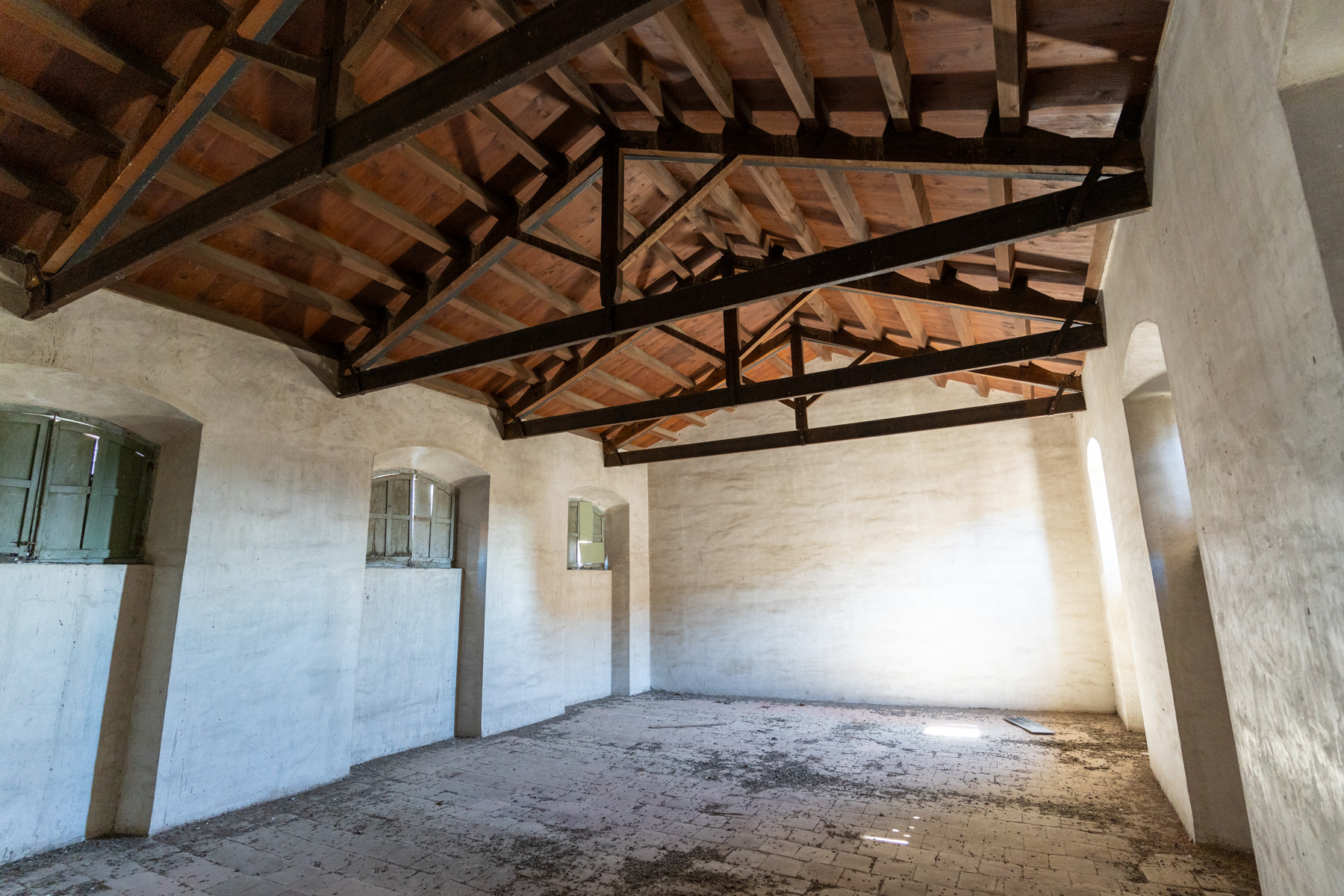
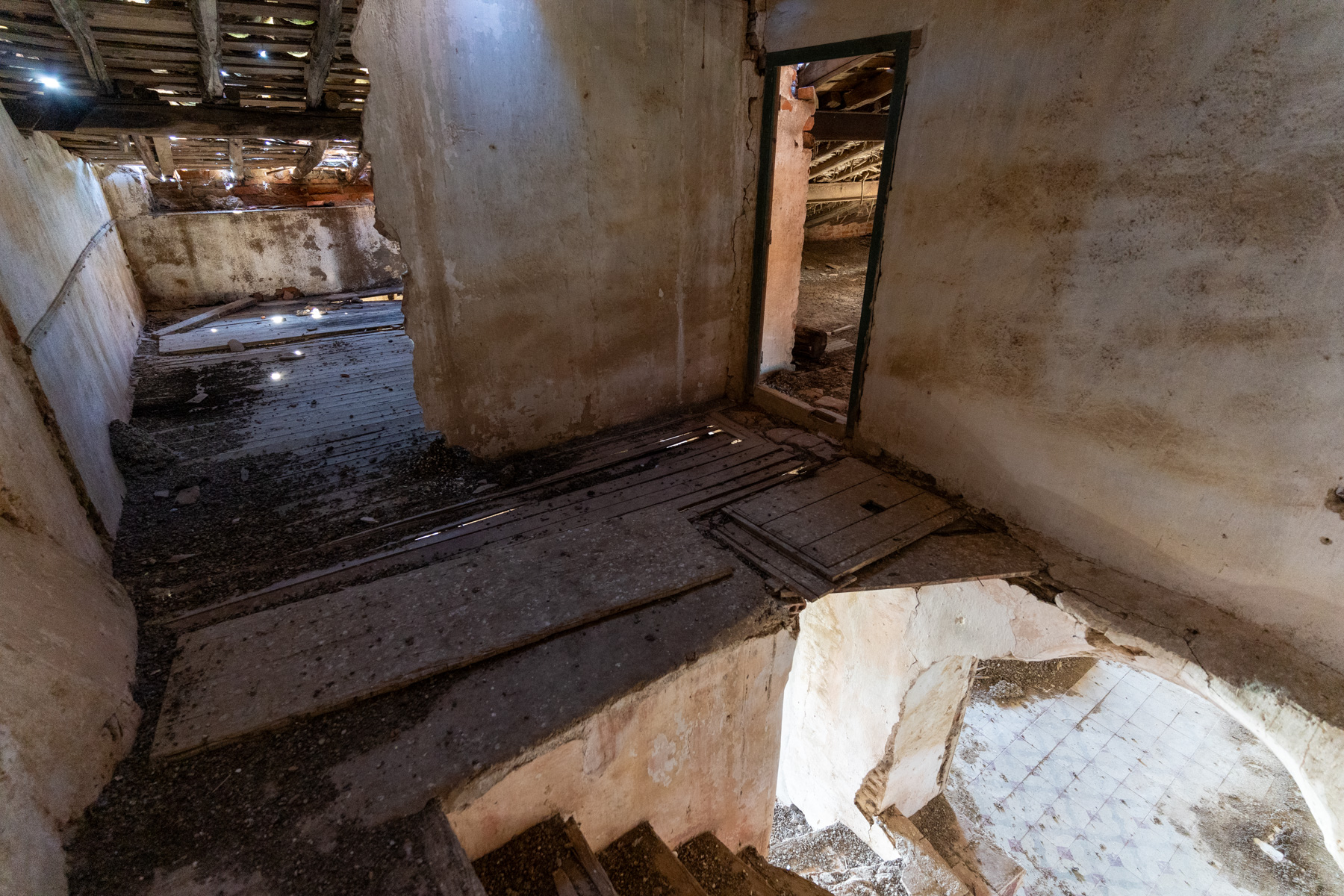
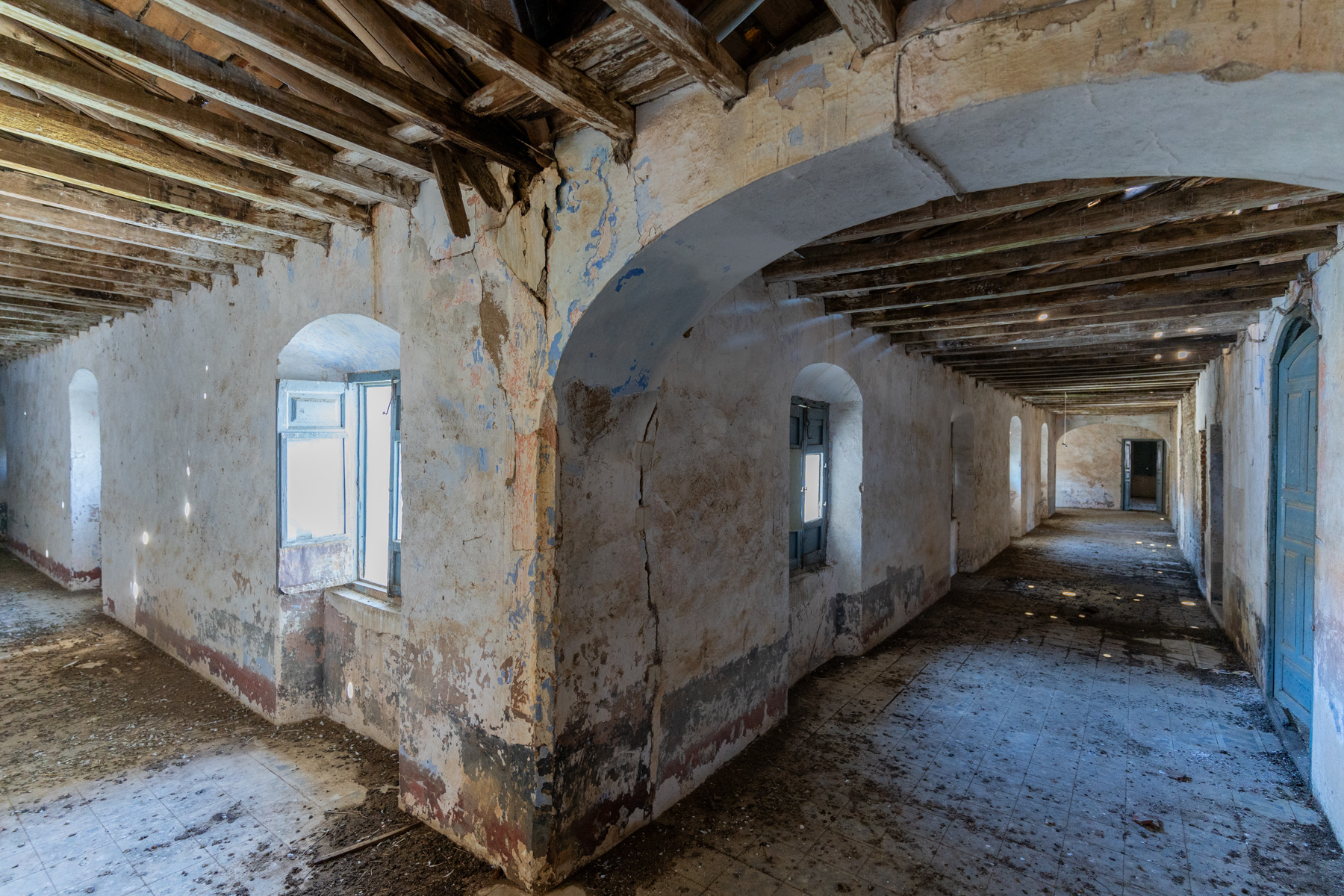
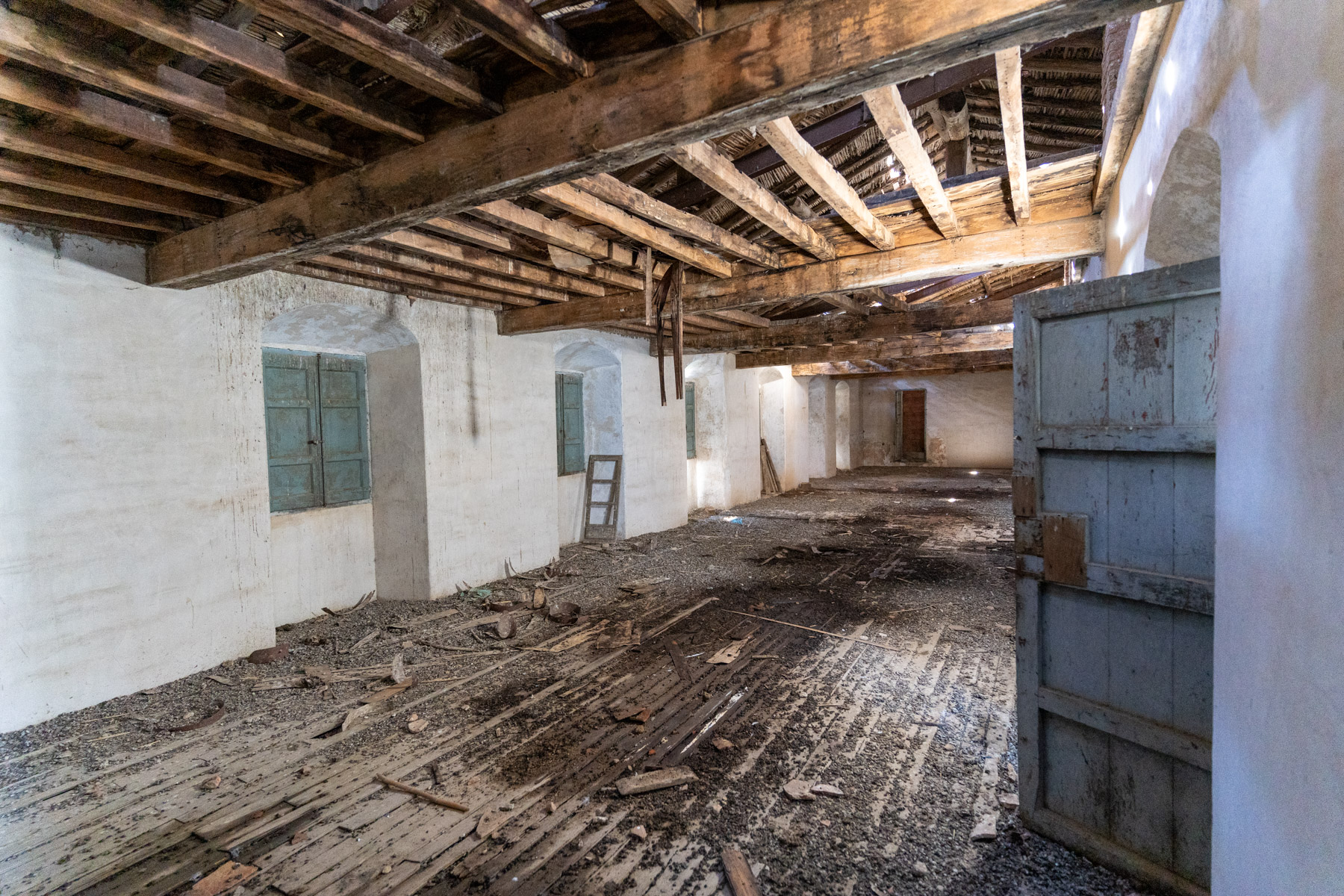
Its spaces, although requiring comprehensive restoration, maintain constructive elements of great value such as original wooden carpentry, ceilings with exposed beams and floors of different types that speak of the different periods and uses of the building.
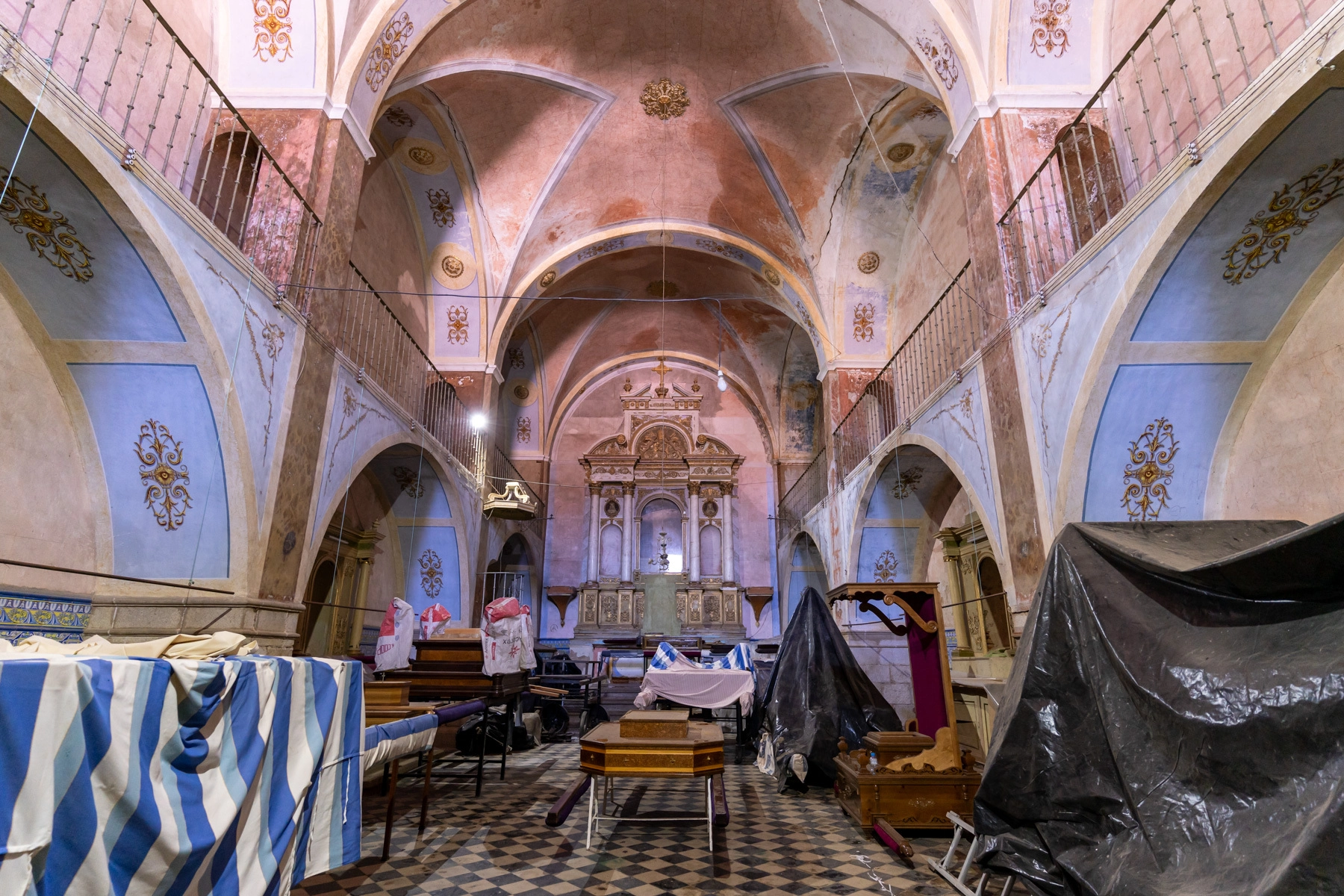
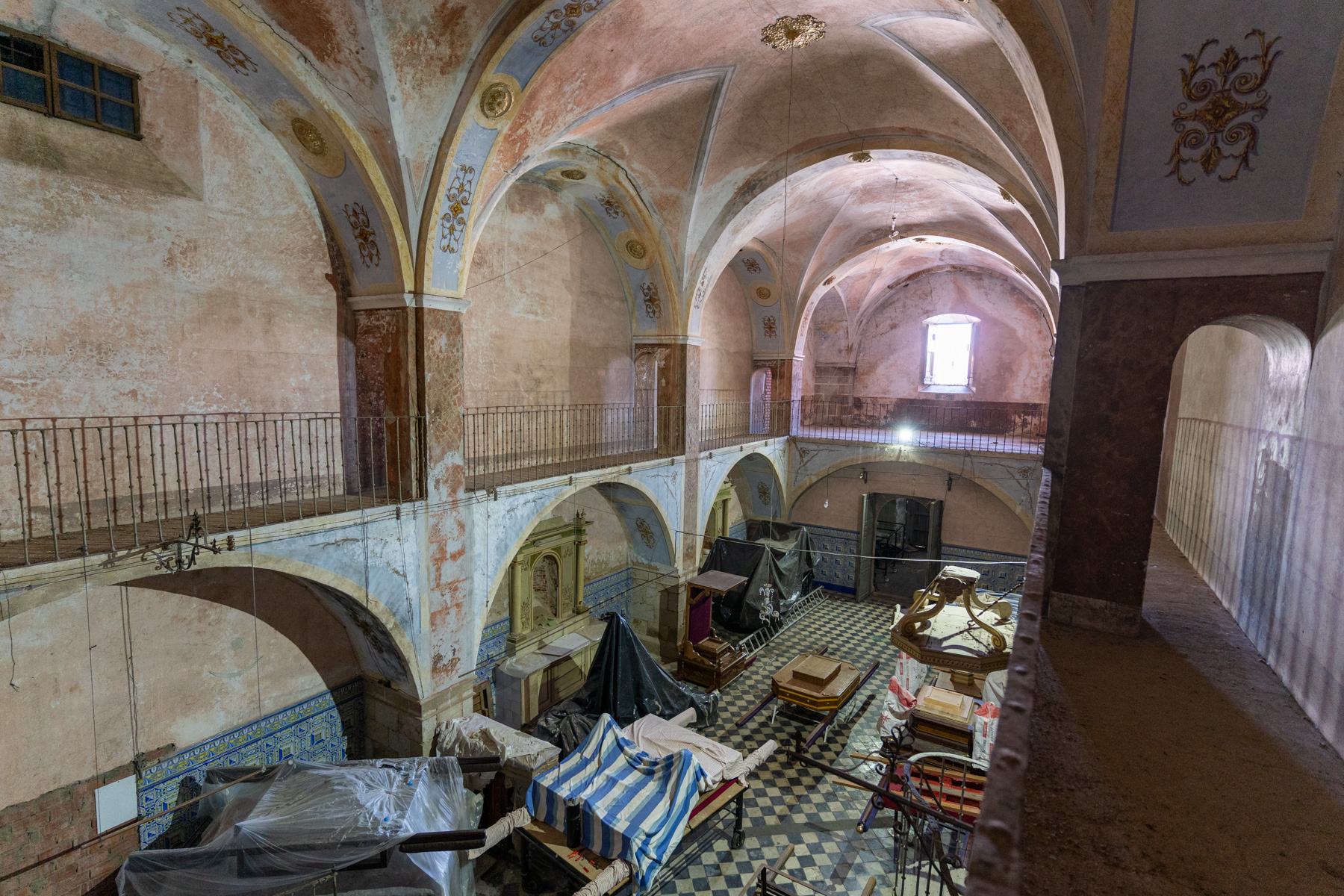
The chapel retains its original bell gable and surprises with its decorated interior. Its vaults are ornamented with Baroque motifs in blue and ochre tones that create a unique atmosphere, while the carved altarpiece presides over the space. The lateral arches display decorative paintings, and an upper gallery with balustrade of wood completes this space of notable artistic value.
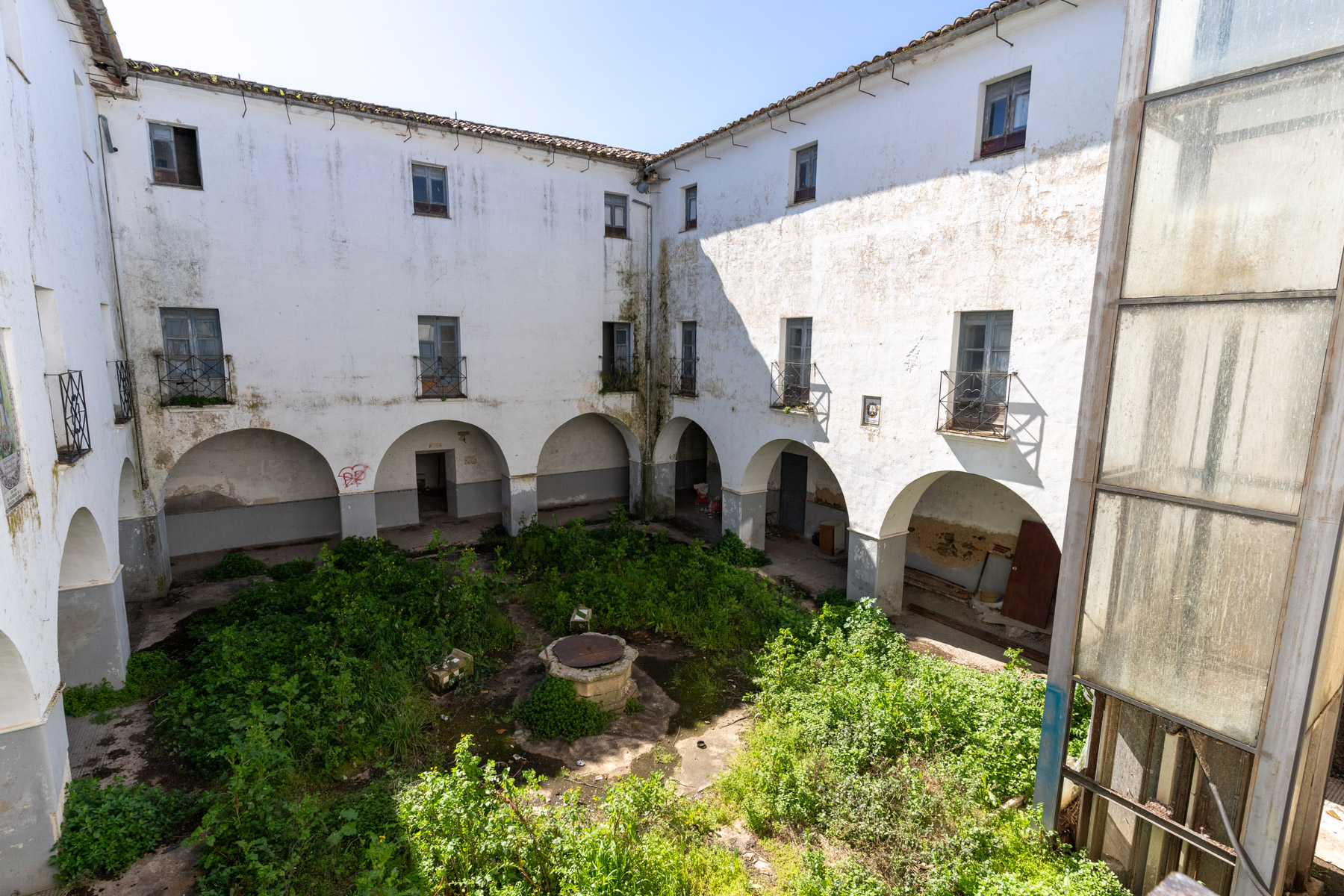
The cloister represents one of the most valuable and singular elements of the complex. Its ground floor features an elegant porticoed gallery with semicircular arches surrounding the interior courtyard, creating a space of great appeal and full of possibilities. A central stone fountain presides over this courtyard which, due to its characteristics and unique atmosphere, offers an exceptional setting for activities requiring a historic and singular environment.
According to its historical layout, the ground floor housed the porter's lodge, the stairs built in 1820, the side courtyard built in 1845 with the kitchen, the cellars and the dining room, as well as the east and south wings that accommodated the grammar, philosophy and theology classrooms.
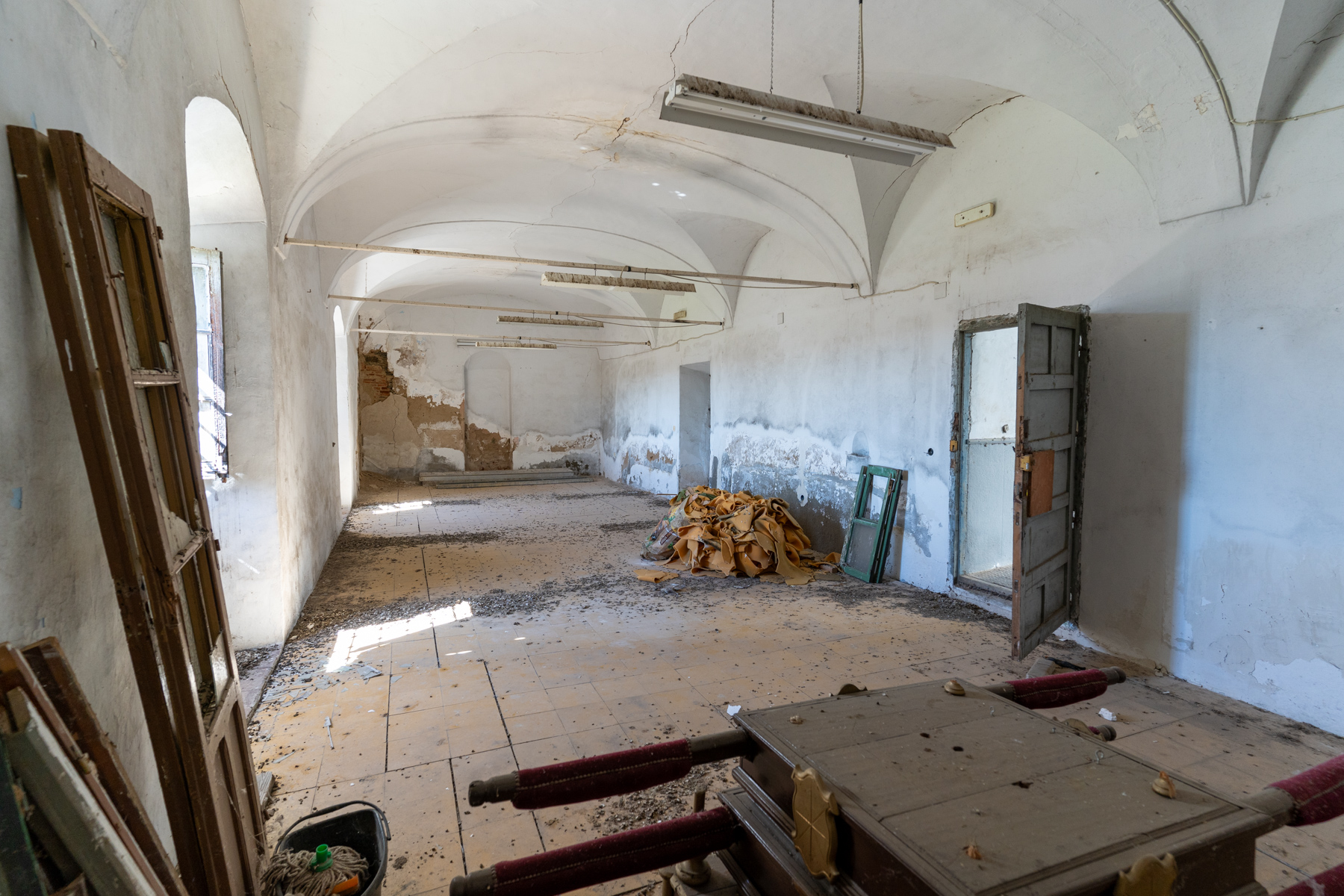
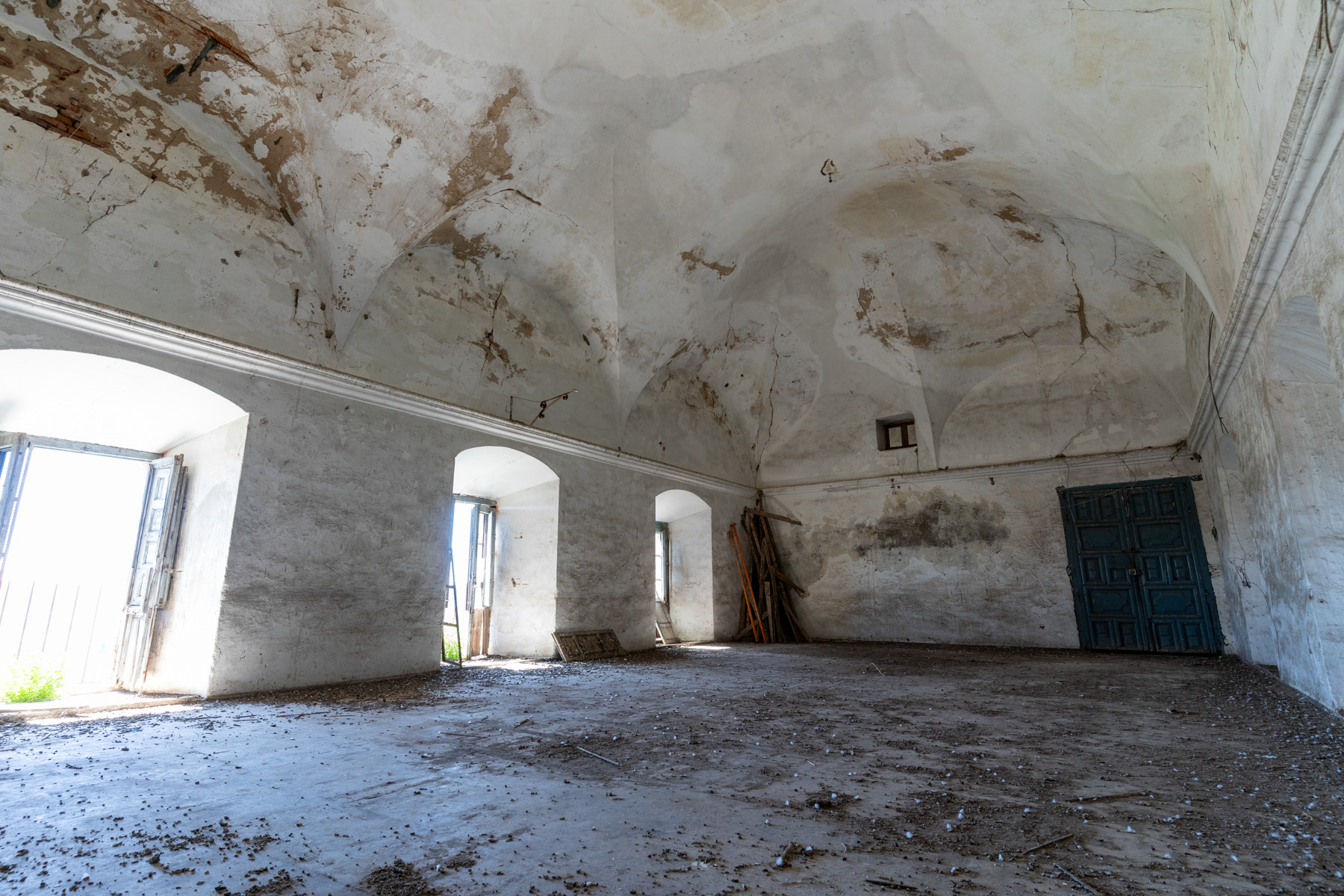
The first floor included the rooms of the professors, the rector and the vice-rector, the chapel choir and the vaulted library adjacent to the terrace. On the second floor were the students' rooms and study halls. Spaces that, with their original character and generous dimensions, invite one to imagine new uses where the history of the place accompanies the present.
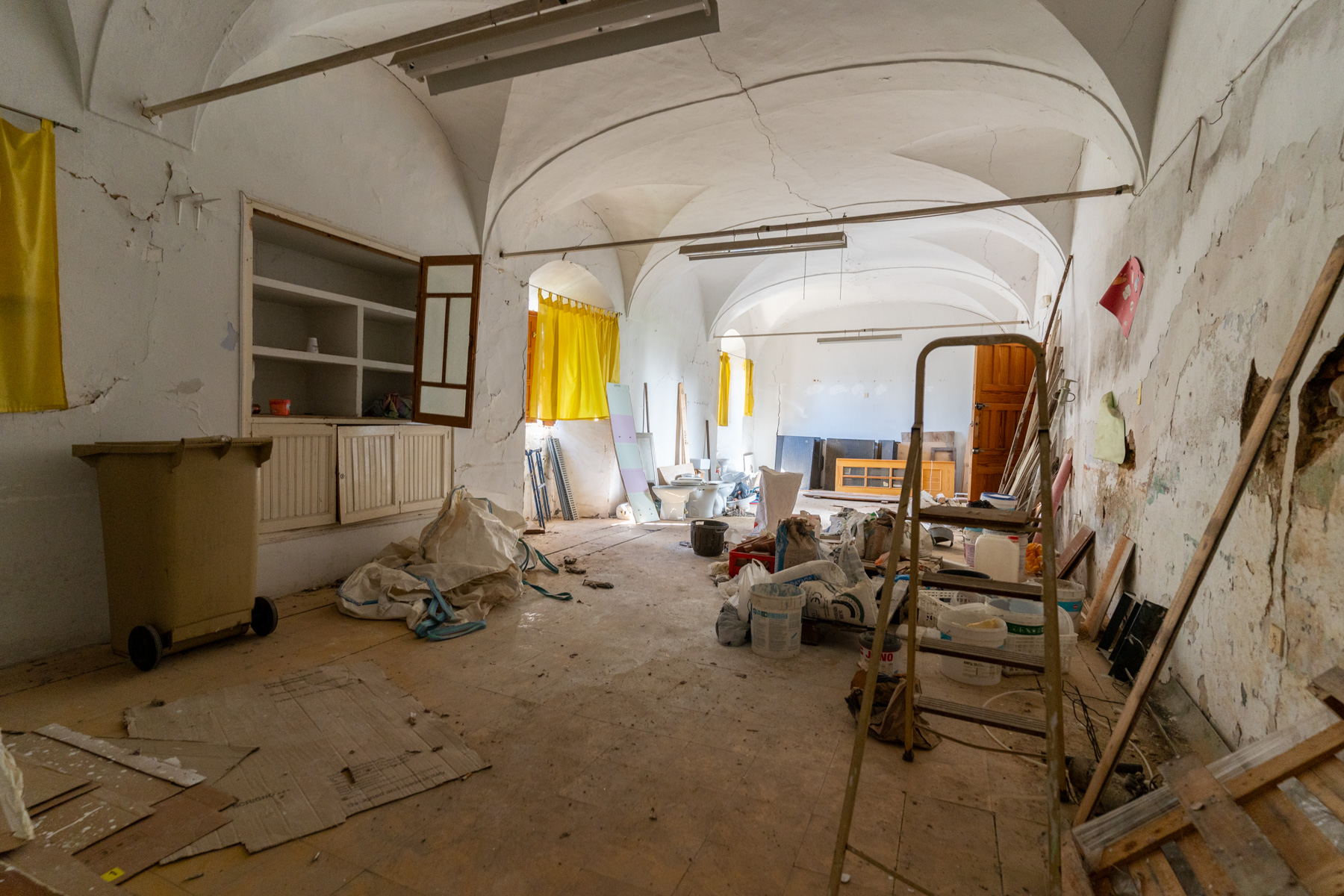
Although it requires comprehensive restoration, each room maintains its unique personality, from the old classrooms to the vaulted library, offering an exceptional canvas for projects that value the authenticity of spaces laden with memory.
Coria is one of the most monumental towns in the province of Cáceres, situated in the heart of the Alagón valley. The city preserves an impressive historical legacy dating back more than 2,000 years, with origins stemming from an ancient Vettonian settlement. Its Roman past left as heritage the impressive walls with 20 towers and four gates that still surround the historic centre.
The historic centre of Coria houses emblematic buildings such as the Cathedral of Santa María de la Asunción, a work from the 16th to 18th centuries that combines different styles. Its museum preserves the Sacred Tablecloth of the Last Supper, one of the most important relics of Christianity. The 15th-century castle, declared a Site of Cultural Interest, dominates the landscape from its elegant Keep tower built by order of the Duke of Alba.
The strategic location of Coria allows easy access to other points of interest such as Plasencia 40 km away, Hervás, Granadilla or Galisteo, forming an area of great tourist and cultural appeal. The city has established itself as a destination for cultural and gastronomic tourism, with events such as the Tauro Tapas Gastronomic Competition and Coria Sabor Micológico.
This historic building represents an exceptional opportunity to develop a cultural, residential, hotel or institutional project in a privileged location, with high symbolic, strategic and architectural value in the heart of one of Spain's oldest cities.
* Publication for information purposes only, not binding or contractual. May contain errors or be subject to change.

2.167 m²

3.430 m²

1

1

South

-

Exempt

Exempt
Are you interested in this property? Ask us your questions and we will contact you as soon as possible.