Buying a pazo in Galicia: what they are, how to restore them and current uses
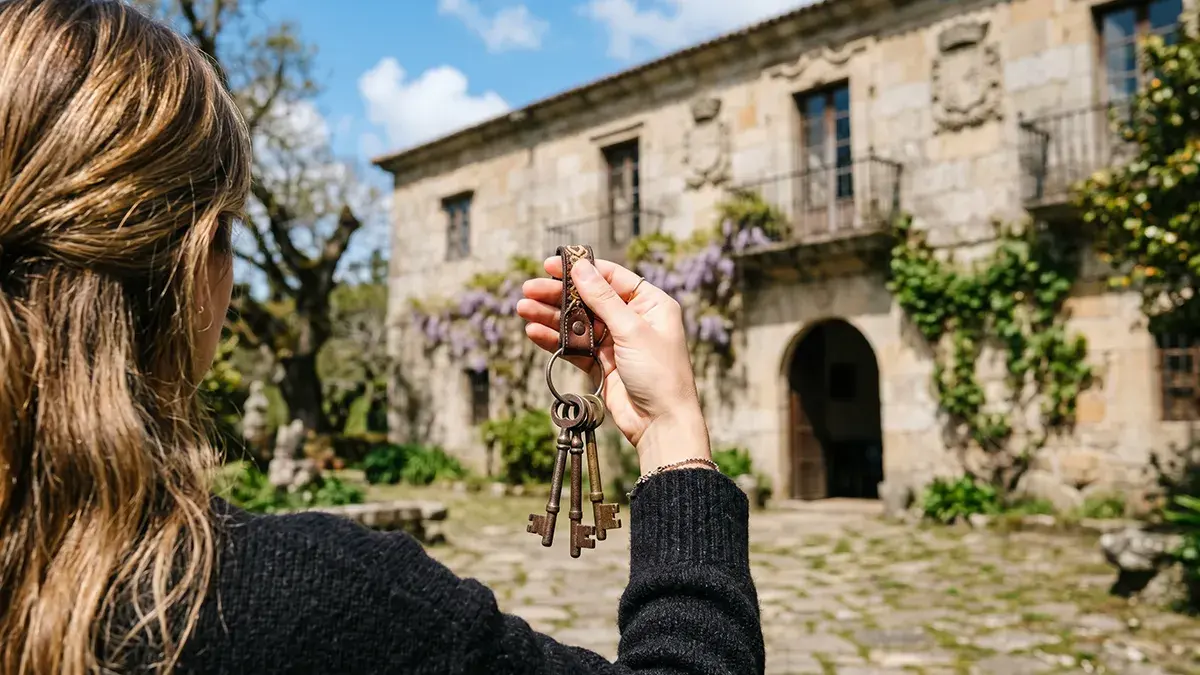
Galicia has more than 900 registered pazos. A considerable number, and yet each one is different: in size, state of preservation, history, and possibilities. What they have in common is that they are all part of the heritage of a land that knew how to build in stone a legacy that would last for centuries. This practical guide will help you understand what a pazo is, what its acquisition entails, and the enormous potential these historic buildings hold.
What is a Galician pazo and what makes it unique
The word pazo comes from the Latin palatium, meaning palace. But a pazo is not a palace in the classic sense of the term. It is something more discreet, more rooted in the territory, more functional. They emerged between the 16th and 18th centuries as residences of the Galician nobility and upper bourgeoisie: large, solid houses, built in stone, which often served simultaneously as stately homes and centers of agricultural exploitation. They were the heart of a system of lands and leases that organized much of Galician rural life.
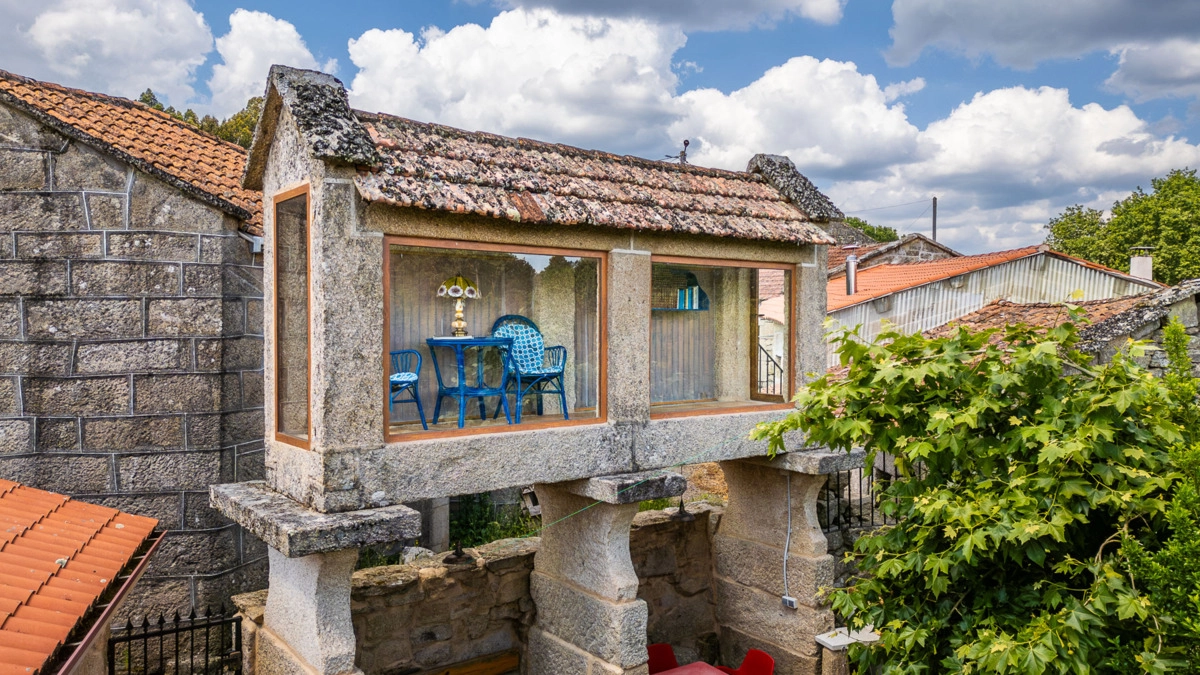
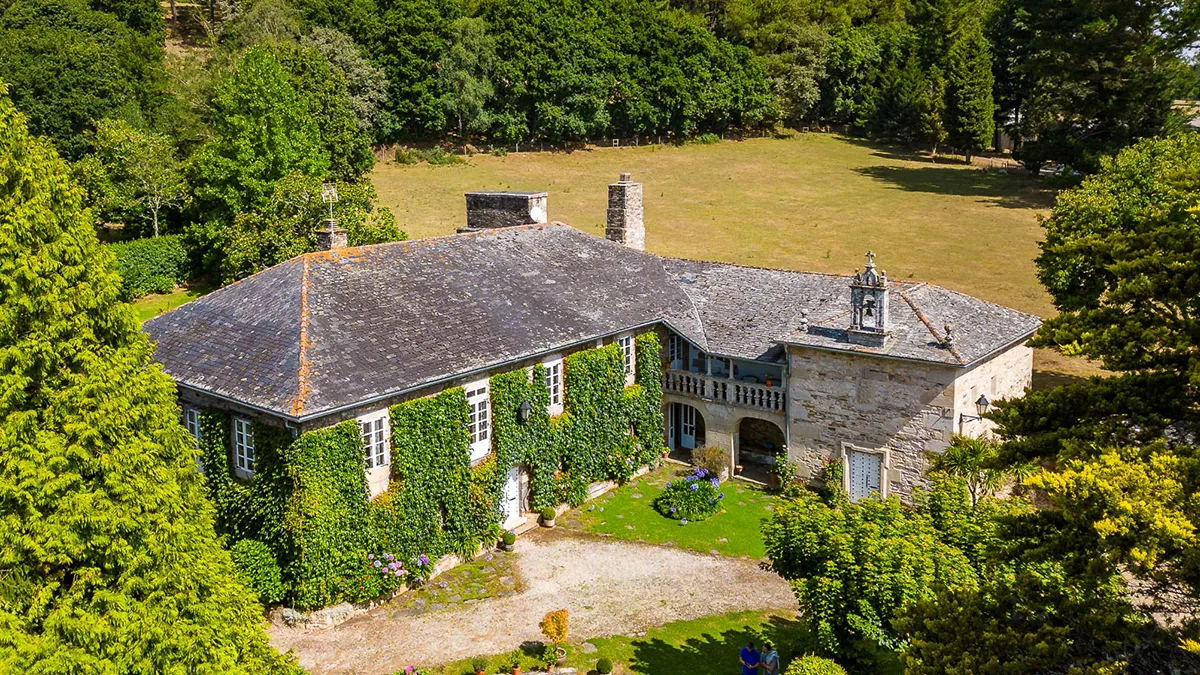
Recognizing a pazo is not always easy, because there is no single model. But there are a series of elements that appear frequently: masonry or ashlar walls, heraldic coats of arms on the facade, private chapel, hórreo (granary), auxiliary buildings —stables, cellars, alpendres (covered areas)— and gardens, sometimes of great botanical value.
Many also have a dovecote, stone wash house or 'cruceiro' (stone cross) on the grounds. In most cases, the complex forms a self-sufficient unit that at the time depended on almost nothing from outside.
The pazo: an architectural legacy that only exists in Galicia
The pazo is an exclusively Galician typology. Outside Galicia there are buildings of similar category —cortijos, manor houses, towers— but the pazo as an architectural and social concept is unique to this community. These are some characteristics that differentiate pazos from stately homes in other regions of Spain:
- Materials: granite is the construction material par excellence, as opposed to the use of brick, lime or limestone that predominate in other areas. This gives the pazo a more austere and rustic image, but also more robust and durable.
- Integration into the rural environment: the Galician pazo is an active part of the agricultural landscape, surrounded by meadows, forests and cultivable farms. It is not an isolated or ornamental construction, but functional and productive.
- The concept of hidalguía: the Galician nobility that built the pazos was, in many cases, a minor nobility —hidalgos— more linked to the land than to the court, which explains the sober and rural character of these buildings compared to the splendor of Castilian or Andalusian palaces.
- The climate: the architecture of the Galician pazo responds to a humid and Atlantic climate. The slate or tile roofs, the thickness of the walls and the generous lareiras (fireplaces) are solutions adapted to the conditions of the territory.
The oldest pazo in Galicia
Among the more than 900 pazos catalogued in the Galician heritage inventory, the one that holds the title of oldest is Pazo Torres do Allo, located in the municipality of Zas, in the province of A Coruña. Its construction dates from the late 15th or early 16th century, giving it more than 500 years of history. It was commissioned by the Gómez de Riobóo family, vassals of the Counts of Altamira, as a symbol of the power achieved after the matrimonial union of both lineages.
Abandoned during much of the 20th century, it was acquired in 1998 by the Provincial Council of A Coruña, which restored it and converted it into a museum and heritage information center. Today it is a Property of Cultural Interest and a reference for the work that can be done with a historic building in an advanced state of deterioration: recover its essence, honor its history and perpetuate its legacy.
Buying and renovating a pazo: what you need to know before starting
Acquiring a pazo means assuming a commitment to heritage. It is not a limitation, but a responsibility that comes with a clear legal framework and, in many cases, tax benefits.
The regulations governing interventions
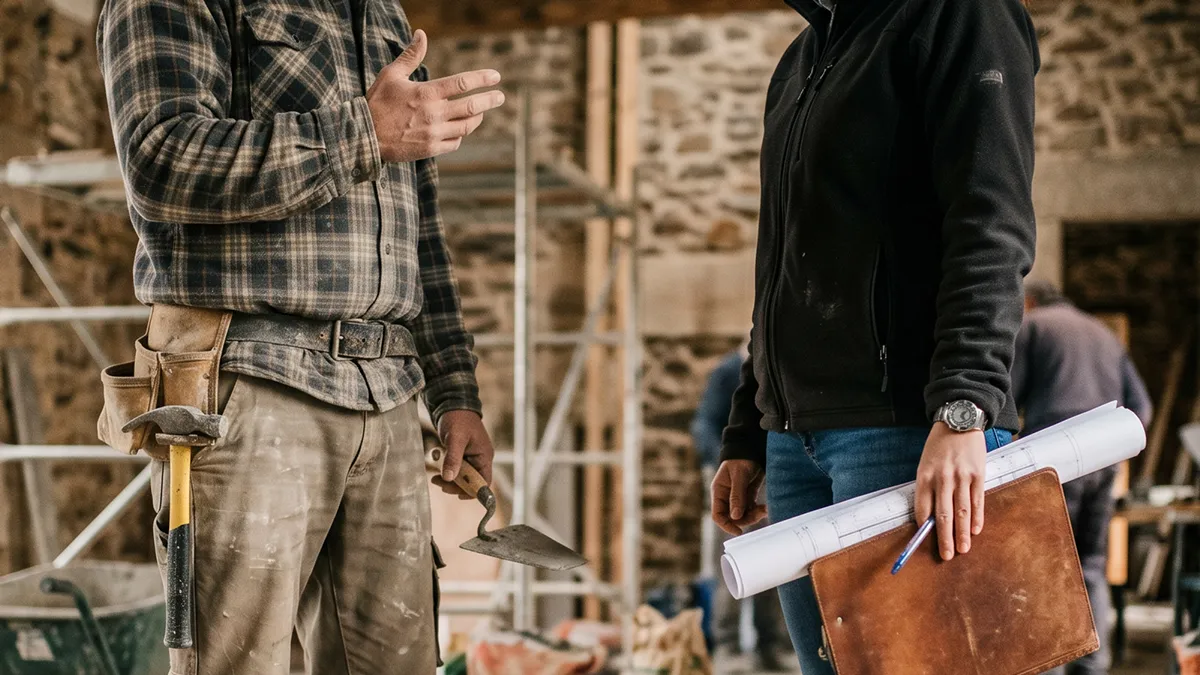
The main legal reference is Law 5/2016 on the Cultural Heritage of Galicia, which establishes what type of interventions can be carried out on properties with heritage value and how they should be carried out. The fundamental criterion imposed by law is the preservation of original elements and characteristics: you cannot alter the constructive essence of a pazo to modernize it without taking into account its historical value.
This does not mean that it cannot be renovated, but that it must be done with judgment. In practice, possible interventions range from structural consolidation works and restoration of deteriorated elements to the adaptation of new uses in interior spaces, as long as they do not compromise the protected values of the property.
When the pazo is declared a Property of Cultural Interest (BIC), the level of requirement is higher: any work of certain magnitude requires prior authorization from the Ministry of Culture, and in some cases it is necessary to present an intervention project that includes historical and artistic documentation of the property. For minor emergency works, the regulations provide exceptions that allow action with greater agility.
Owners of catalogued properties are legally obliged to preserve and maintain them in good condition. This obligation is transferred with the property: whoever acquires a pazo also assumes the commitments acquired by the previous owner.
The technical team: key in any project
Restoring a pazo is not the same as renovating a conventional home. It requires professionals with experience in heritage: architects specialized in restoration, surveyors familiar with traditional materials and, sometimes, archaeologists or historians who document the process. The choice of technical team is as important as the financial investment.
Costs and deadlines: honesty before illusion
Renovating a pazo is often costly, and takes time. Administrative processing deadlines require patience, and structural unforeseen events are common in buildings with centuries of history. However, those who have gone through the process agree that the result justifies the effort.
In addition, pazos integrated into cultural heritage can benefit from tax deductions established at both state and regional levels, which can ease part of the investment.
The new life of pazos: from stately past to opportunities with a future
Once restored, a pazo offers possibilities that few buildings can match. There is no single answer: each case is different, and the most appropriate use depends on the state of the property, its size, location and the aspirations of the buyer.
Main residence or second home
The simplest and also the most personal use. Living in a pazo is inhabiting a piece of history in a space with a unique architectural identity. A real alternative for those who want an exceptional home away from cities, and especially valued by international buyers looking for authentic, exclusive properties connected to the territory.
Rural tourism, event hosting and charming accommodation
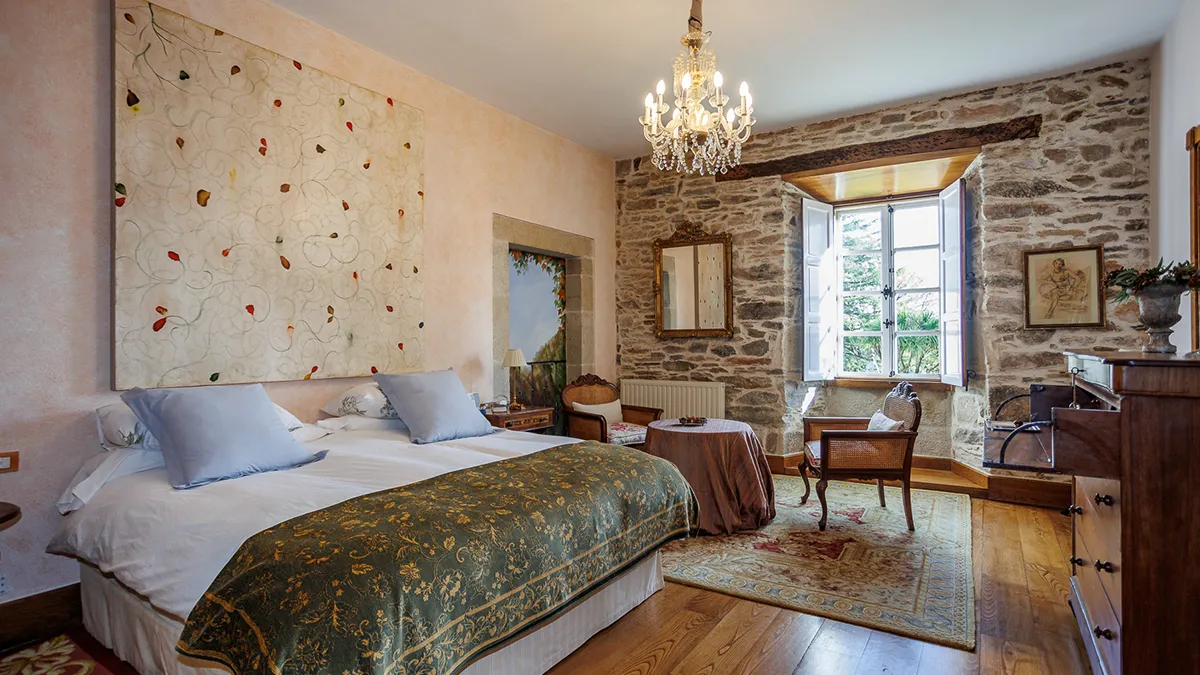
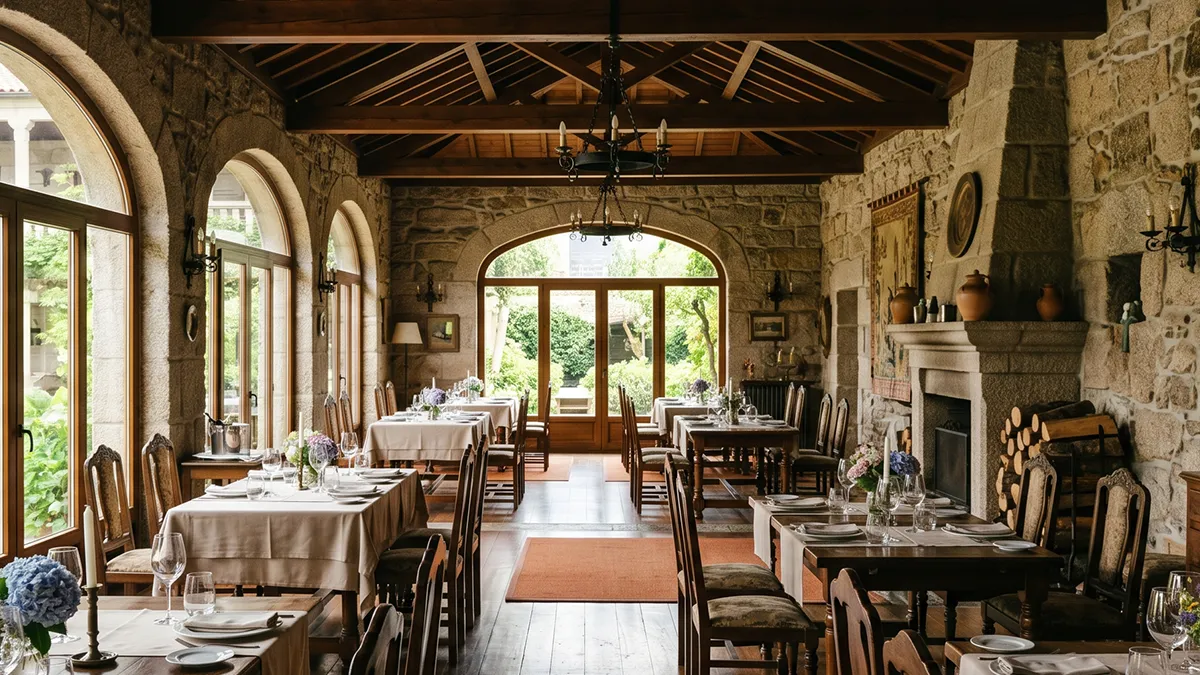
Many renovated pazos have found their second life in rural tourism. High-end rural houses, charming hotels and event organization services find in the pazo an ideal support: historic architecture, exceptional natural surroundings and a narrative that no modern building can offer. Galicia receives millions of visitors every year, and the demand for authentic experiences outside the conventional does not stop growing.
Cultural project, winery or mixed use
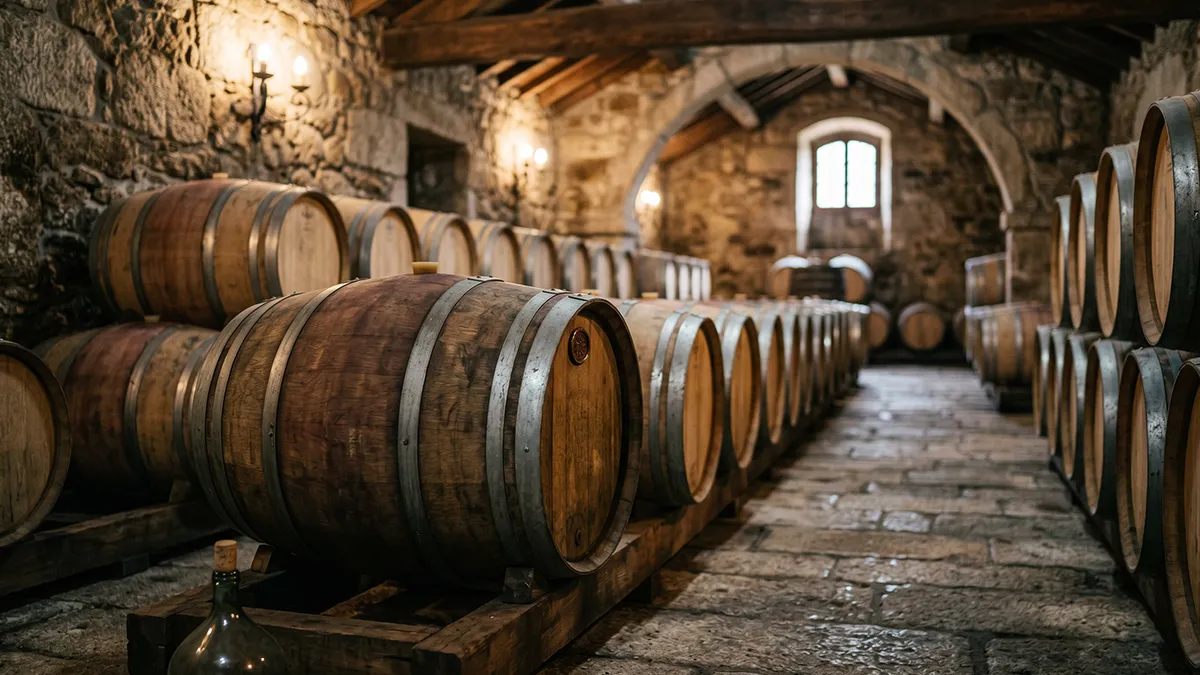
Some pazos have given rise to more ambitious projects: cultural spaces, wineries with their own vineyards, retreat or wellness centers, or initiatives that combine several uses in the same complex. The dimensions of these properties and the large extensions of land that accompany them open a range of possibilities that go far beyond housing.
Three renovated pazos in our portfolio
At Grupo Country Homes we have a large number of pazos in our portfolio, in different states of preservation and for different budgets. For each one we research and document its history, characteristics and context, because we believe that knowing a property well is the first step to finding it the best heir.
Here are three examples of fully restored pazos for sale, ready to inhabit or convert into the project you imagine:
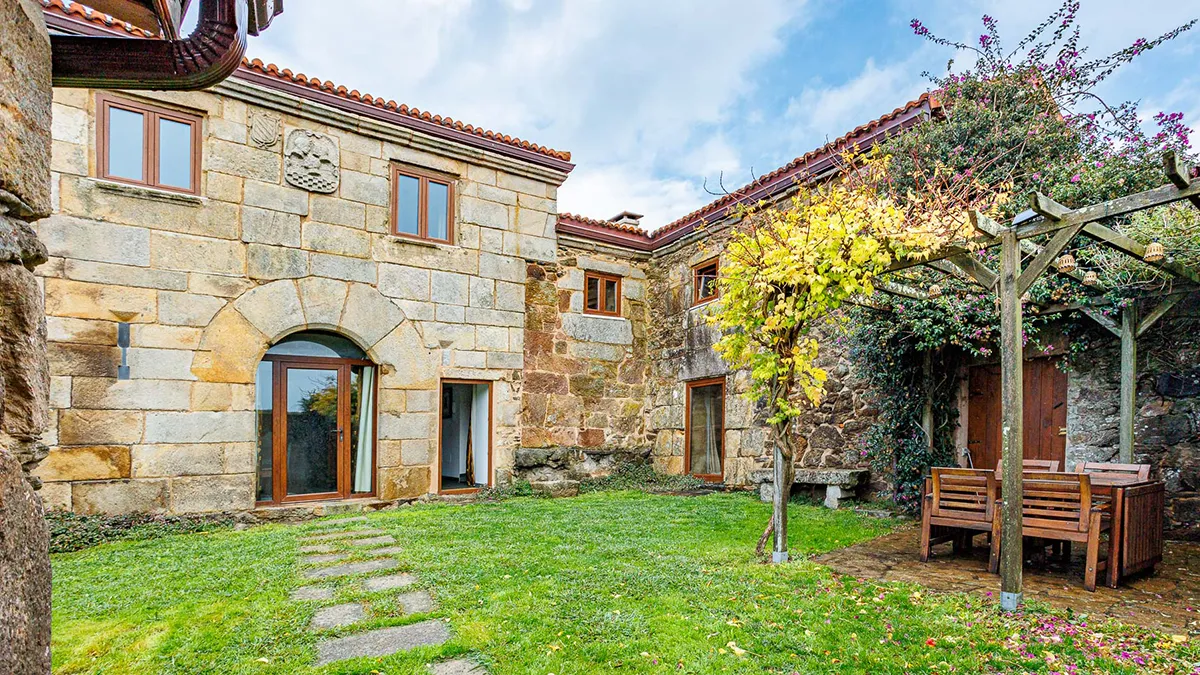
16th century restored pazo in A Laracha, A Coruña
€495,000 | View full listing
Five centuries after its construction, this 16th century pazo in Costa da Morte has received an exemplary restoration that preserves its stately soul. Its stone walls embrace spaces that combine original architectural elements with modern and comfortable finishes.
- 5 bedrooms, 3 of them with private bathroom
- Garden with barbecue and outdoor dining area
- 342 m² built on a surface of 711 m²
- Less than 15 minutes from the beach
- Ideal as private residence or accommodation business
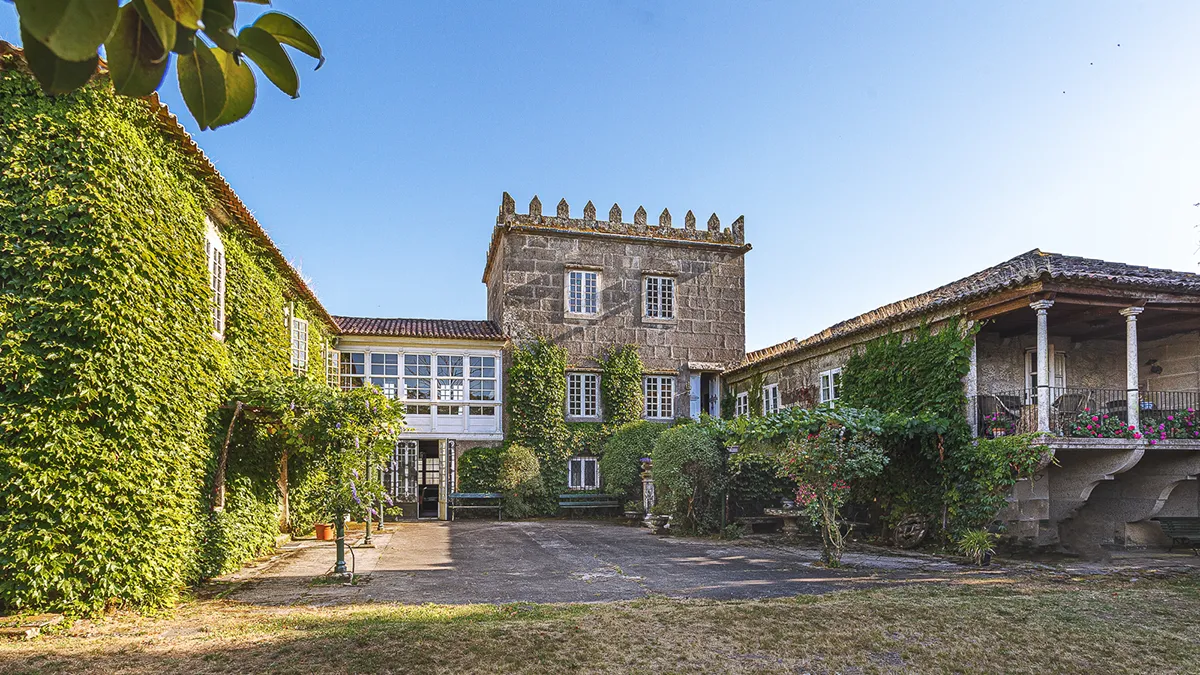
17th century pazo with chapel and gardens in Pontevedra
€2,999,000 | View full listing
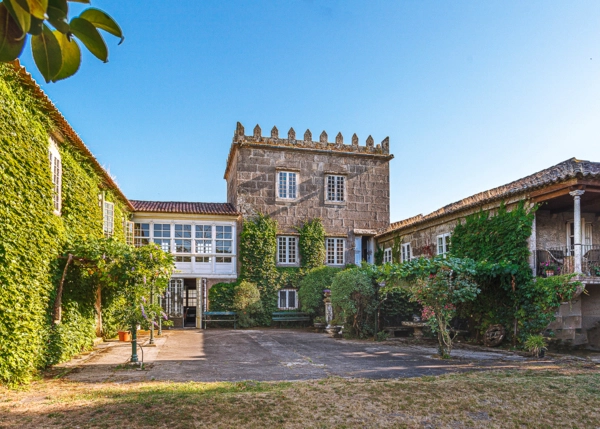
This impressive stately pazo is located in the heart of Pontevedra, just minutes from the city center. It has its own chapel, unique hórreo and romantic gardens, offering a total of 1,120 m² built and almost 15,000 m² of land. Its spaces have kept intact their stately character, and have witnessed important historical decisions throughout the centuries.
- 16 bedrooms and 7 bathrooms
- Crenellated tower and chapel with baroque altarpiece
- Romantic gardens with magnolia boulevard
- Caretaker's house in Portuguese style of 150 m²
- Unique hórreo on 12 stone pillars
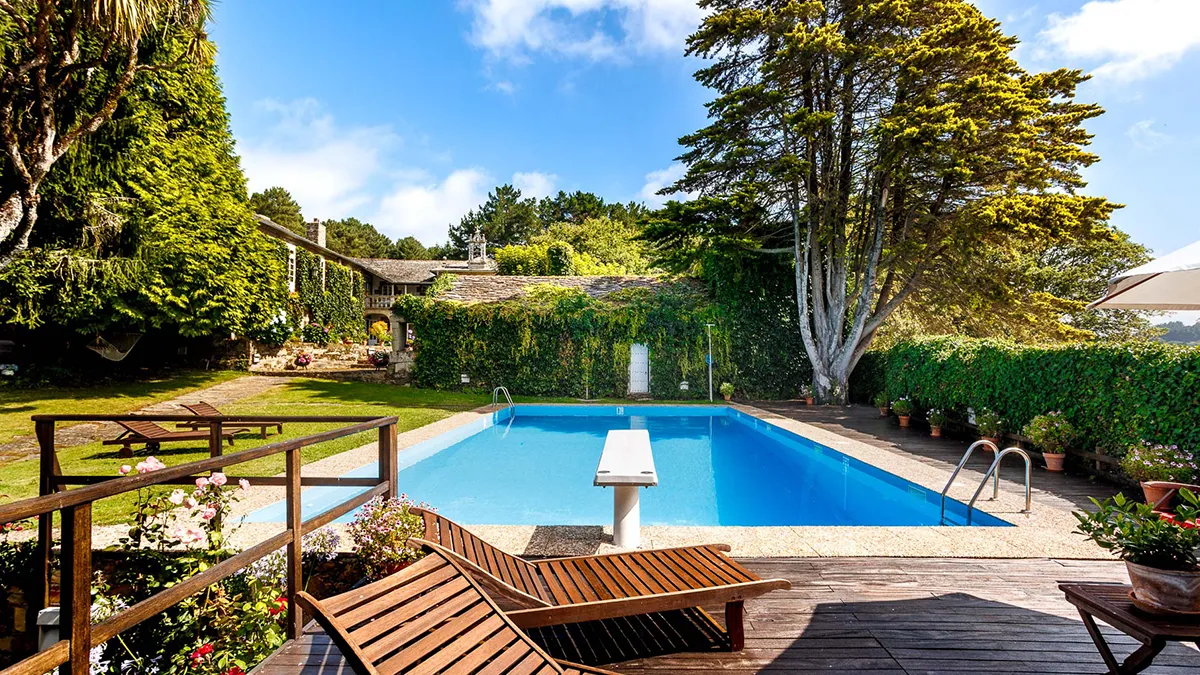
16th century pazo with pool and 42 hectares (103.78 acres) in Cospeito, Lugo
€3,500,000 | View full listing
Linked since the 15th century to important lineages of the Galician nobility, this pazo offers completely restored spaces with pool, tennis court, agricultural facilities and more than 42 hectares (103.78 acres) of land. A unique historical legacy just 18 minutes from the city of Lugo.
- Walled enclosure with pool, tennis court and barbecue area
- Baroque chapel with carved wood altarpiece
- Independent guest house in good condition
- Agricultural facilities with 3 warehouses and auxiliary dwelling
- 42 hectares (103.78 acres) of land with forests and meadows
Three pazos to restore with great potential
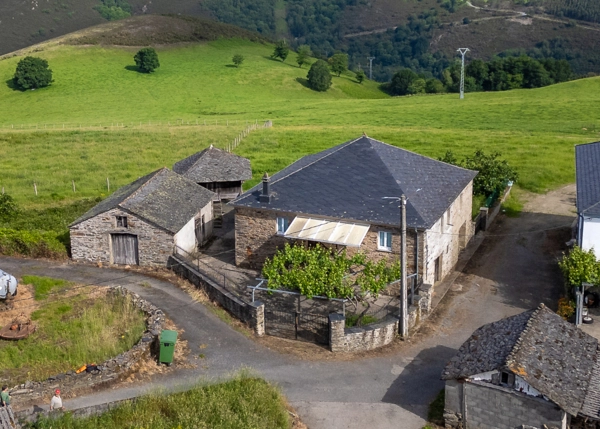
In our portfolio we also have pazos that need complete intervention. They are properties with solid structure and enormous potential, ideal for those looking to develop a custom rehabilitation project starting from a more accessible budget.
17th century pazo with interior courtyard and 9 hectares (22.24 acres) in Castroverde, Lugo
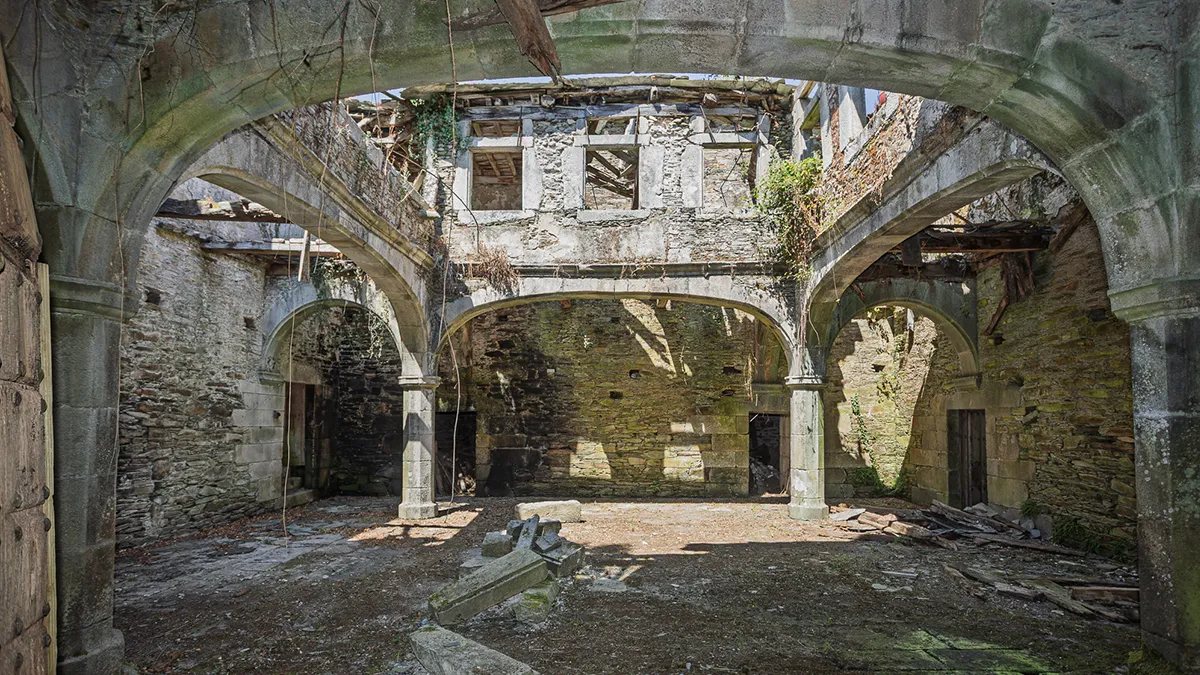
€350,000 | View full listing
With a spectacular arcaded interior courtyard, more than 9 hectares (22.24 acres) of land and a second independent dwelling located on the other side of the road, this 17th century pazo awaits its rebirth in a privileged natural environment, just 23 km from the capital of Lugo.
- Historic 17th century pazo in the midst of nature
- Plots totaling more than 9 hectares (22.24 acres) of land
- Spectacular interior courtyard with stone arches
- Second modern construction dwelling to renovate
- Stone wash house and large alpendre with wood oven
18th century pazo of Italian inspiration in Bóveda, Lugo
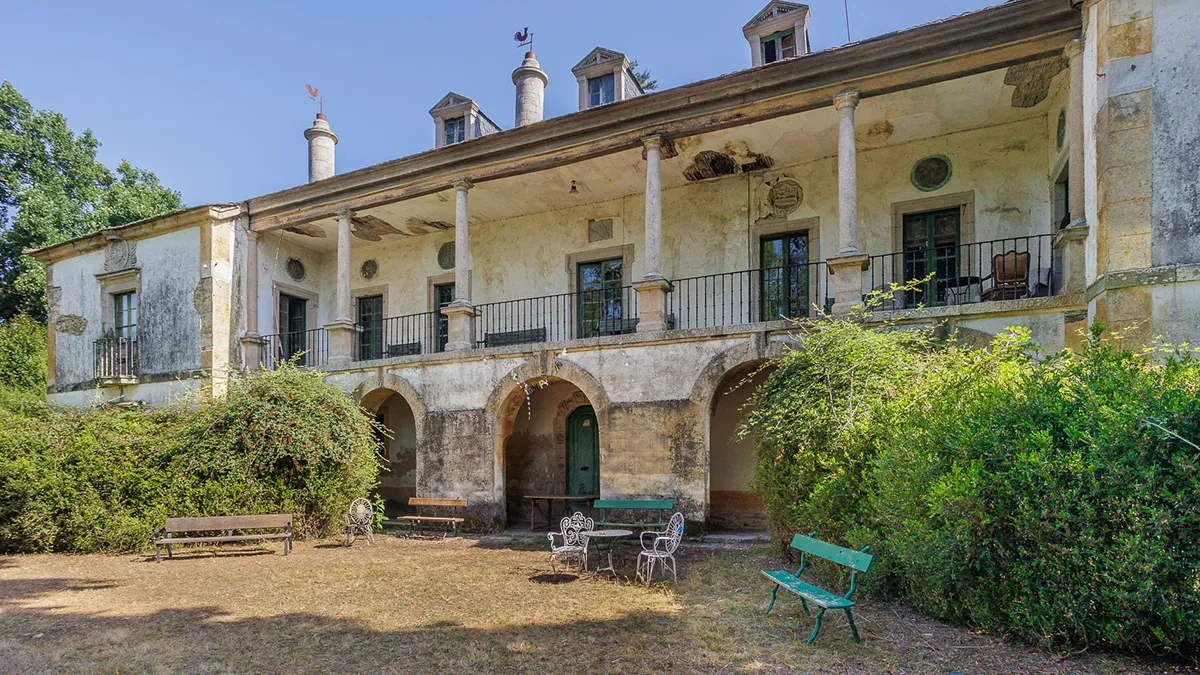
€800,000 | View full listing
Built in 1769, this historic complex surprises with its Italian-inspired architecture, loggias that open to the landscape and period mural decorations. An additional two-story house and extensive gardens complete this architectural legacy with enormous potential.
- Only 18th century Italian-style palace in Galicia
- Historic-Artistic Monument with original elements
- More than 1 hectare (2.47 acres) of land with gardens and stone fountain
- 15 km from Monforte de Lemos and 40 minutes from Lugo
- Great potential for rural tourism business
16th century pazo with forests and vineyards in Cenlle, Ourense
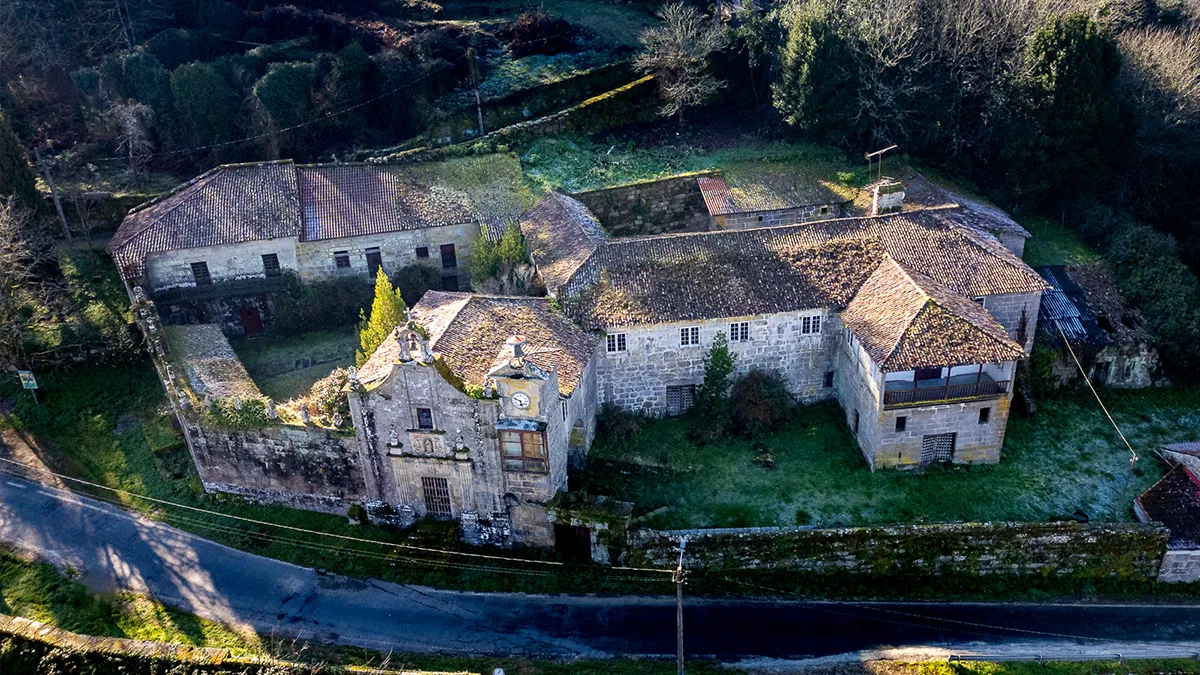
€940,000 | View full listing
This 16th century pazo displays its architectural grandeur in the heart of O Ribeiro, along with 4.4 hectares (10.87 acres) of land with vineyards and centuries-old forests. The complex was restored and expanded throughout the 17th, 18th and 19th centuries, preserving its noble essence and great heritage wealth.
- Completely walled architectural complex
- Multiple buildings including chapel with altarpiece
- Large centuries-old forest and 3 hectares (7.41 acres) of vineyard
- 30 minutes from Ourense and 12 km from Ribadavia
- Excellent road connectivity
Preserving the rural heritage of Galicia: our mission, your opportunity
Galician pazos are buildings that have survived for centuries thanks to the dedication of the families that inhabited and preserved them for generations. Today, many of those families can no longer —or do not wish to— continue taking care of them. The lack of generational succession, the cost of maintenance and the tax burden associated with inheritances have led to more than 200 catalogued pazos currently being on the market.
From another point of view, this is an opportunity: to write the new chapter of a story that began hundreds of years ago. There are pazos for sale for all budgets and for all projects, from properties in ruins waiting for a second life to completely restored complexes ready to be inhabited.
If you are interested in exploring the pazos we have in our portfolio —in different states of preservation and with different possibilities—, you can consult our catalog or contact us. We know in depth each property we represent and we can accompany you throughout the entire process: from the search for the pazo that best suits you to the purchase procedures and advice for the renovation.
At Grupo Country Homes we understand that preserving Galician pazos is also preserving the identity of the territory. We work every day so that these unique properties are not lost, connecting them with new owners who respect their history, value authenticity and are willing to write the next chapter of these centuries-old properties.