ID: 2284
Samos - Lugo | Rustic house6 minutes from the oldest monastery in Spain and 3.5 km from the Camino de Santiago, this large stone house has everything needed to develop a rural accommodation project: capacity for more than a dozen guests, a historic chapel, an organic kitchen garden and total self-sufficiency in water and energy on more than 3 hectares (7.41 acres) of land. With the 2027 Xacobeo Holy Year on the horizon, this is an investment with immediate profit potential.







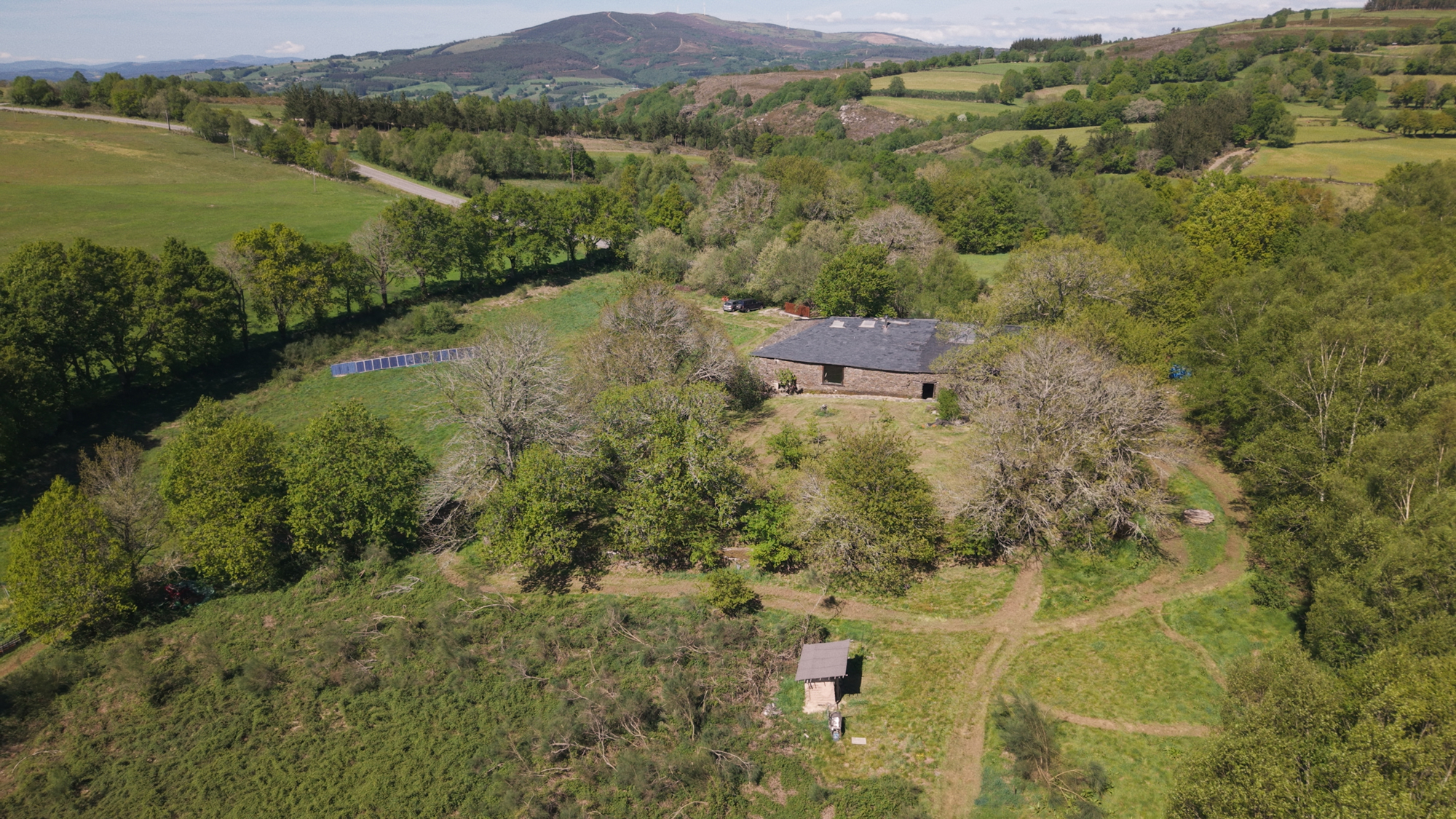
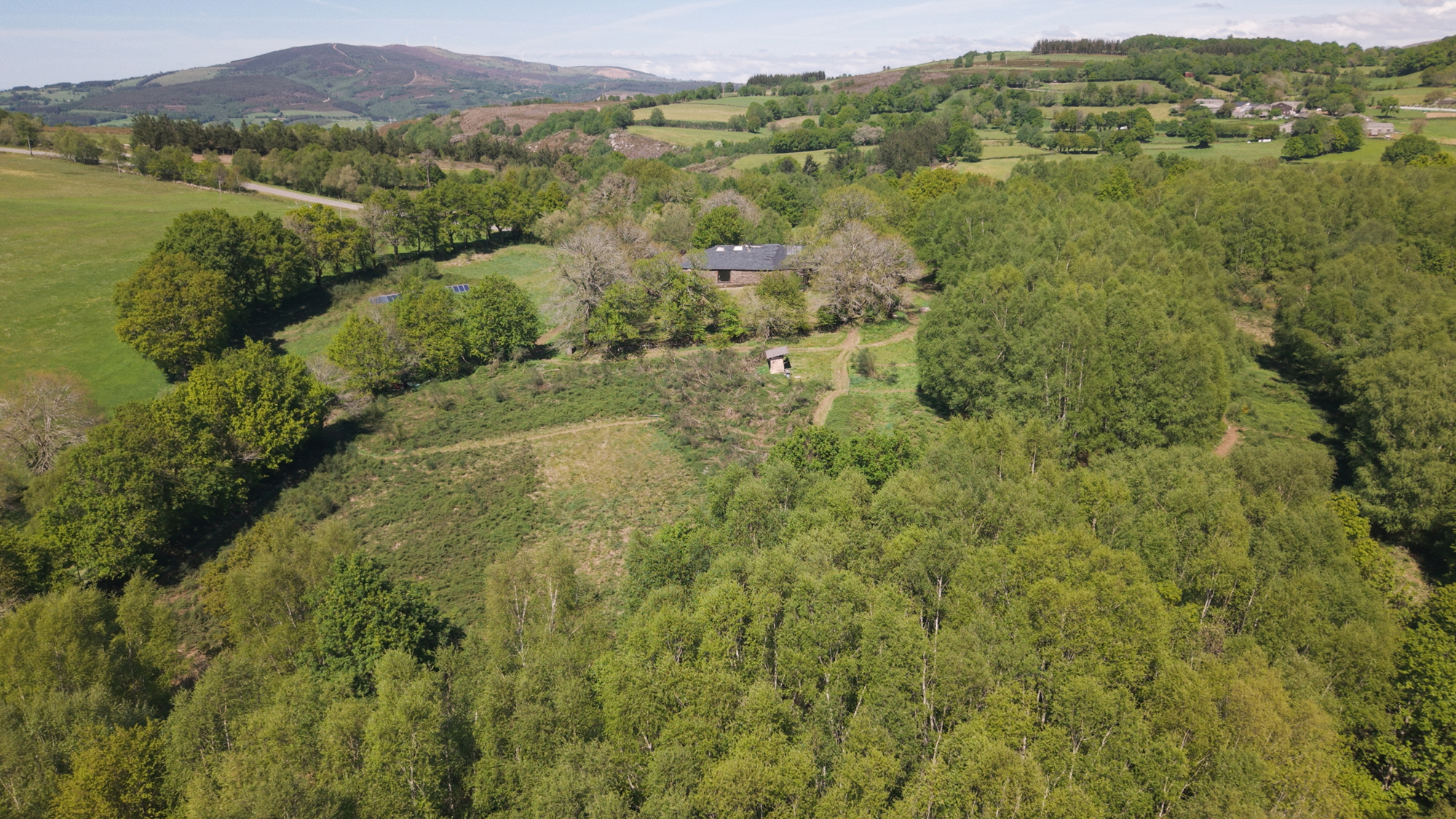
This property is located in the municipality of Samos, just 6 minutes from the monastery of San Xulián, the oldest inhabited abbey in Spain, and 16 km from Sarria. It is accessed via a road with beautiful views of the valley, and the Camino de Santiago Francés passes 3.5 km from the estate. The entrance gate is electric and the driveway runs over grass.
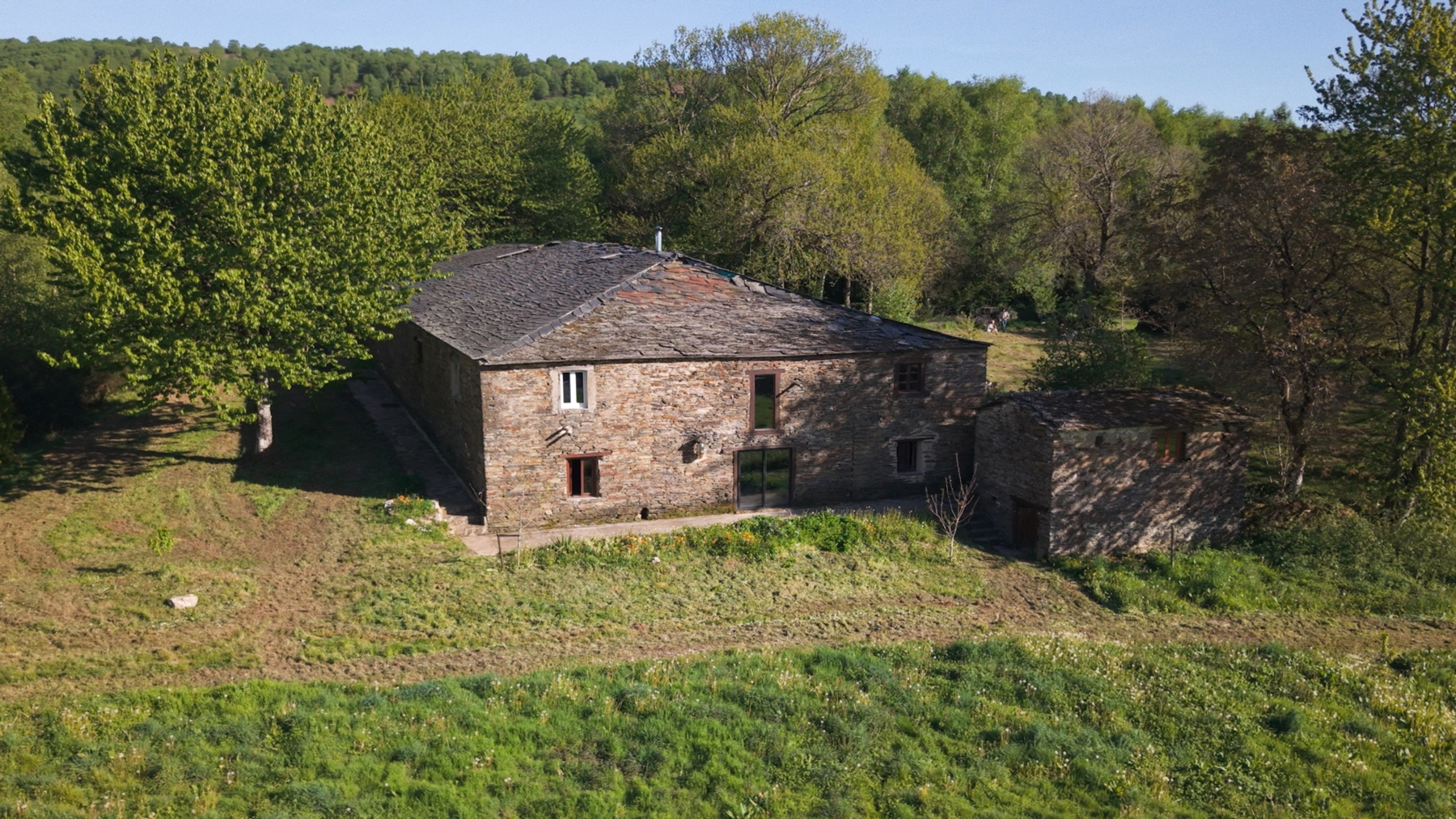
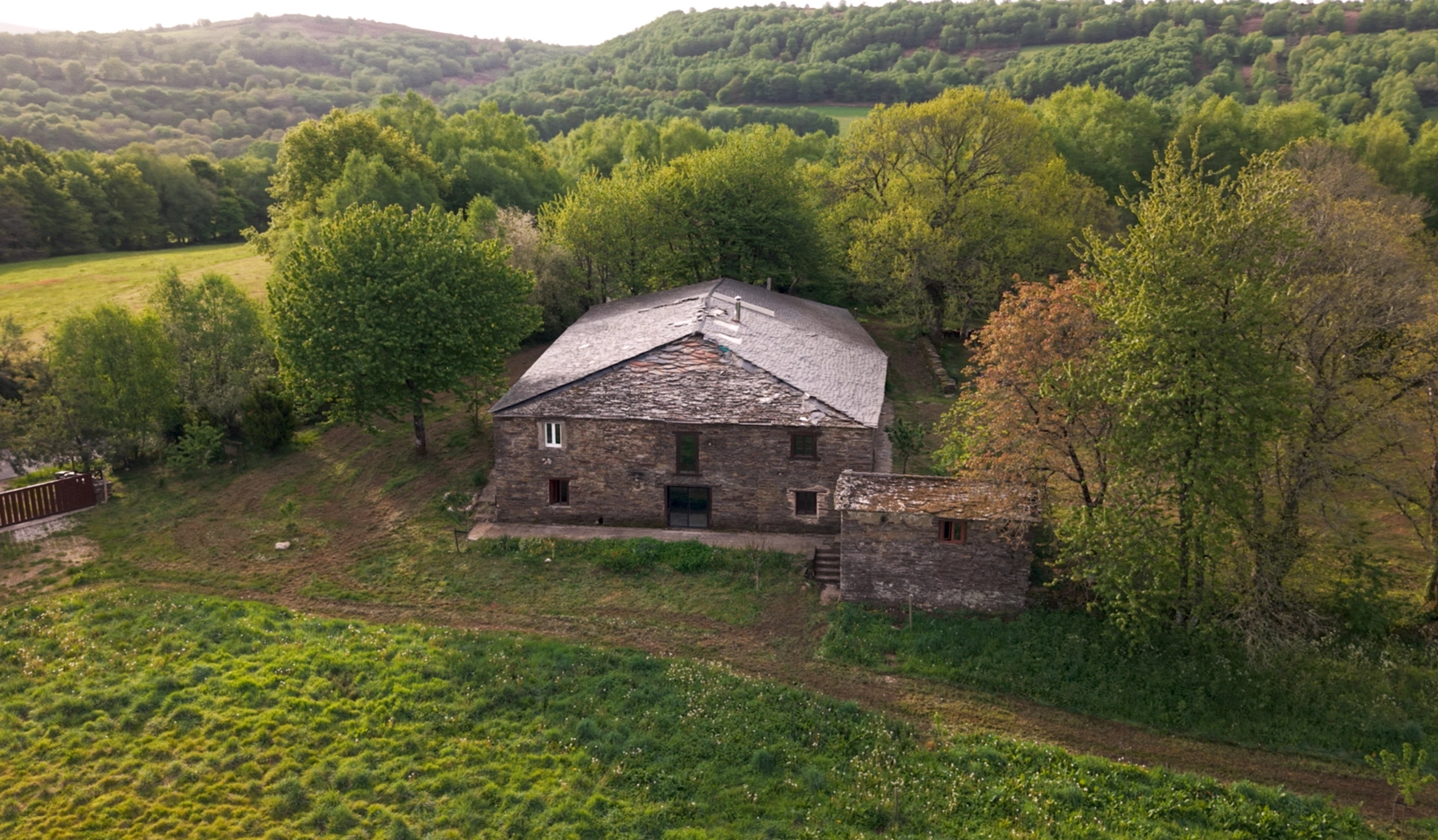
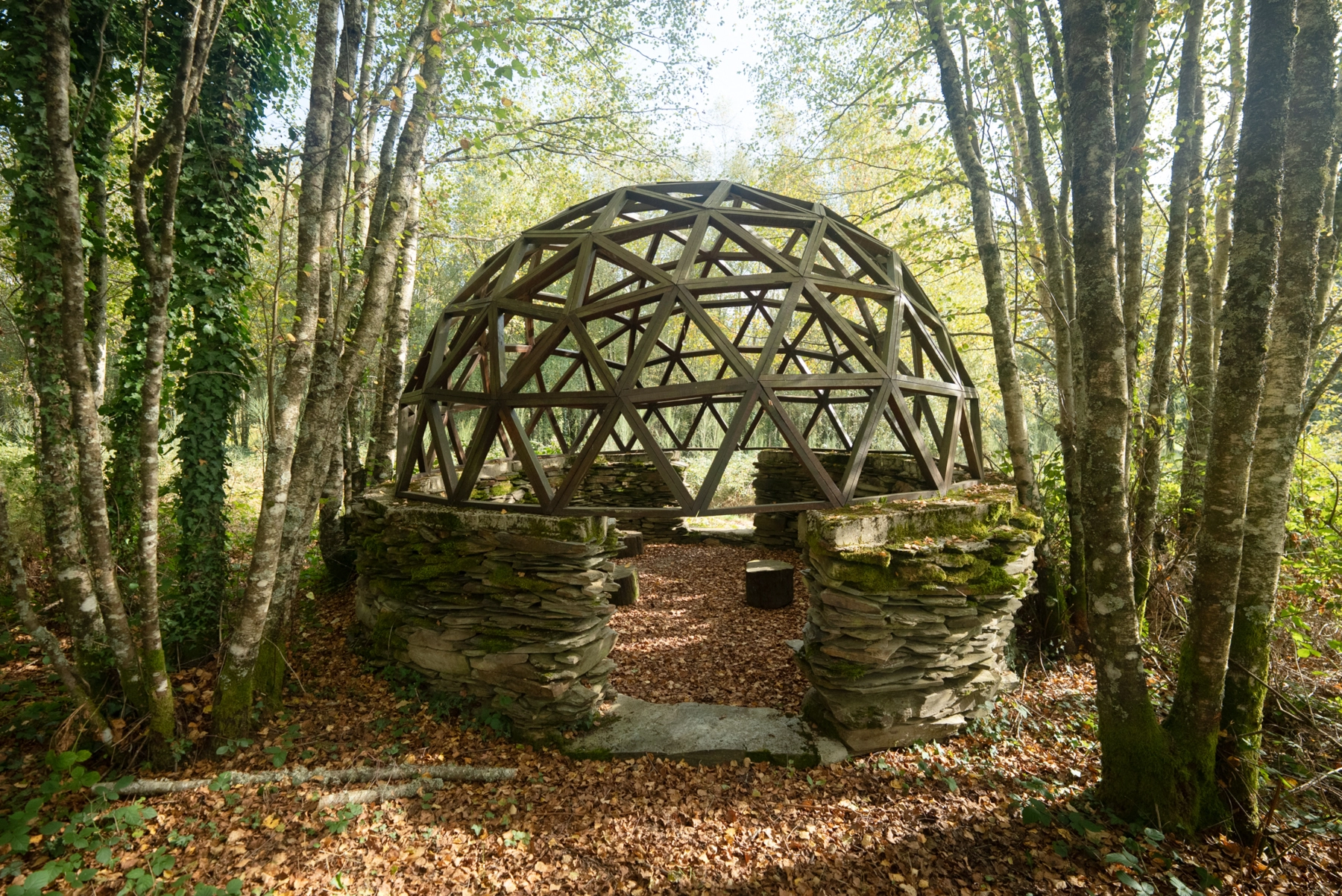
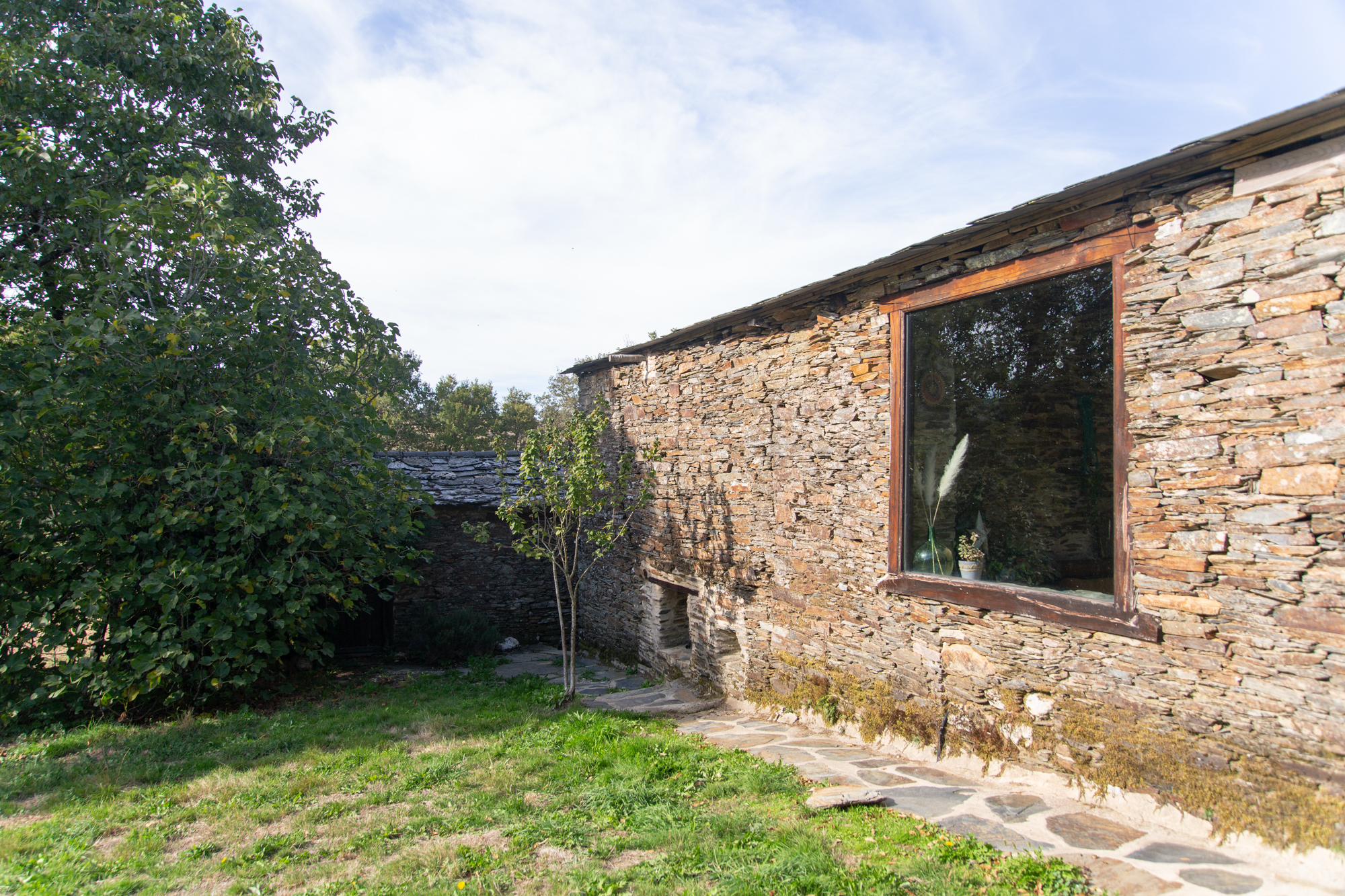
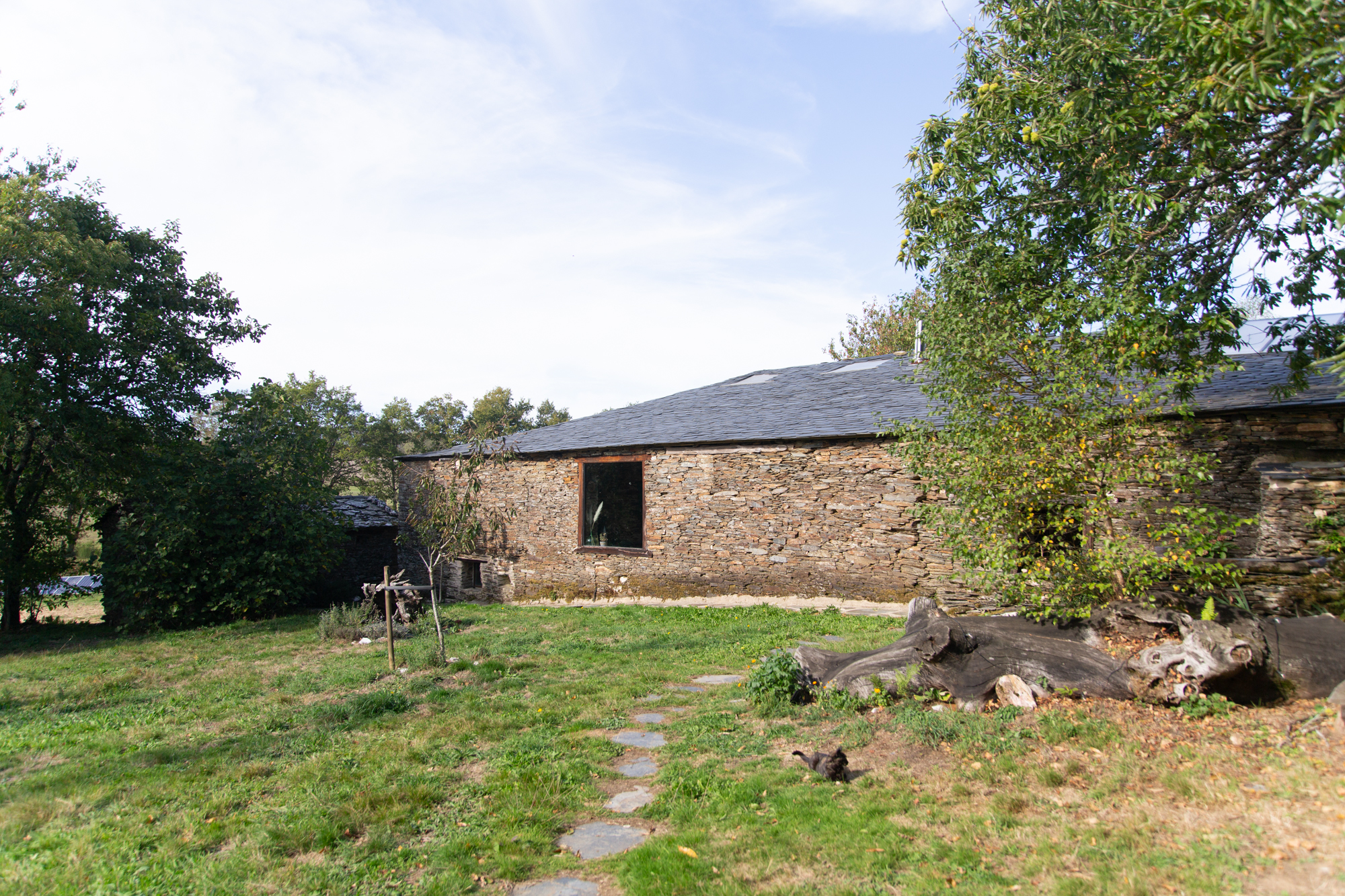
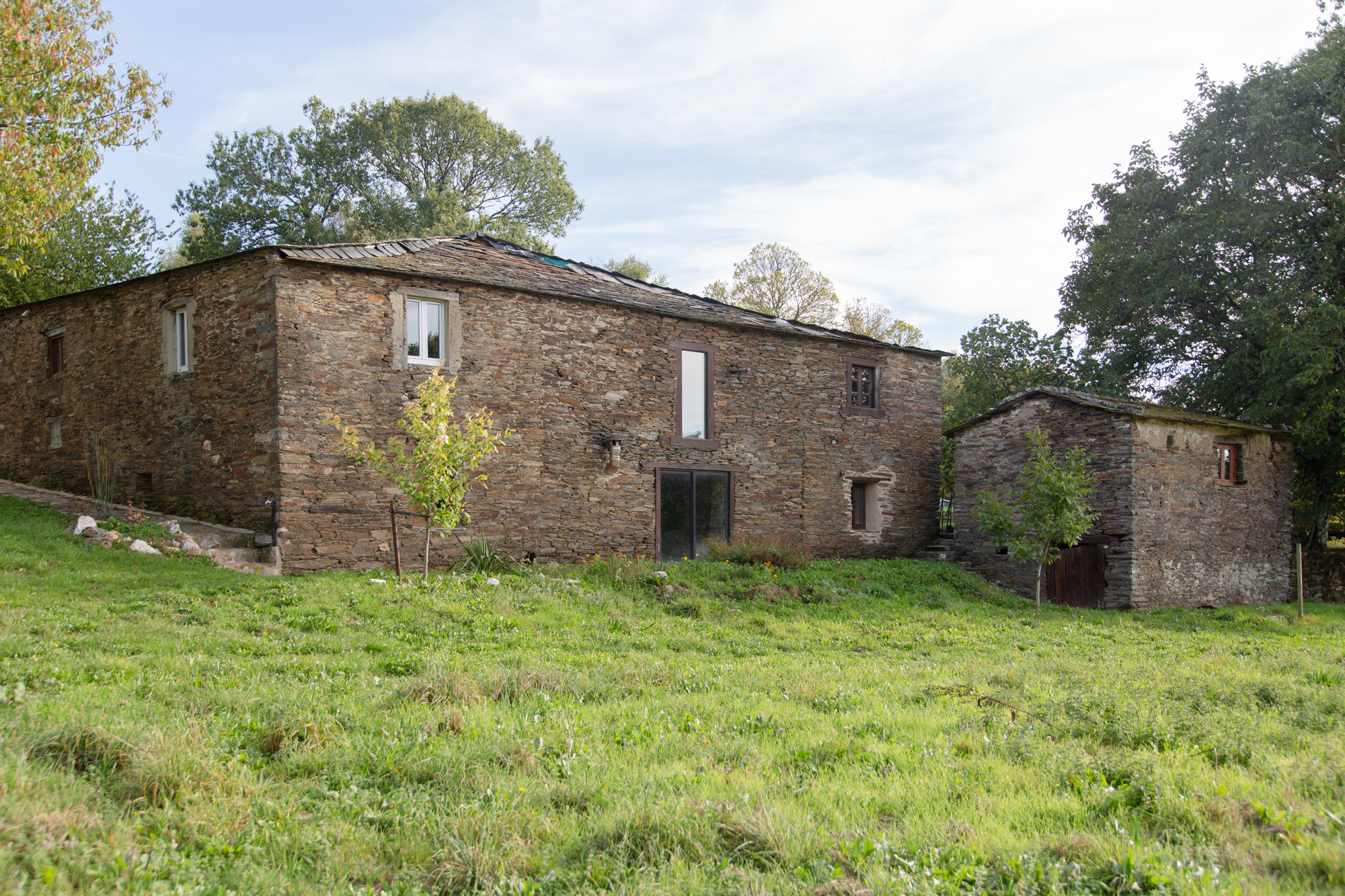
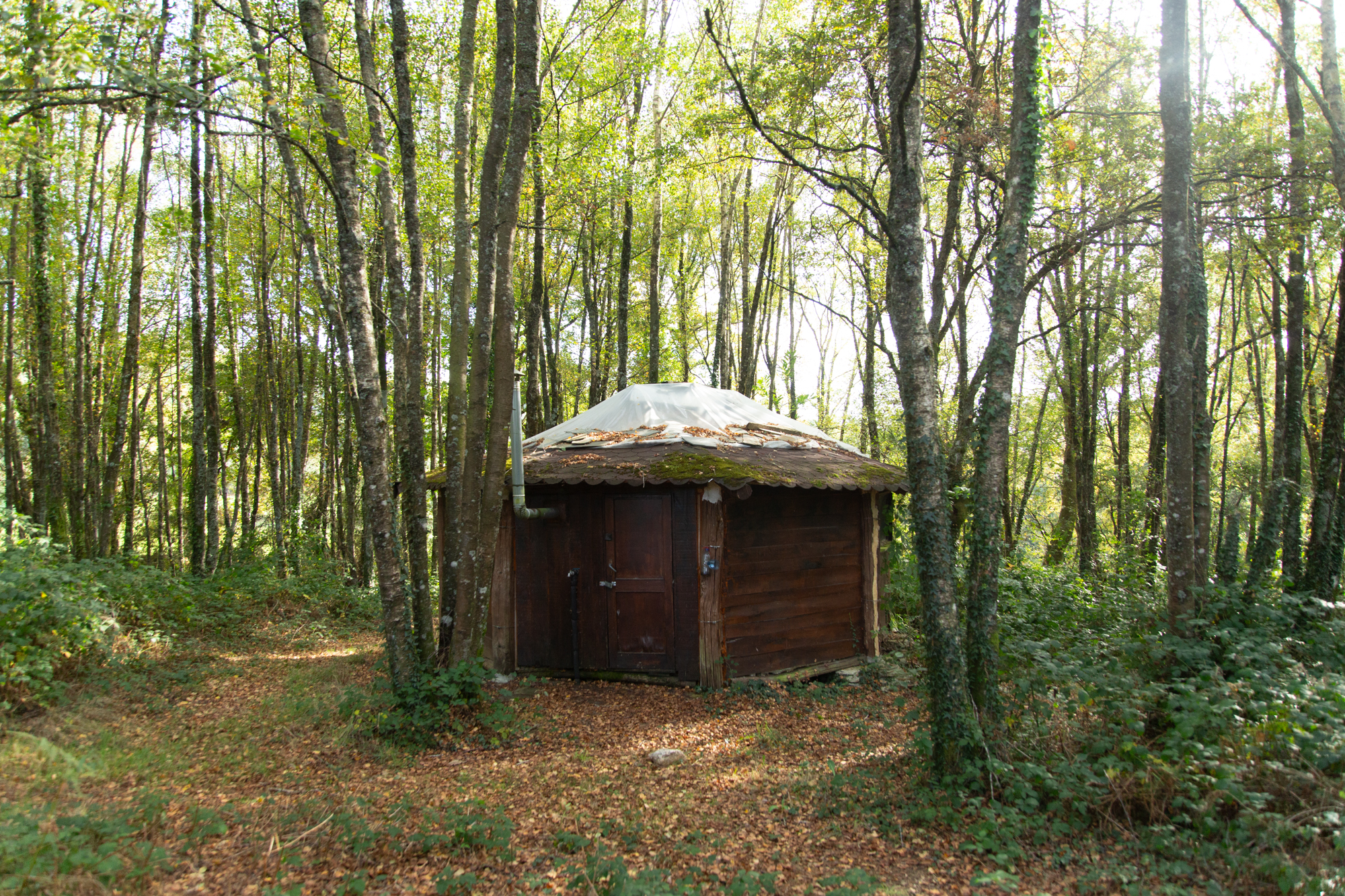
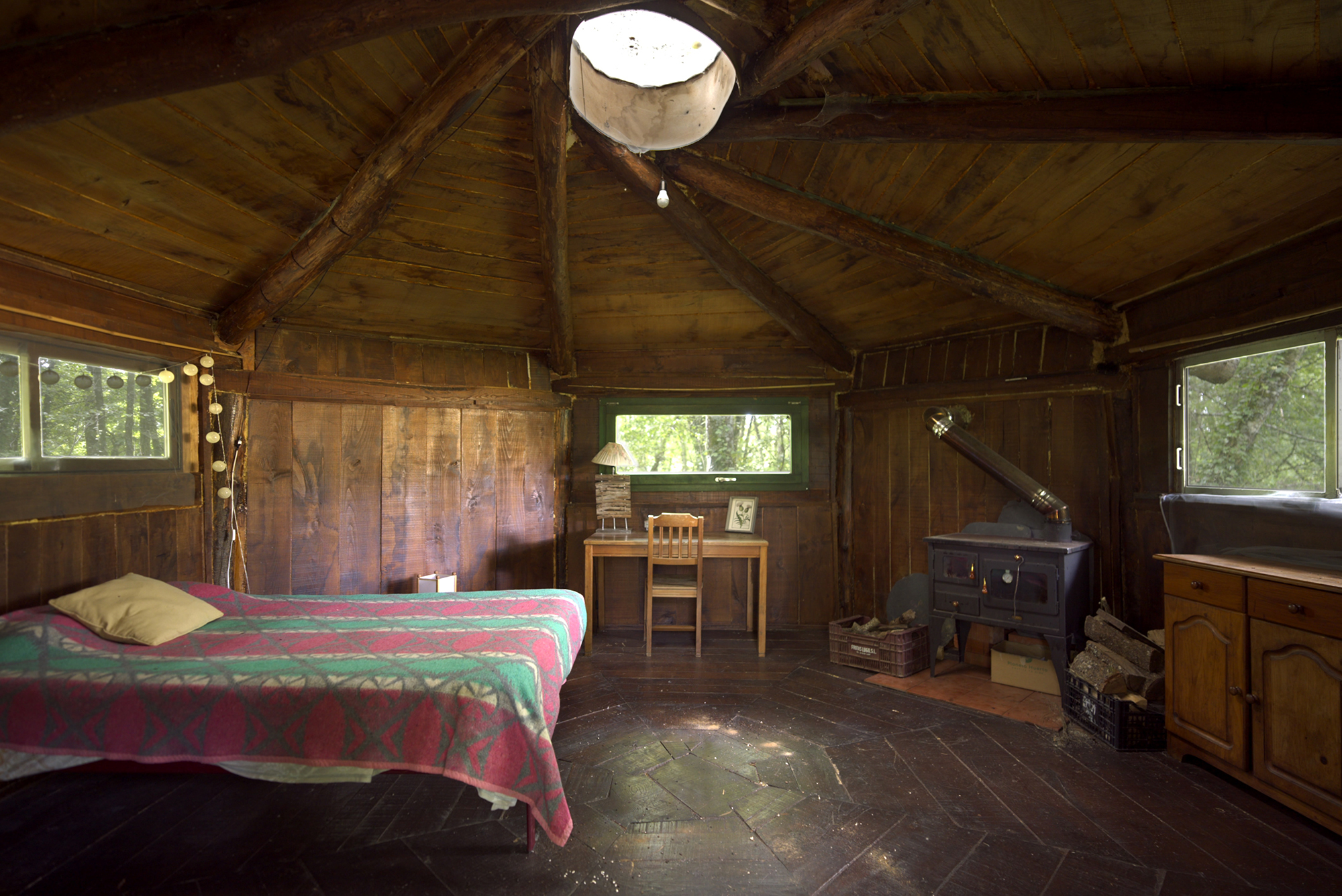
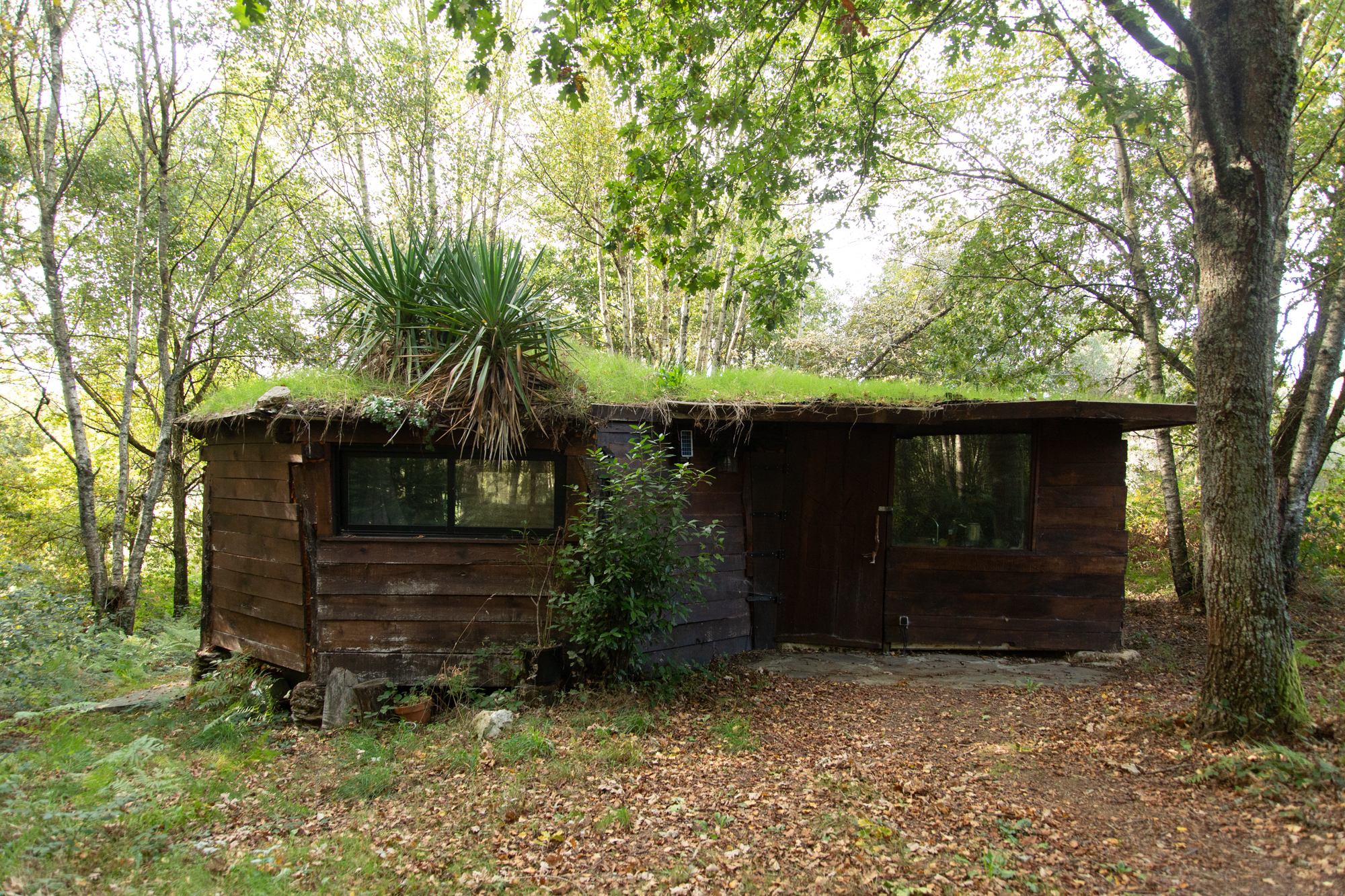
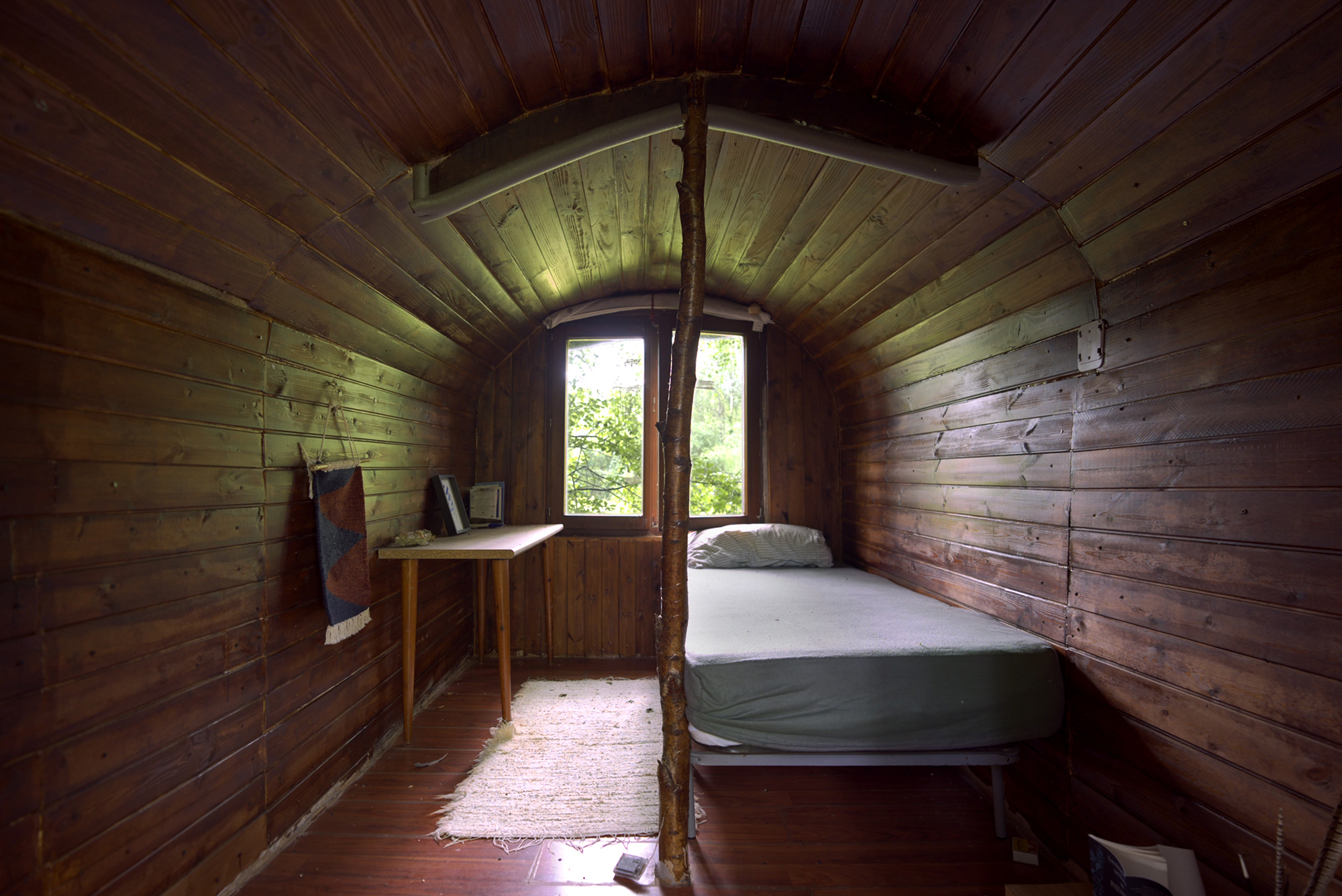
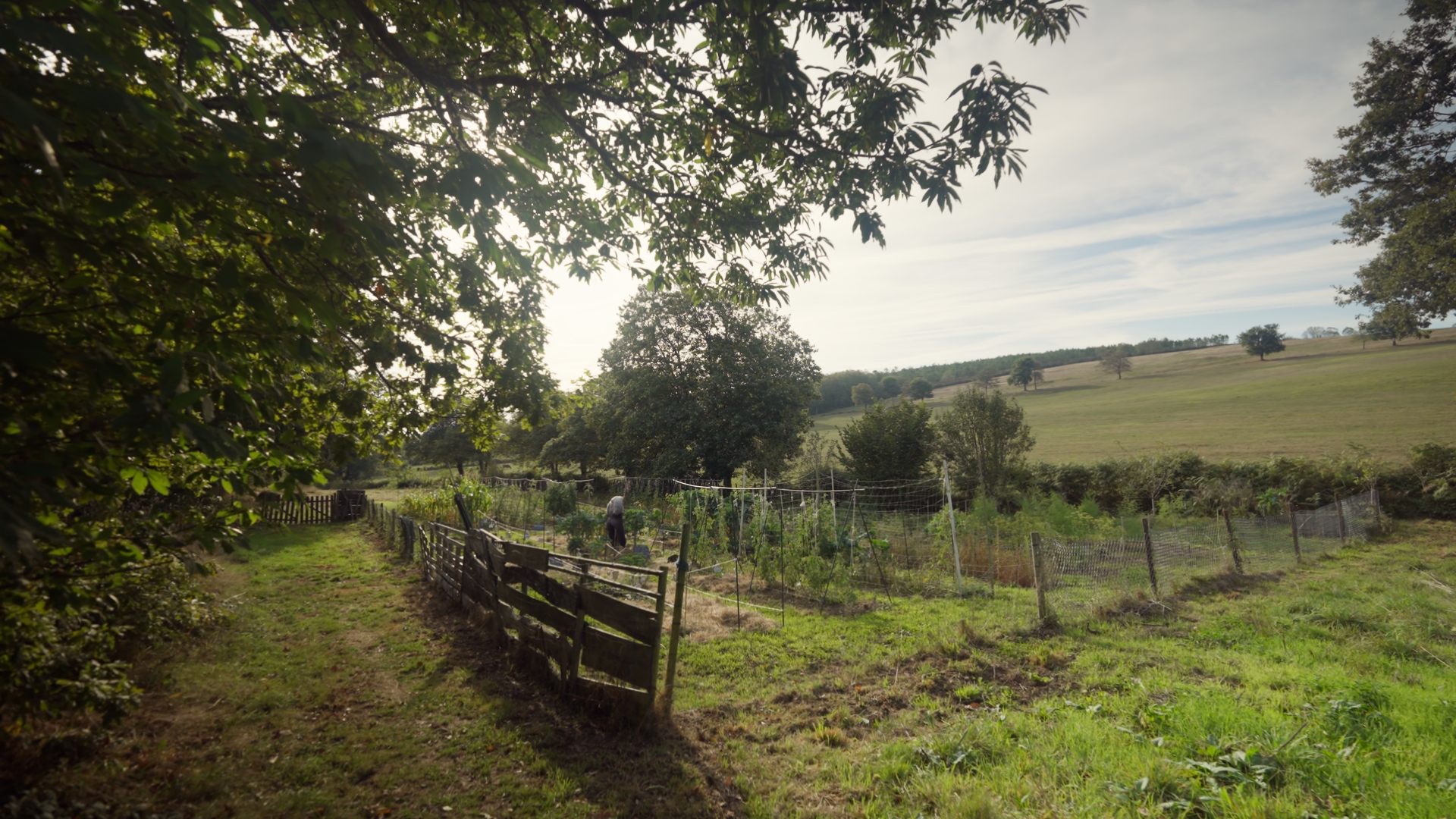
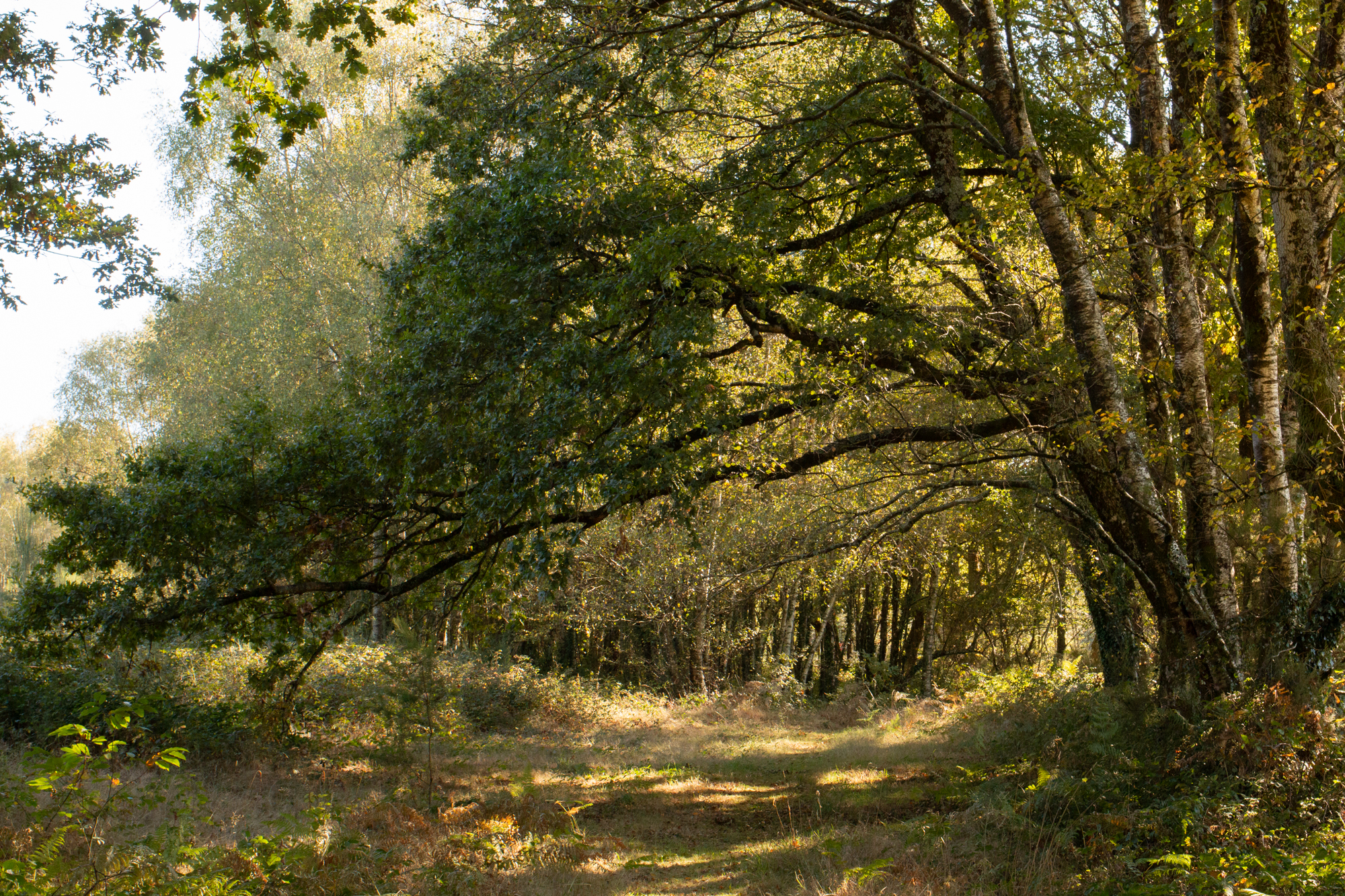
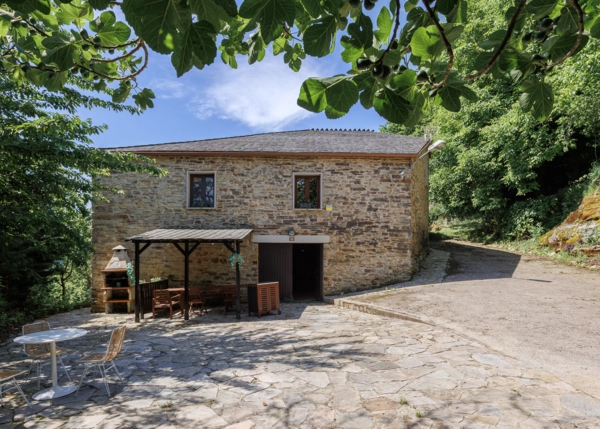
The estate comprises a single plot of 34,375 m² with a remarkable variety of environments: an area of mixed trees, a large walled organic kitchen garden and areas of meadow and woodland. Dotted across the plot are 4 wooden cabins with dry toilets and electrical installations, blending into the natural surroundings. The property also includes a traditional Galician threshing floor. The house was formerly the country residence of the monks of Samos monastery.
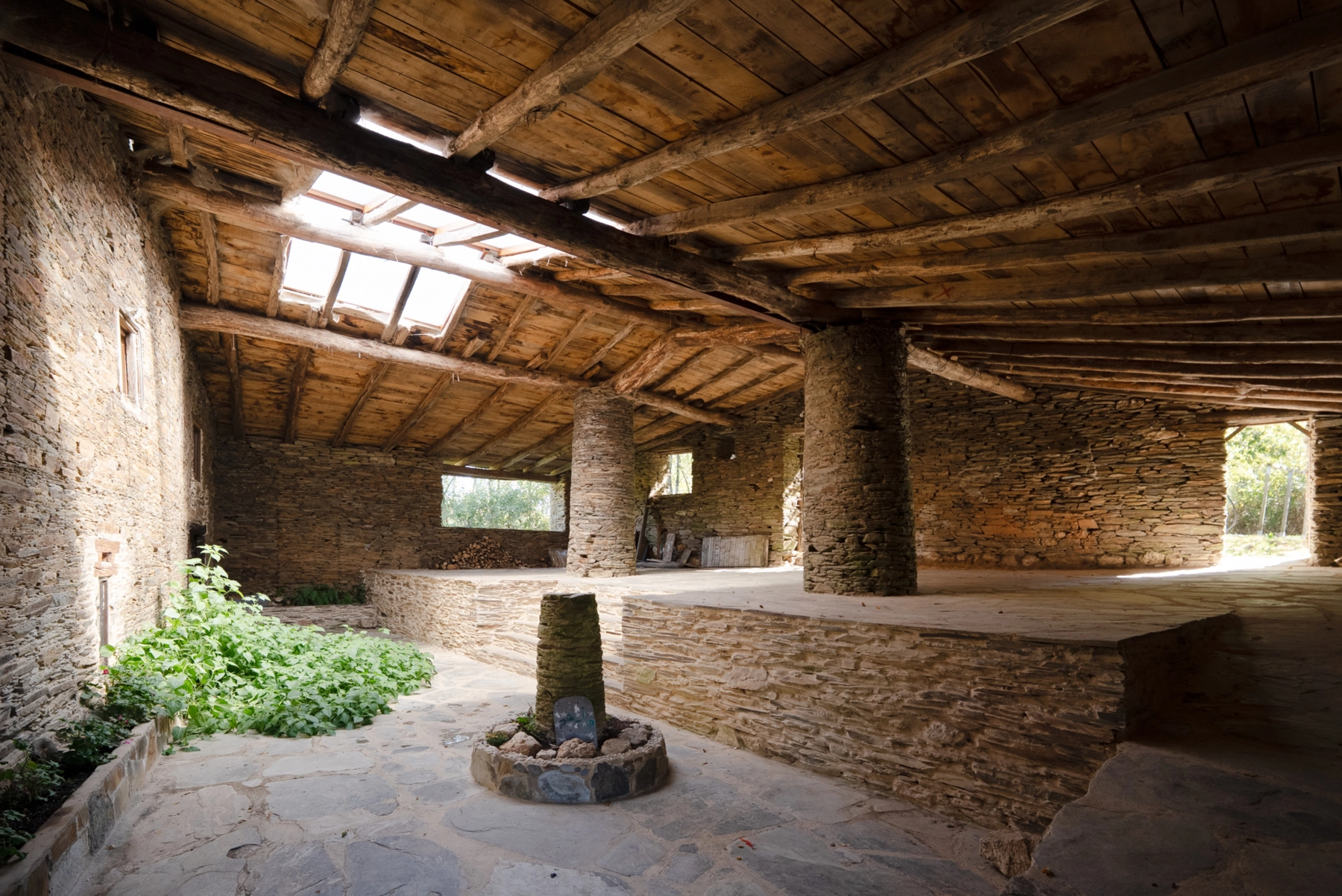
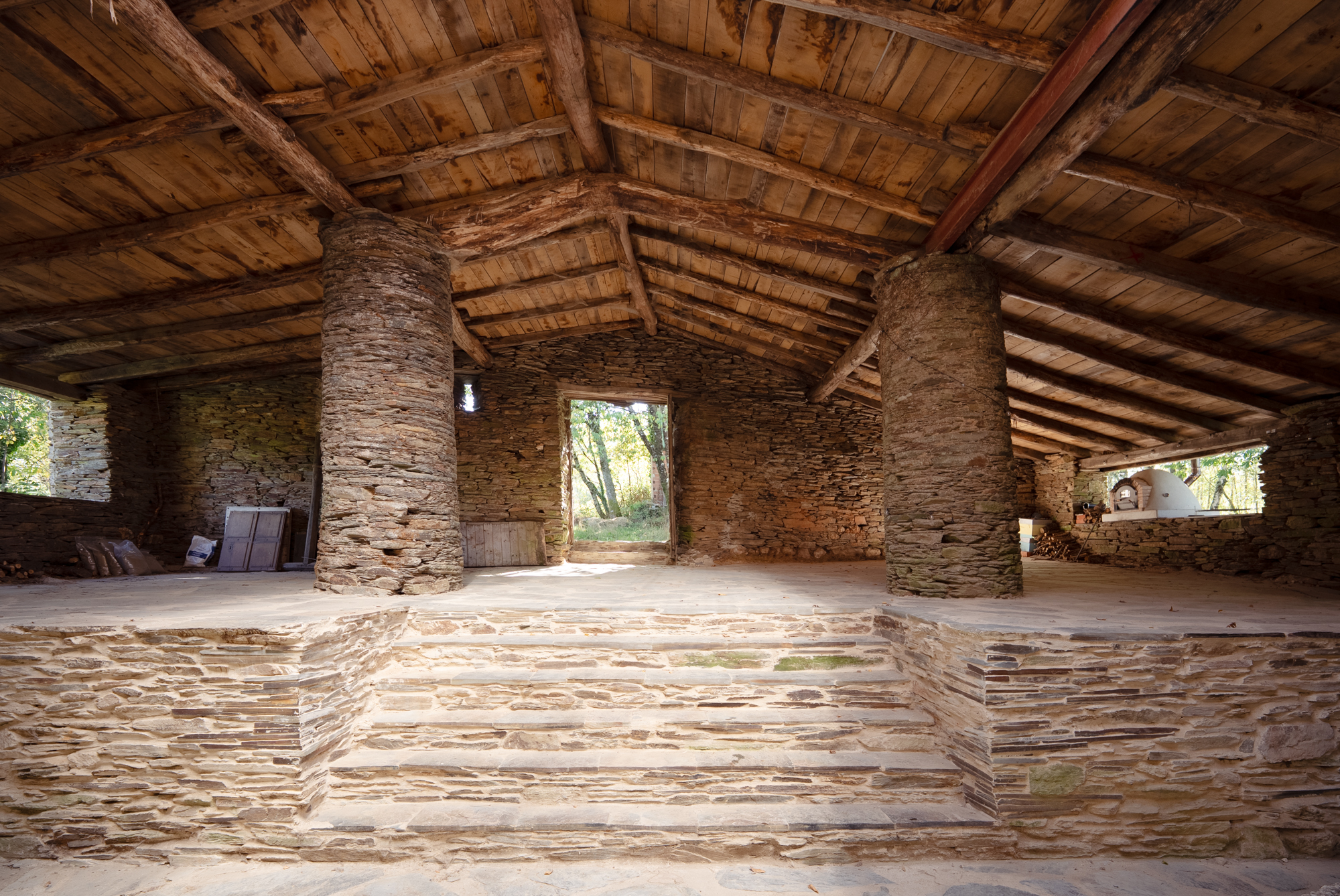
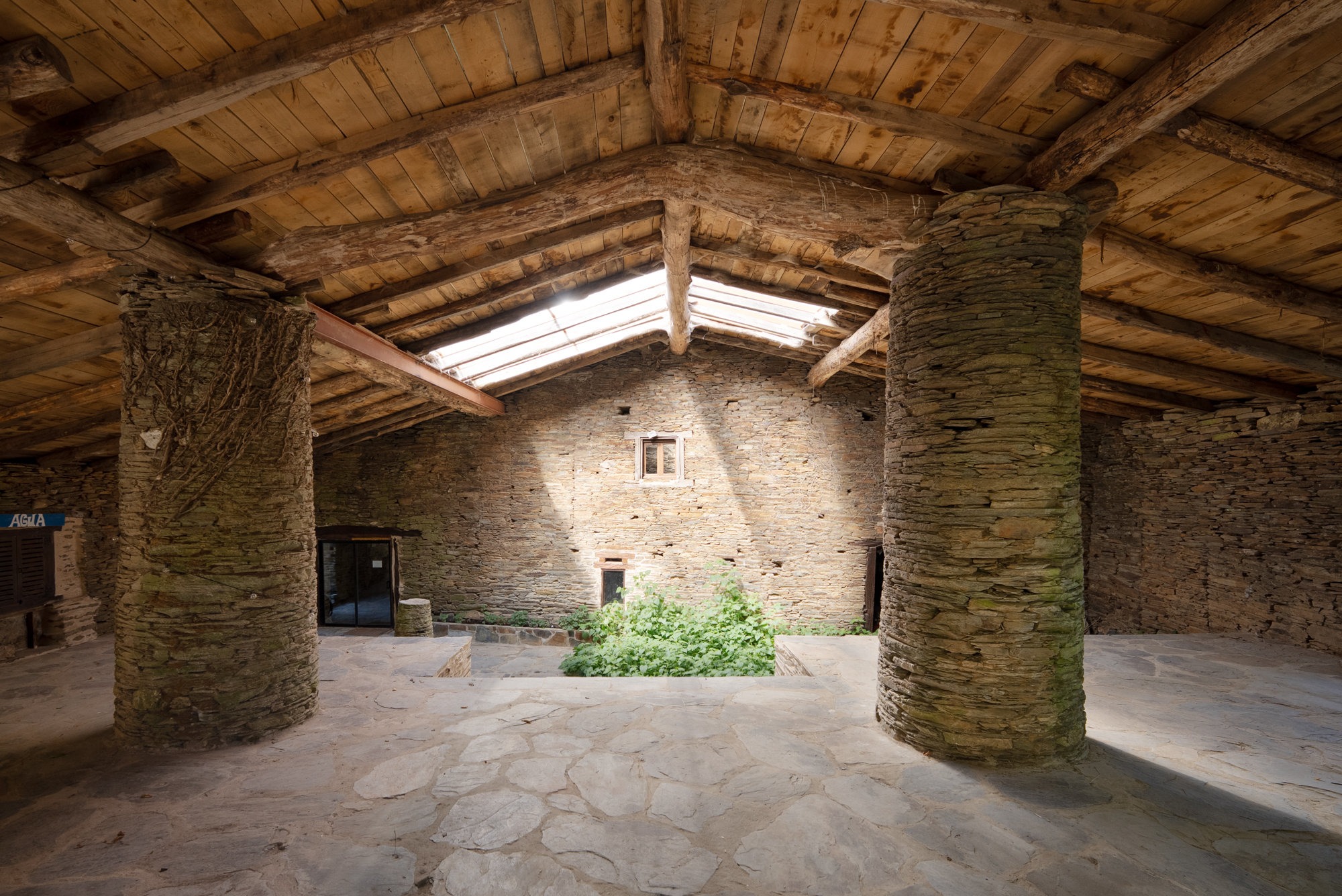
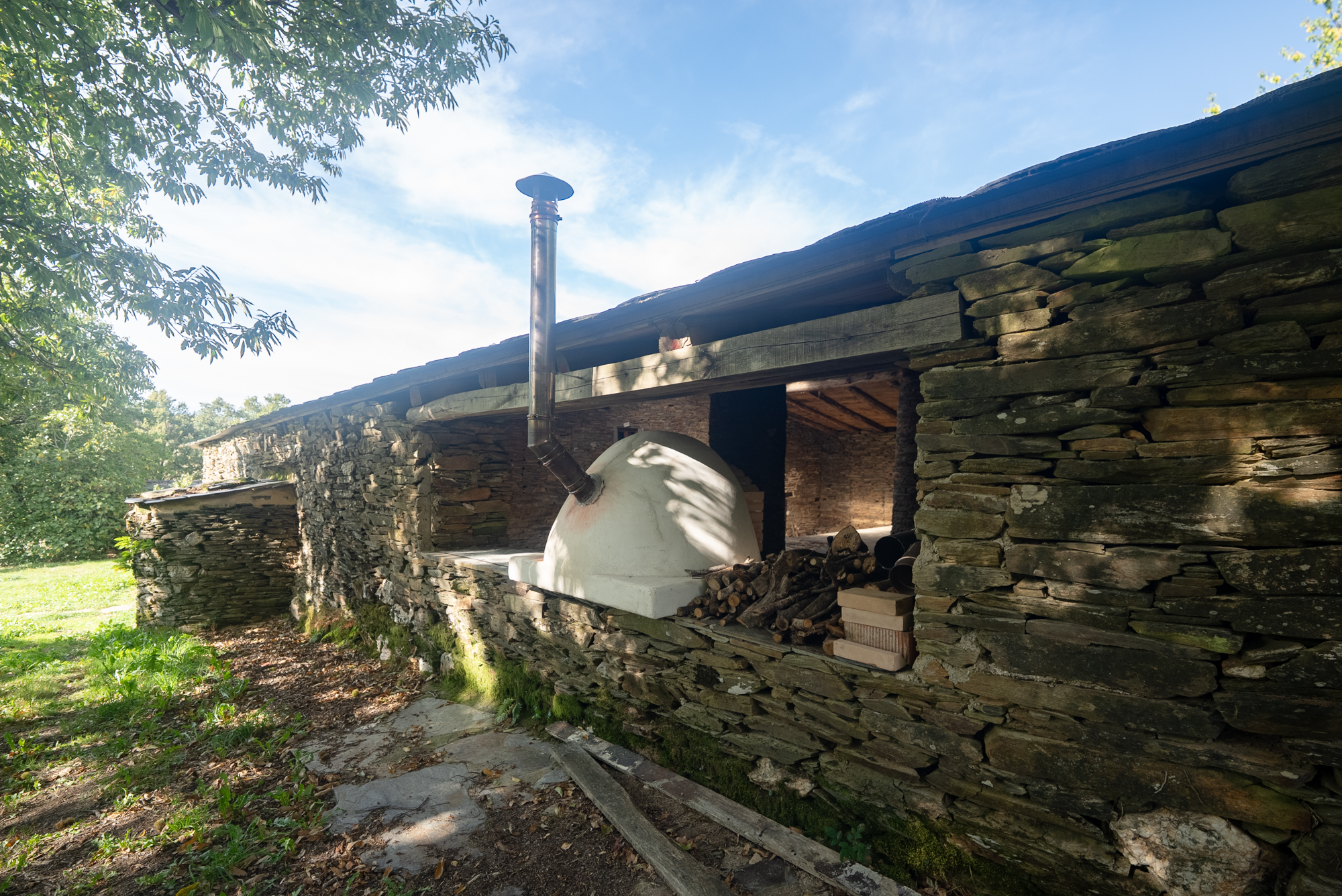
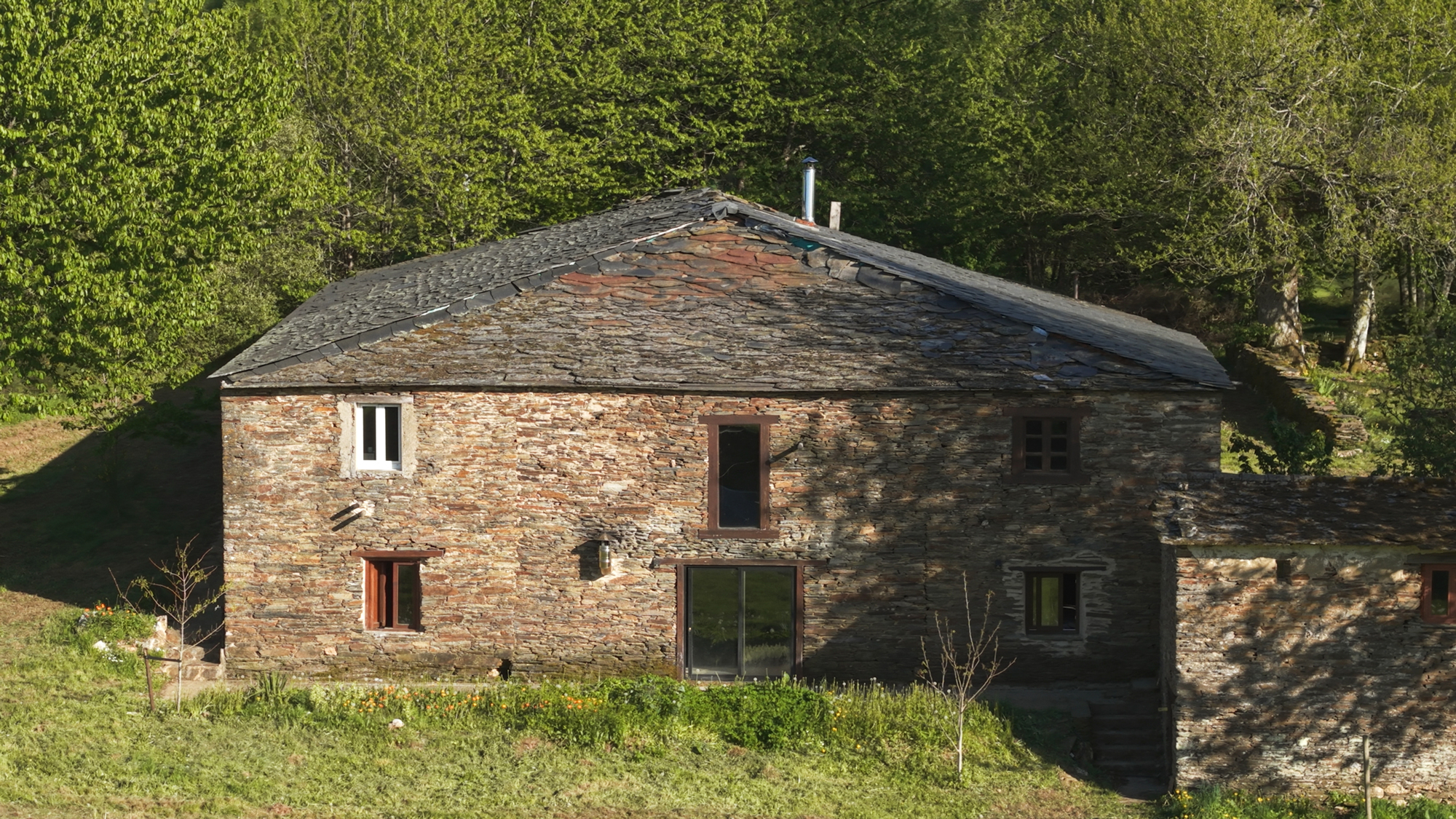
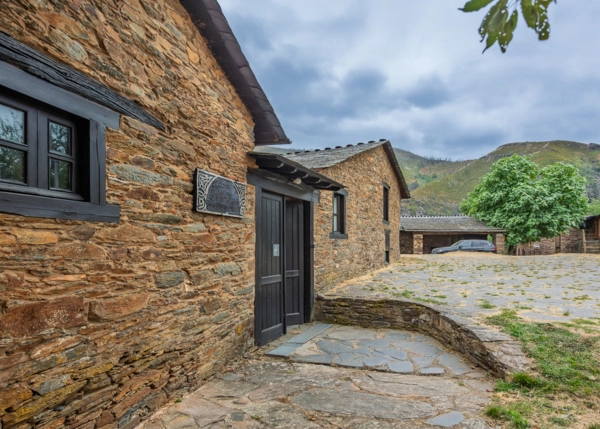
The main house is a large stone building with a singular layout. It is entered through a large covered stone courtyard, presided over by two imposing cylindrical columns and with two heights, which has two accesses from the outside and connects independently with the ground floor and the upper floor. This singular space, with its timber beam structure and stone floor, has great potential as a meeting area, communal dining room or activity space for groups.
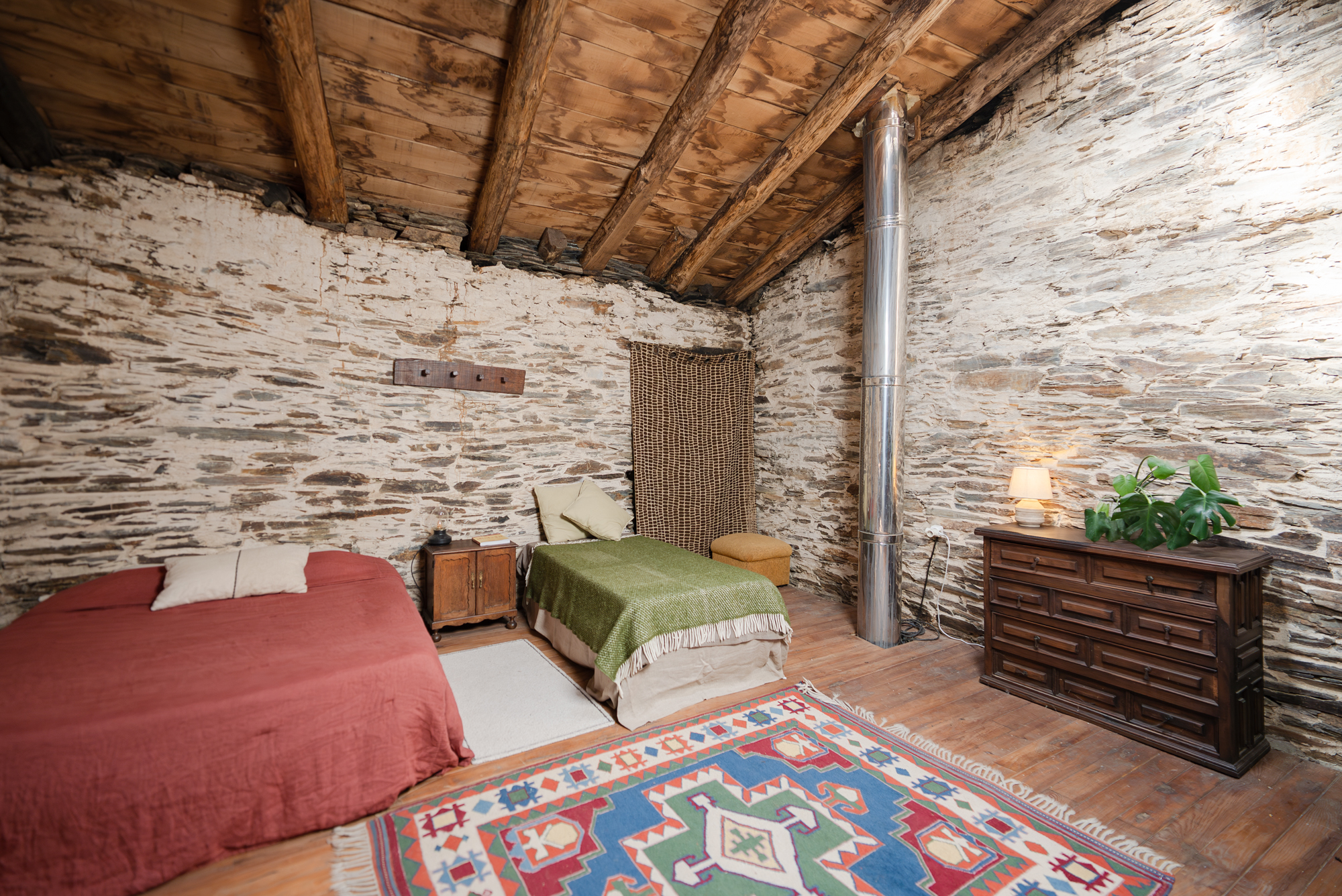
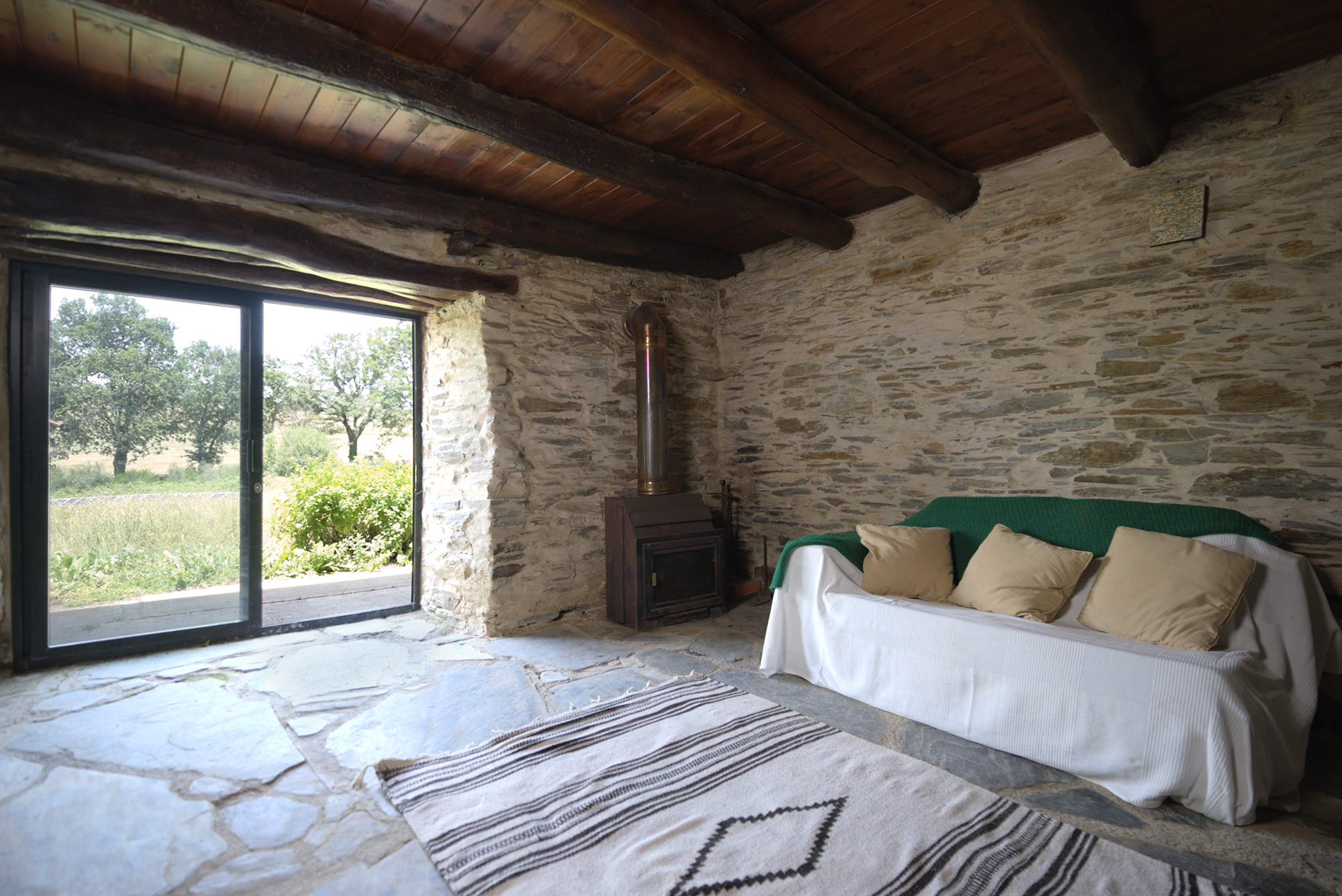
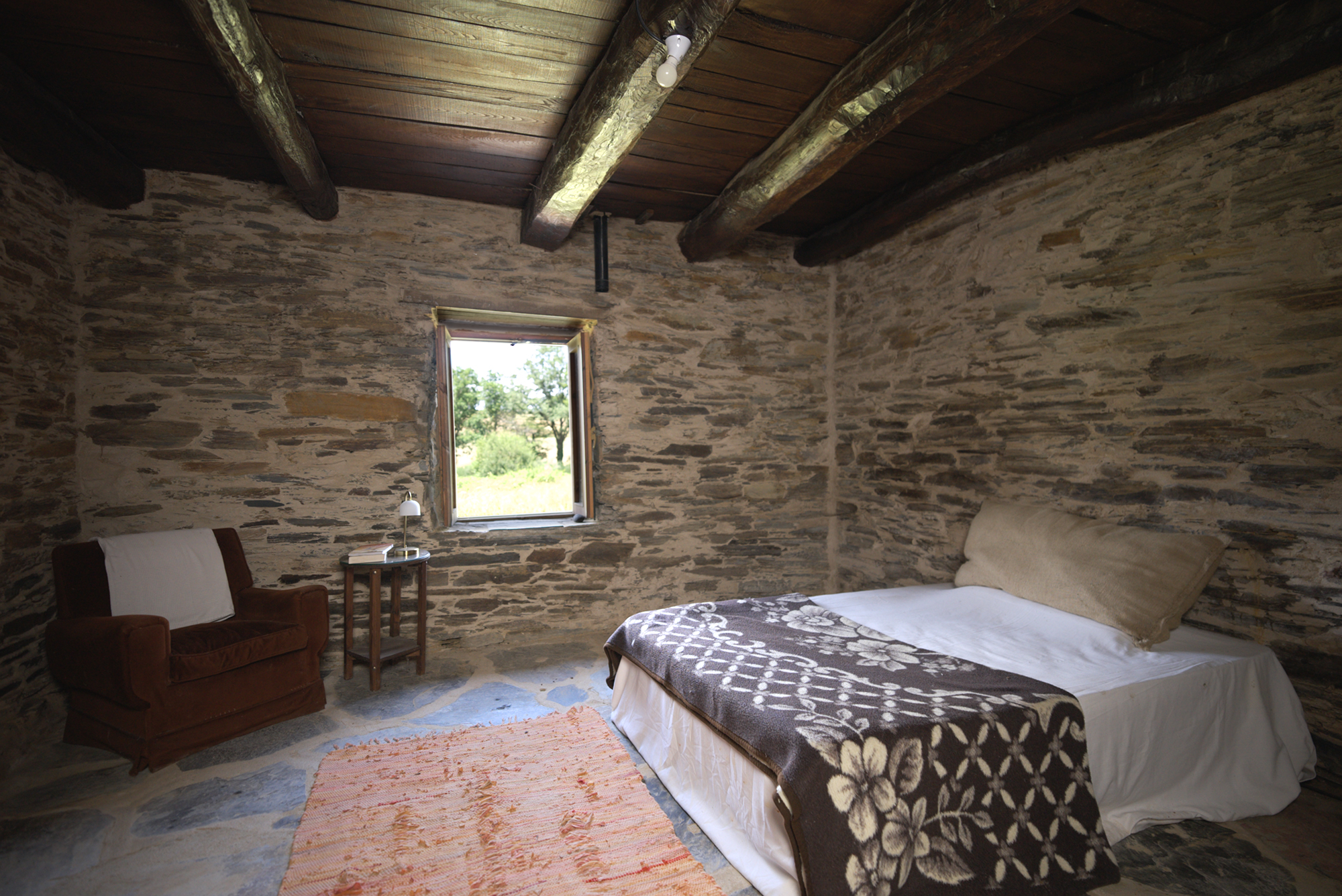
The ground floor, accessed directly from the covered courtyard, includes a technical room and a laundry and storage area. From there, a spacious bedroom with its own bathroom leads into a large living room with direct access to the garden via a glazed sliding door. This living room connects to an additional bedroom with two beds. Stone floors and walls and timber ceilings with exposed beams in good condition define the character of all these rooms.
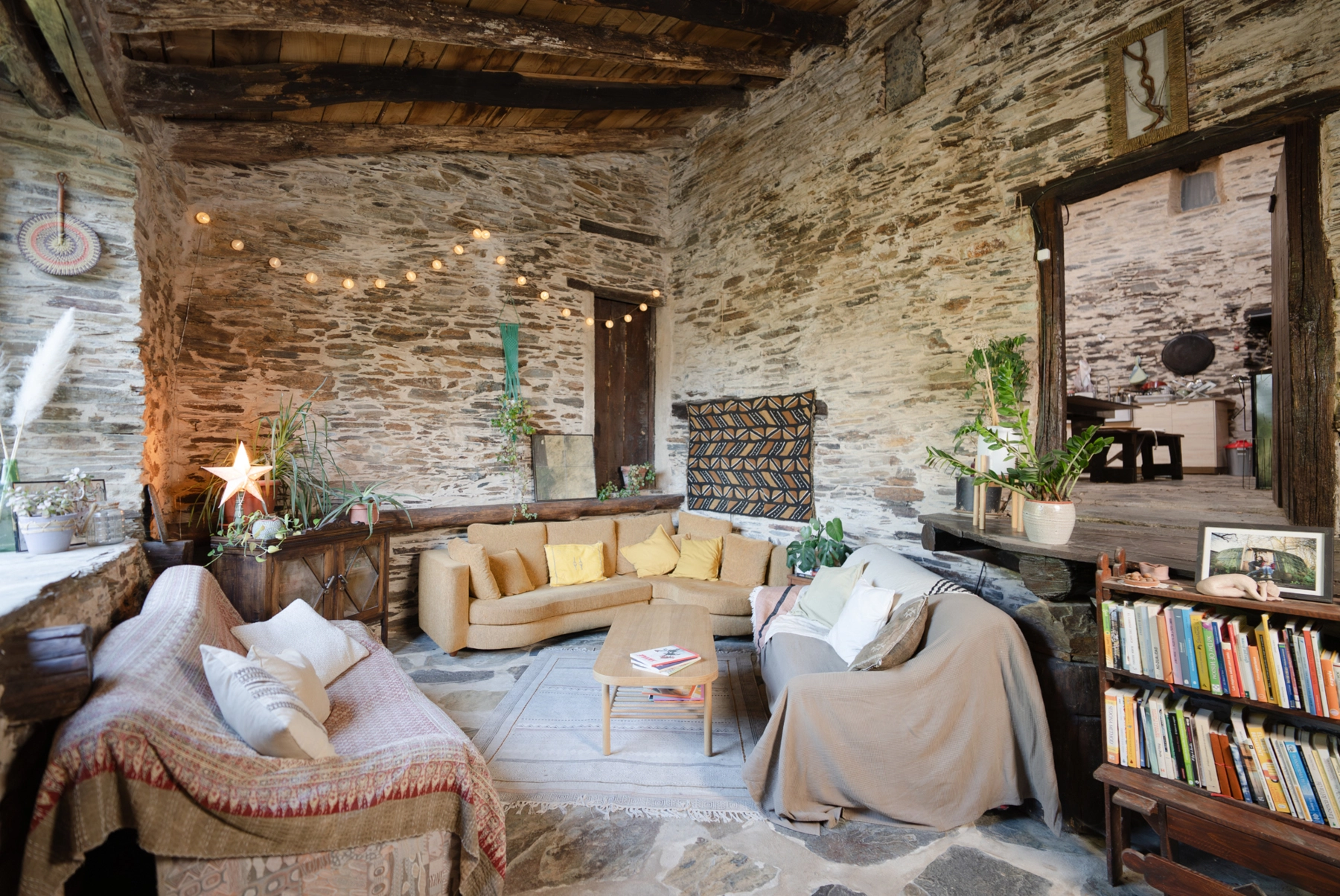
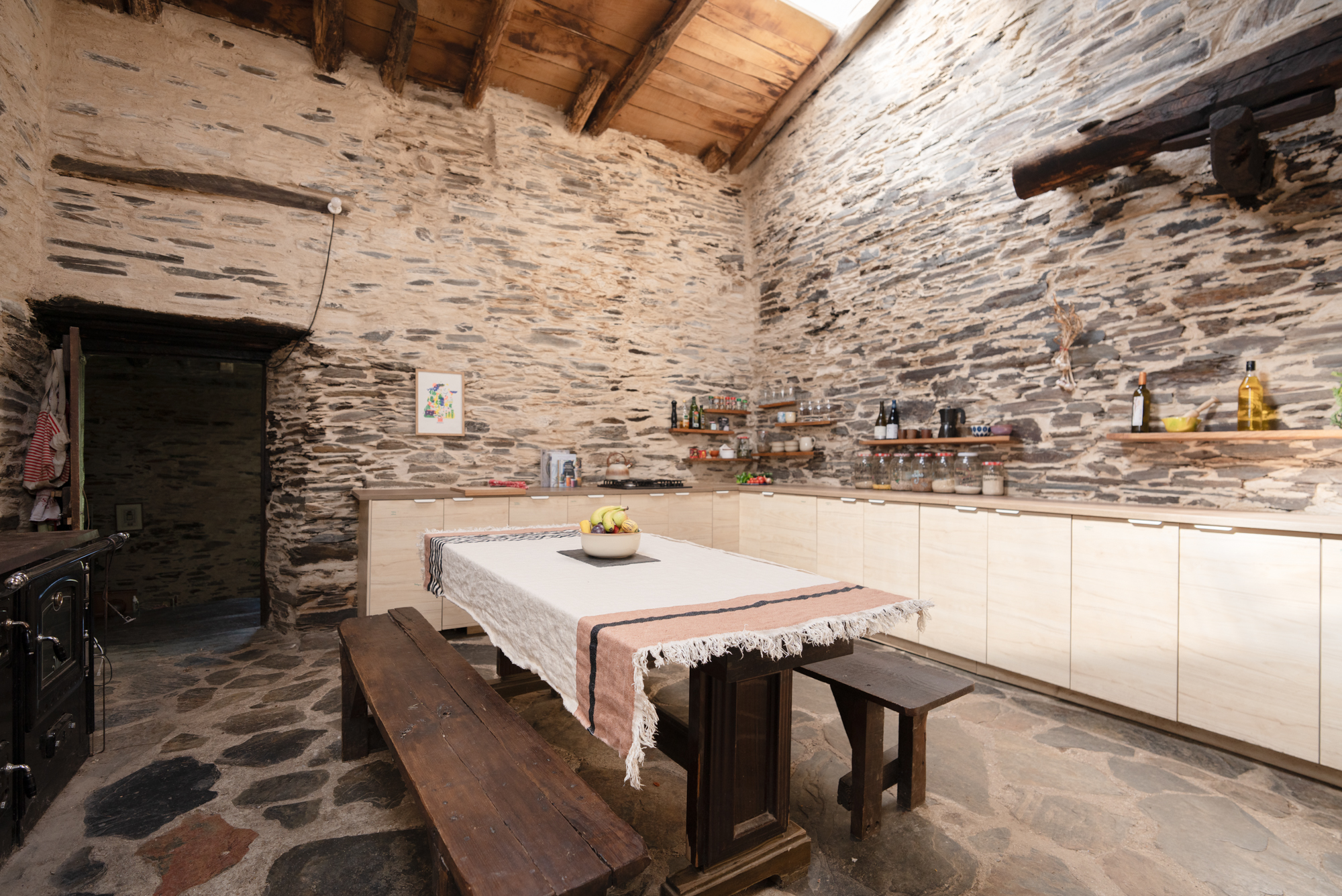
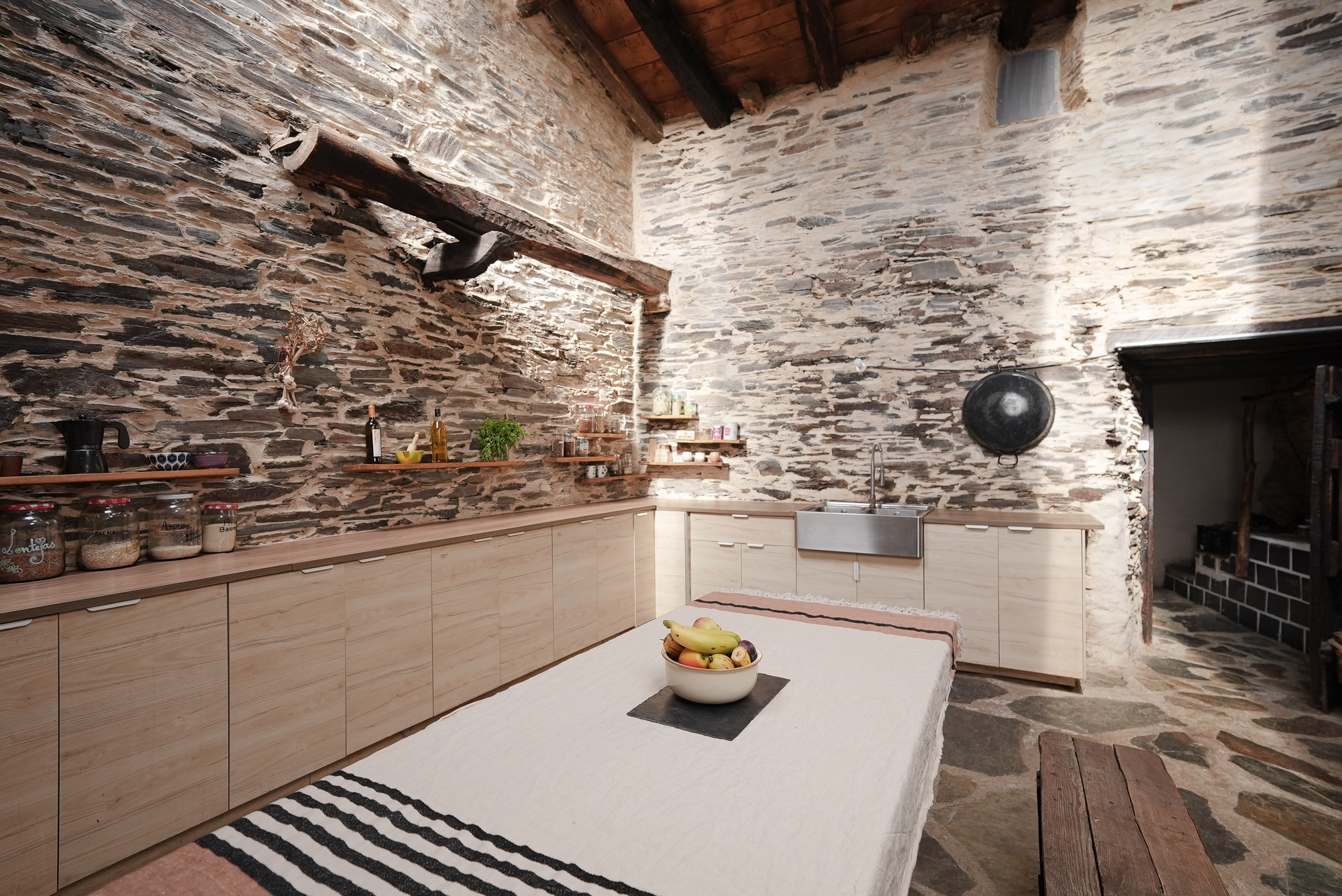
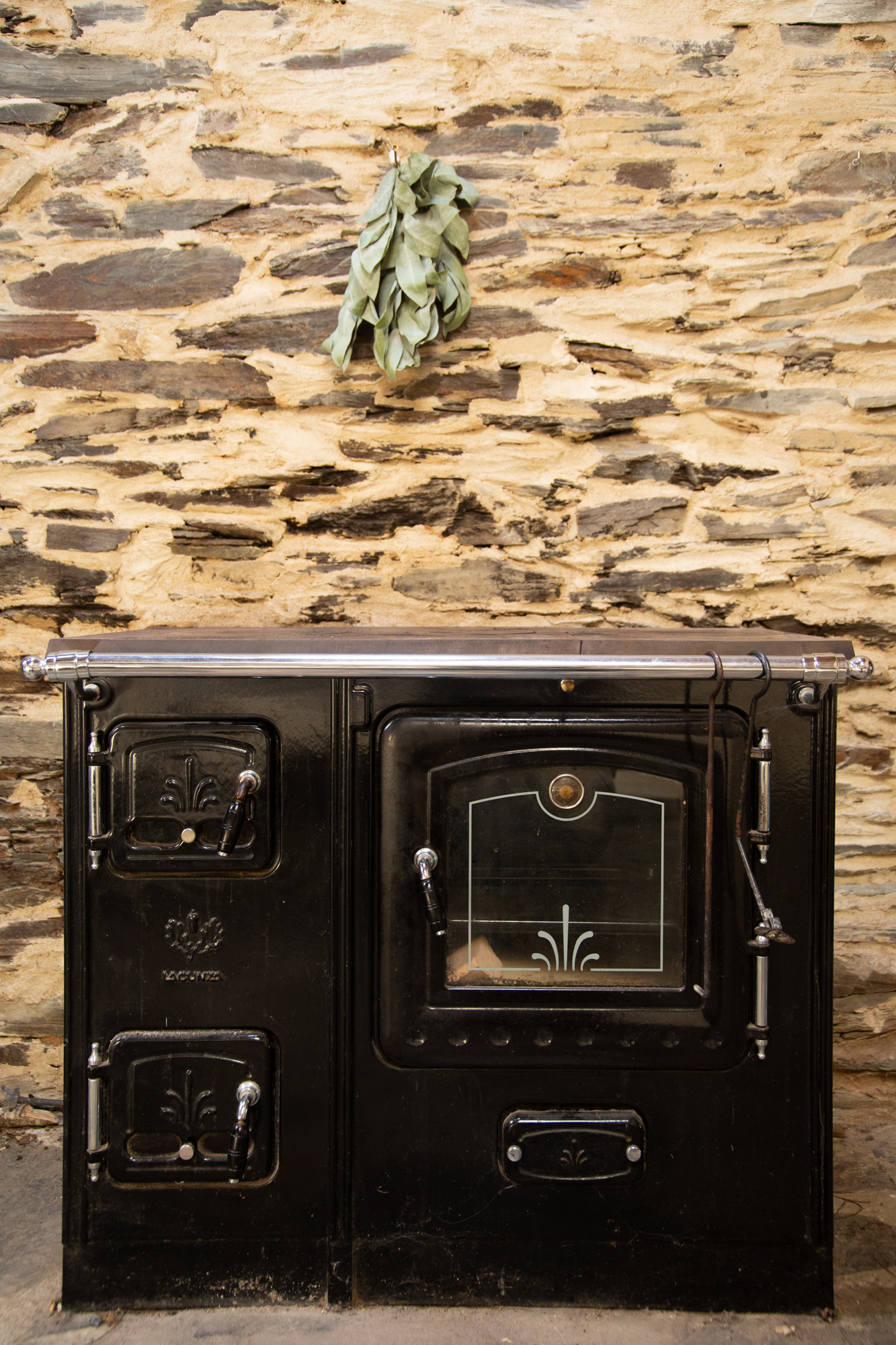
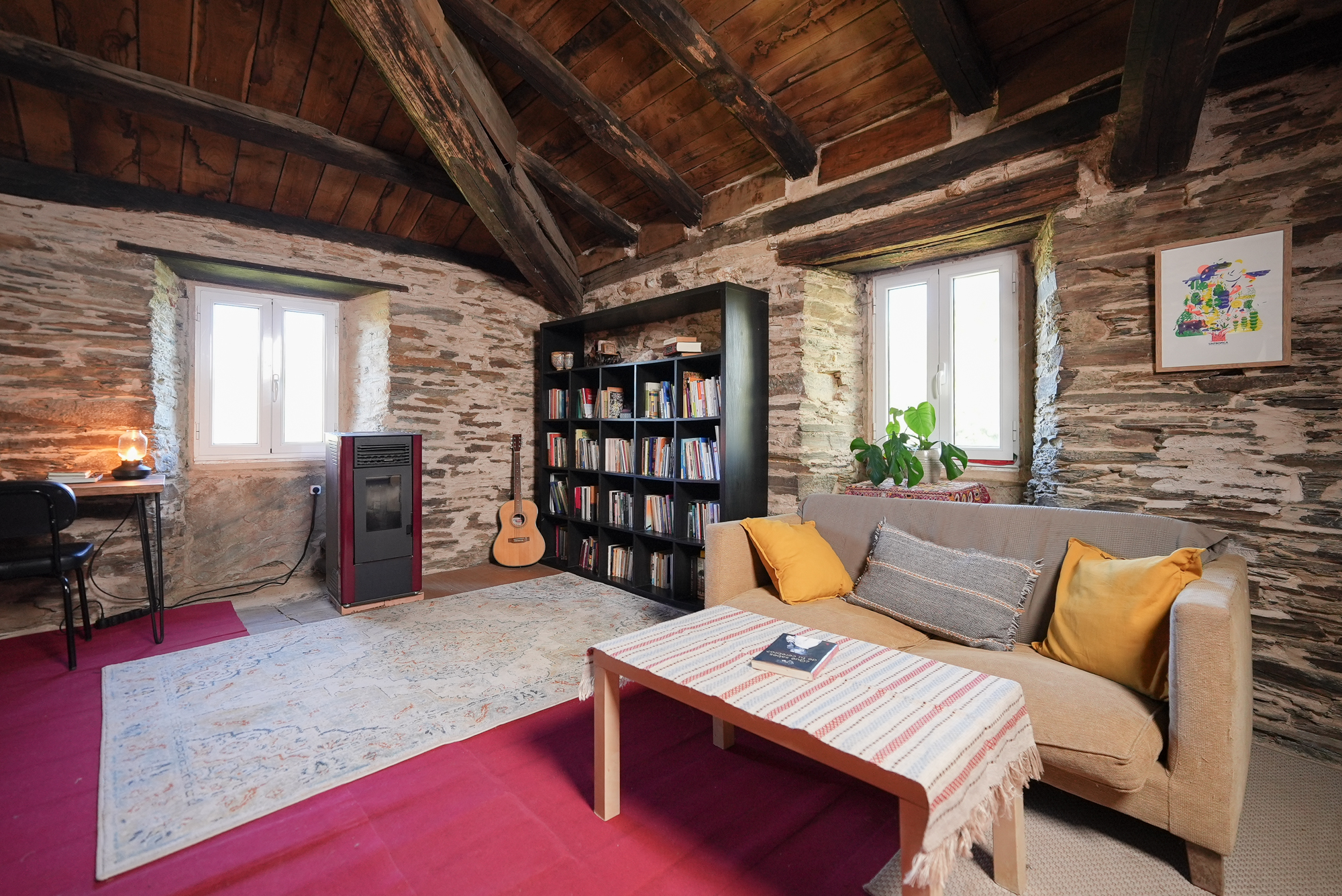
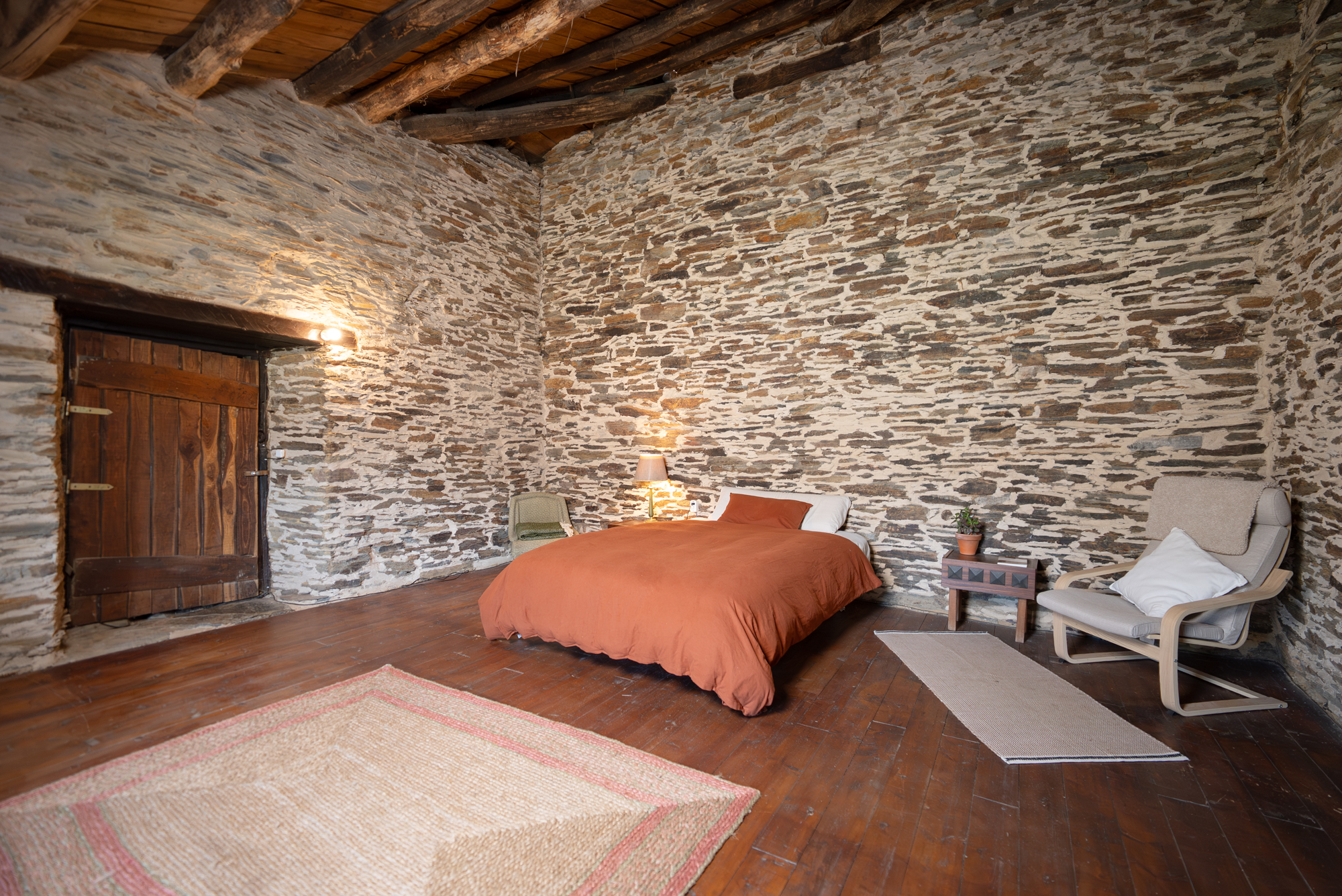
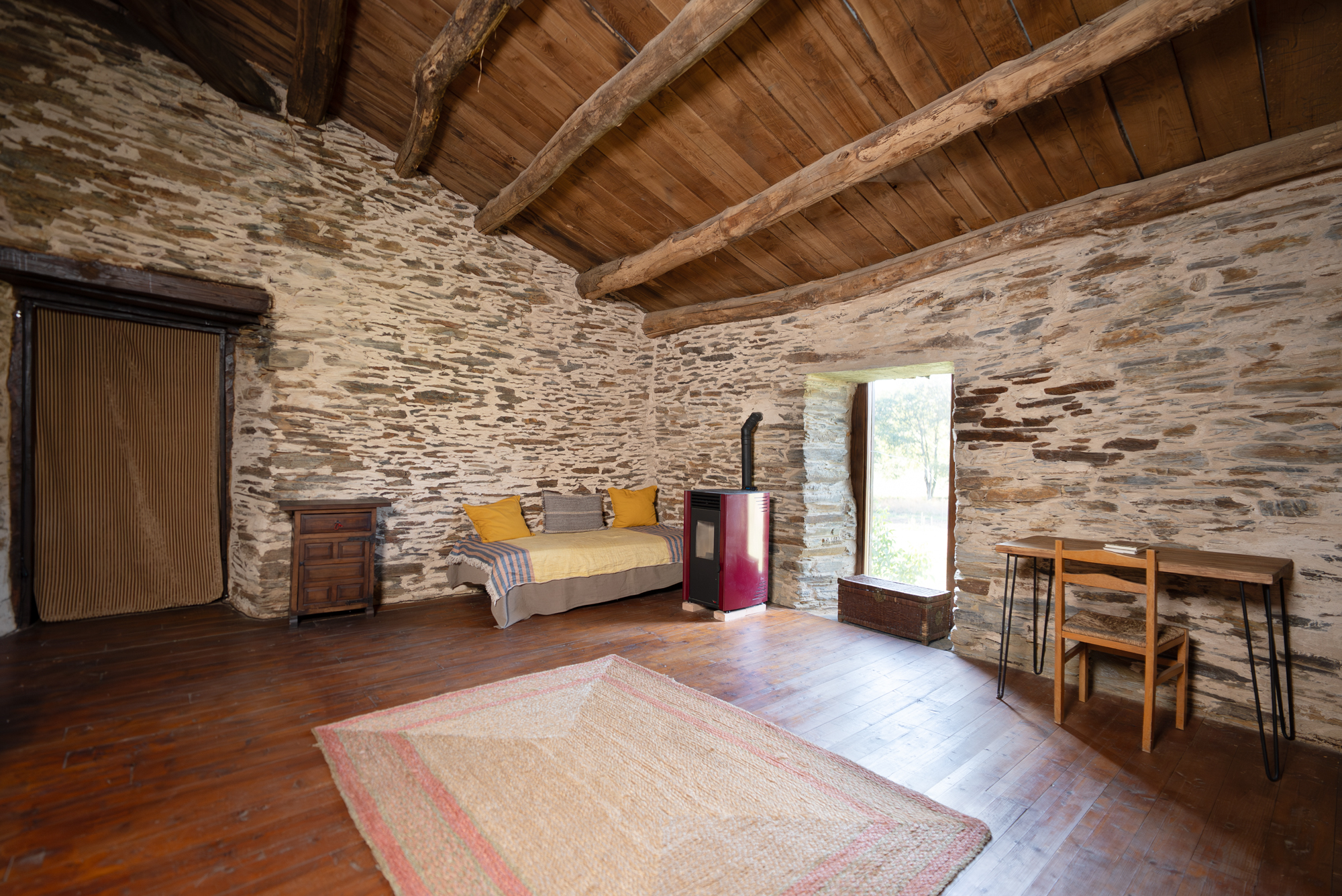
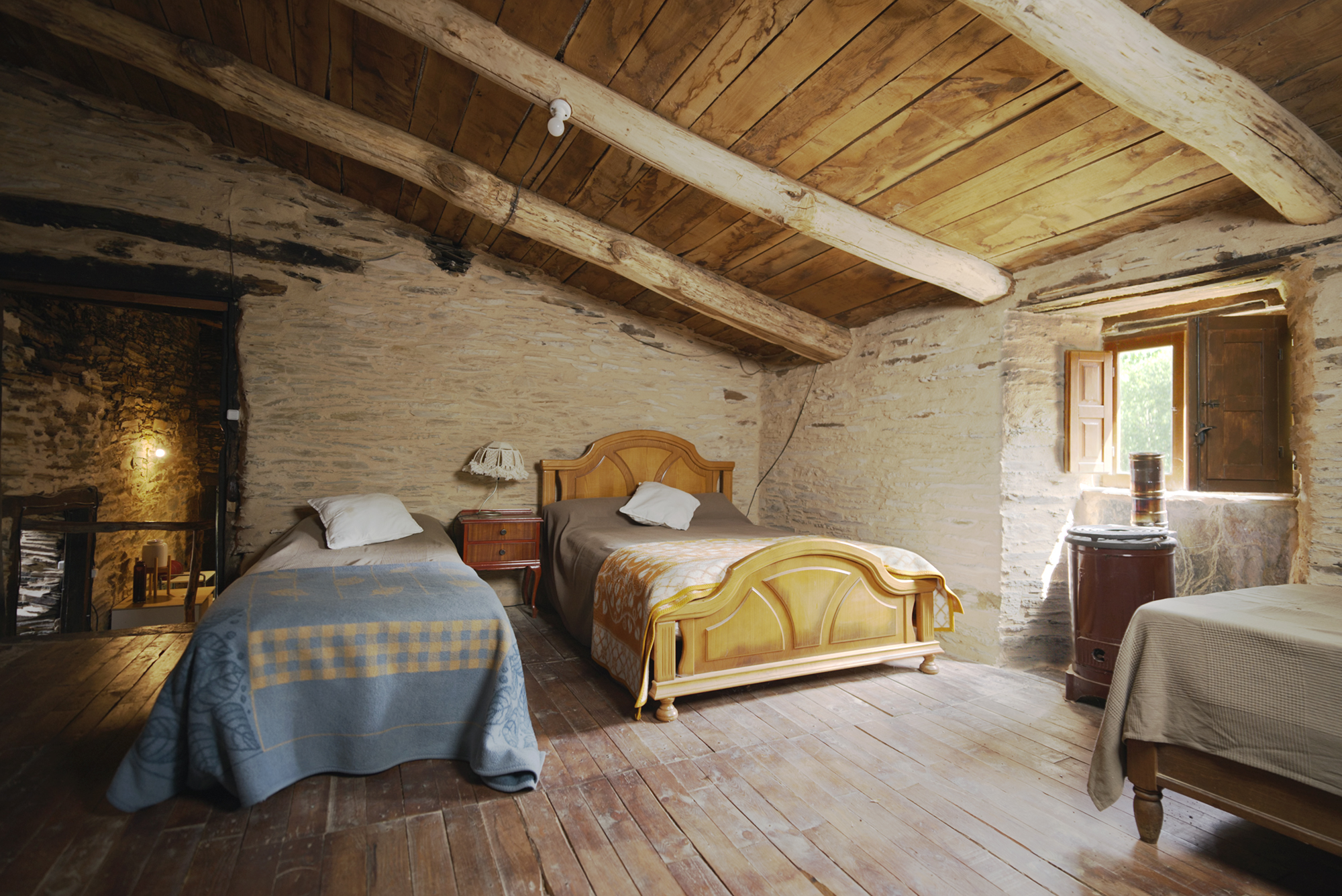
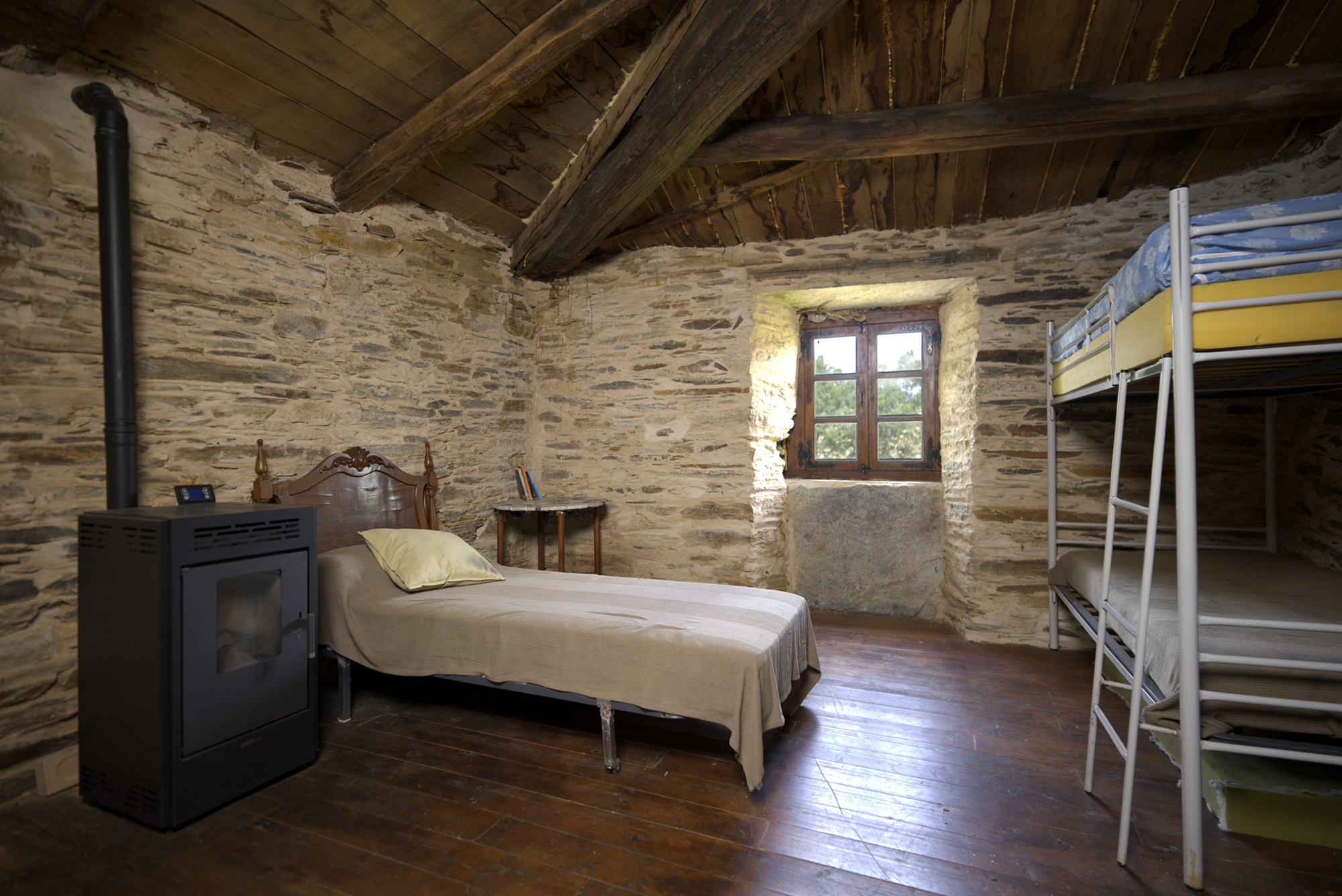
The covered courtyard also gives direct access to the upper floor, where a high-ceilinged room set up as a sitting room — with sofas, shelving and a large window — is filled with natural light. From here, the kitchen is reached: a large, bright space with traditional character, featuring a Bilbao-style range cooker, modern clean-lined cabinetry, very high ceilings and exposed stone walls. A small hallway beyond the kitchen leads on one side to a large bedroom divided into two areas with 5 beds and the bathroom area, with 2 WCs and 2 showers; on the other side, to a good-sized sitting room that connects to a bright, high-ceilinged bedroom with one bed, which in turn leads to another bedroom with two bunk beds and a single bed.
In total, the house offers capacity for more than a dozen people, with rooms of different sizes that allow both group and individual guest accommodation.
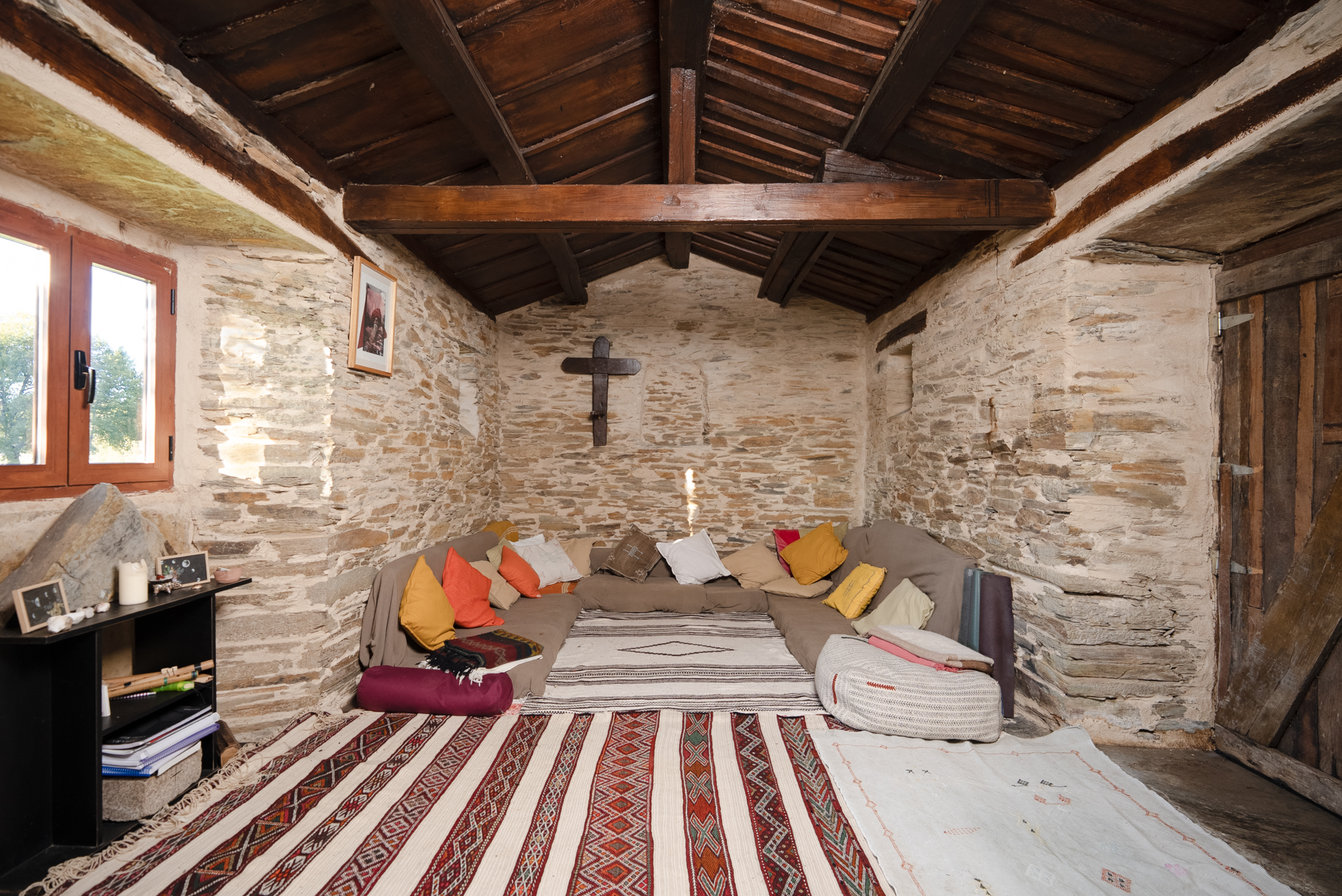
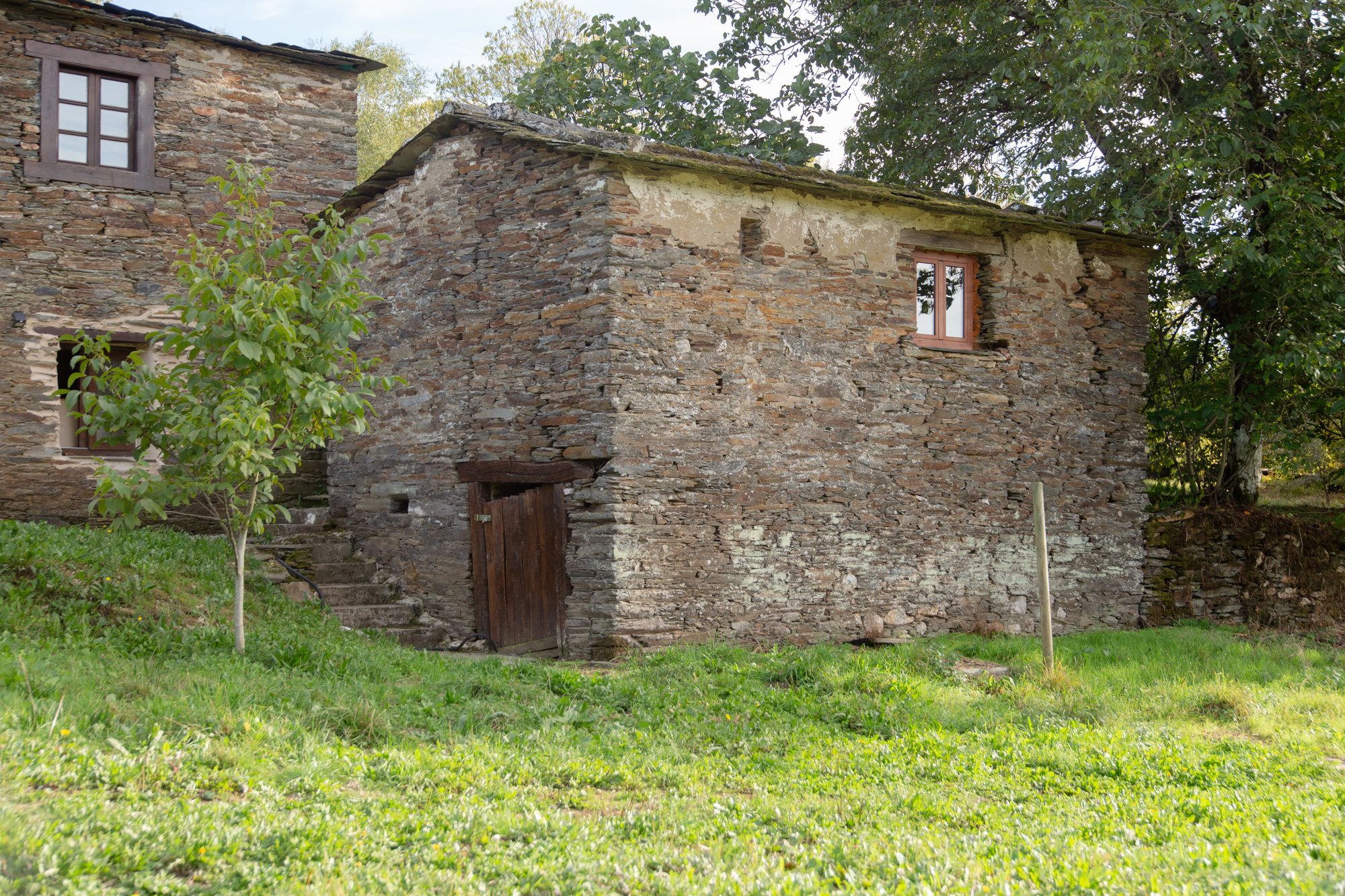
Among the buildings on the estate stands a two-storey chapel that was formerly linked to Samos monastery and is now used as a workshop. It retains its original cross and baptismal font and is a highly distinctive element for retreat projects or tourism with a spiritual or cultural component.
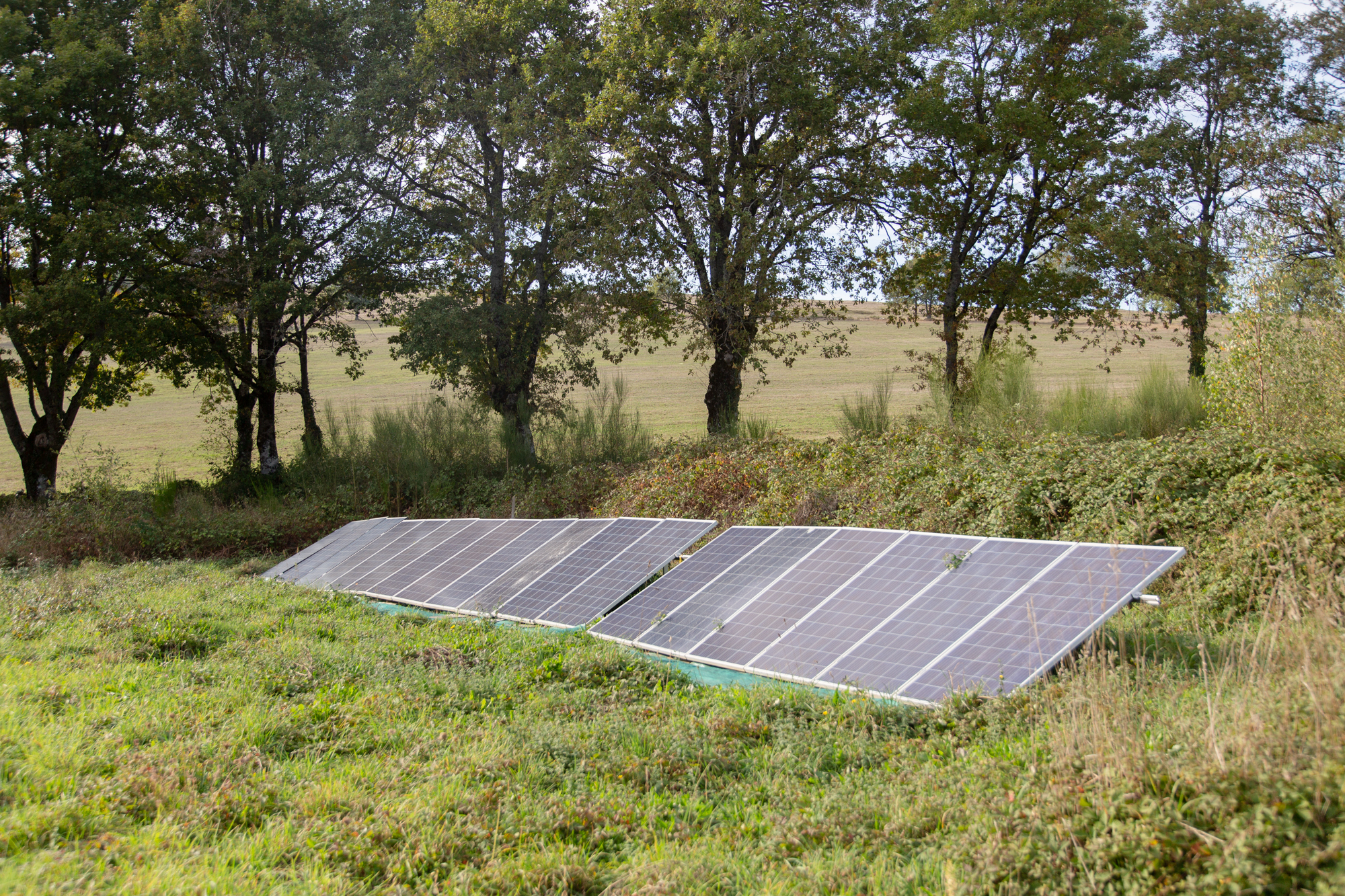
The roof of the main house was repaired around 6 years ago. The property is completely self-sufficient in both water and energy: it has two wells — a licensed borehole well with drinking water and an artesian well — a 5,000-litre tank and a septic tank, while 18 solar panels with a capacity of 5 kW, complemented by a 5 kW petrol generator, ensure the electricity supply.
The fully fenced kitchen garden, located in the northern part of the estate, has several water connections and is cultivated without chemicals, making it a valuable asset for offering organic farming experiences or supplying an on-site kitchen.
Samos is a municipality nestled among the foothills of the eastern mountains of Galicia, at an average altitude of 700 metres above sea level, dominated by the Serra do Oribio — with peaks exceeding 1,400 m — and crossed by the river Sarria. The territory borders the municipality of Folgoso do Courel, whose mountains form one of the most important botanical reserves in Galicia, and the Valle de Lóuzara, listed as a Site of Community Importance within the Natura 2000 network.
The most significant heritage feature of the area is the Mosteiro de San Xulián de Samos, founded in the 6th century and considered the oldest inhabited abbey in Spain. Declared a UNESCO World Heritage Site, the Benedictine monastery is a key stop on the Camino Francés along its variant between Triacastela and Sarria, which passes 3.5 km from the property. Its most notable features include the Claustro Grande — at 3,000 m², the largest cloister in Spain — the 16th-century Claustro das Nereidas and the Mozarabic-style Capilla do Ciprés. The surrounding area also offers hiking routes along the river Sarria and outdoor activities in the Serra do Oribio.
Sarria, 16 km away, is the starting point of the minimum stretch of the Camino de Santiago required to obtain the Compostela certificate and has all services. Lugo, 45 km away, is a city declared a UNESCO World Heritage Site for its Roman walls. Santiago de Compostela international airport is approximately 90 km away.
The combination of large accommodation capacity, energy and water self-sufficiency, an organic kitchen garden, a historic chapel and proximity to the Camino de Santiago makes this a singular opportunity to develop a rural tourism project, retreats or group accommodation in one of the most distinctive settings in inland Galicia.
The Camino de Santiago is preparing for the 2027 Xacobeo Holy Year, an exceptional event that, historically, brings a significant increase in pilgrims and visitors along the entire Way of St. James. Investing in this property now offers a unique opportunity to maximise returns on investment from the very first moment.
* Publication for information purposes only, not binding or contractual. May contain errors or be subject to change.

34.375 m²

713 m²

3

5

All orientations

Yes

Exempt

Exempt
Are you interested in this property? Ask us your questions and we will contact you as soon as possible.